Common Electrical Problems in Commercial Buildings in Wilkes-Barre and Scranton, PA
Talk to an ElectricianGet a Free EstimateUnderstanding the Warning Signs Before They Become Costly Repairs
Commercial buildings depend on reliable electrical systems to keep daily operations moving. From lighting and HVAC equipment to computers, security systems, kitchen appliances, and industrial machinery, nearly every part of a modern business relies on electricity. When something goes wrong, the effects can extend beyond a single malfunctioning outlet or flickering light. Electrical problems can interrupt operations, damage expensive equipment, create safety hazards, and lead to unexpected repair costs.
Many commercial electrical issues develop gradually. A circuit may become overloaded as a business adds equipment, an aging connection may begin generating excess heat, or an electrical panel may struggle to support the building’s current power demands. These problems are not always obvious until they start affecting normal operations.
For business owners throughout Wilkes-Barre, Scranton, and Northeastern Pennsylvania, understanding common commercial electrical problems makes it easier to recognize warning signs and know when professional attention is needed. Older commercial properties, changing building uses, and seasonal weather conditions can all influence the performance of an electrical system.
Frequently Tripping Circuit Breakers
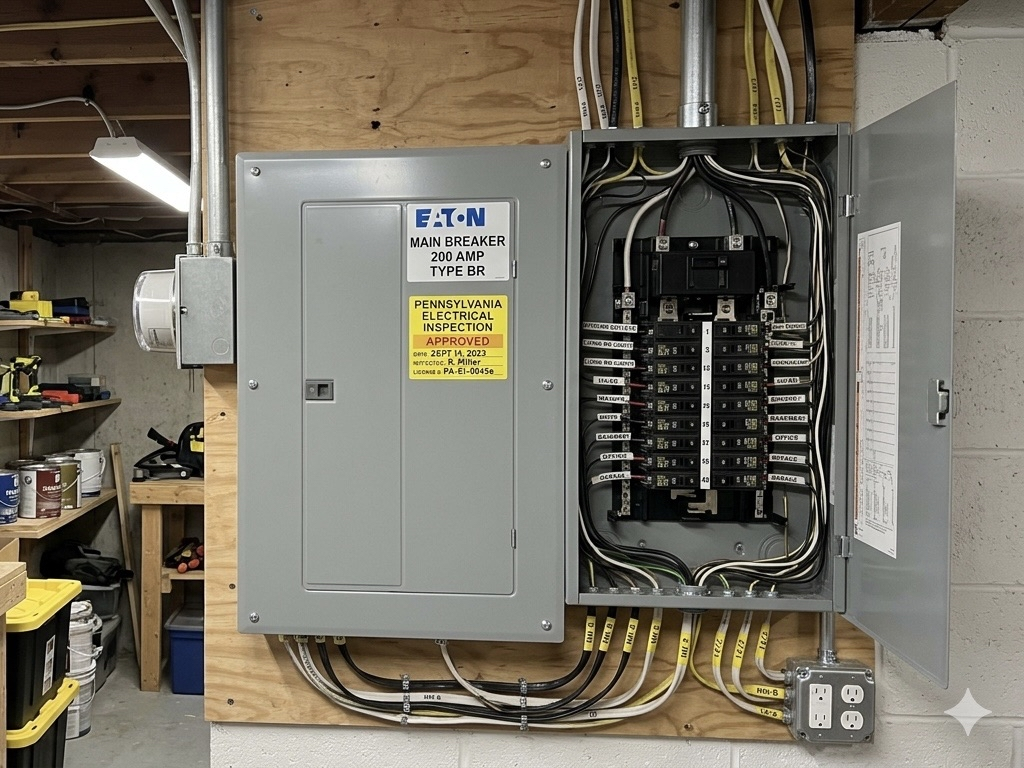
A circuit breaker is designed to protect an electrical circuit by interrupting power when it detects an overload or short circuit. In commercial buildings, breakers may trip when too much electrical demand is placed on a circuit or when an electrical fault develops.
This is particularly common in businesses that gradually add equipment without evaluating the capacity of their existing electrical infrastructure.
For example, an office may begin with a few computers and printers but eventually add additional workstations, servers, charging stations, and specialized equipment. A restaurant may install new refrigeration units or kitchen appliances that draw more current than the original electrical layout was designed to handle.
When a breaker trips repeatedly, it is important to identify the underlying cause rather than simply resetting it.
Common reasons include:
- Overloaded electrical circuits.
- Short circuits caused by damaged wiring.
- Faulty appliances or equipment.
- Deteriorating circuit breakers.
- Loose electrical connections.
- Electrical systems that no longer meet the building’s demands.
A breaker that trips occasionally under an unusual load may indicate a temporary issue. However, repeated tripping is a warning sign that deserves professional evaluation. Replacing a breaker without addressing the underlying problem will not necessarily make the circuit safe.
Flickering or Dimming Commercial Lighting
Lighting problems can affect employee productivity, customer experience, and workplace safety. Flickering or dimming lights are among the more noticeable electrical issues in commercial buildings, but the cause is not always the light fixture itself.
Sometimes the problem is relatively simple, such as a failing bulb or incompatible lighting component. In other situations, flickering may indicate a loose connection, overloaded circuit, deteriorating wiring, or an issue with the electrical supply.
One important warning sign is lighting that dims whenever large equipment starts operating.
For example, if lights throughout a commercial kitchen dim when refrigeration compressors or other heavy appliances activate, the electrical system may need further evaluation. Some brief changes can occur with motor starting, but significant or persistent dimming should not be ignored.
Commercial properties should pay attention to:
- Lights that flicker without an obvious reason.
- Multiple fixtures dimming at the same time.
- Lighting that changes when machinery starts.
- Fixtures that repeatedly burn out.
- Buzzing sounds coming from lighting equipment.
In older commercial buildings throughout the Wilkes-Barre and Scranton areas, aging wiring and outdated electrical components may contribute to recurring lighting problems.
Overloaded Electrical Circuits
Modern businesses often use considerably more electricity than commercial buildings were originally designed to accommodate.
Technology, additional appliances, upgraded HVAC systems, commercial refrigeration, and specialized machinery can all increase electrical demand. When too many devices draw power from a circuit, the circuit may become overloaded.
An overloaded circuit can cause breakers to trip, wiring to overheat, and connected equipment to operate unreliably.
It is important to distinguish between a circuit overload and a building’s overall electrical capacity. A building may have sufficient electrical service but still have individual branch circuits that are improperly distributed or overloaded.
Similarly, a building’s main electrical service may be inadequate for its total demand, even if individual circuits appear to function normally.
A qualified electrician can evaluate the electrical load, inspect the distribution system, and determine whether the building needs circuit modifications, improved load distribution, or a service upgrade.
This becomes particularly important when businesses expand, add commercial equipment, or change how their space is used.
Aging or Outdated Electrical Panels
The electrical panel is responsible for distributing power throughout a commercial building and providing circuit-level overcurrent protection.
As commercial properties age, their electrical panels may become less suitable for modern operating requirements. Some older buildings in NEPA have electrical infrastructure that was originally installed when businesses used fewer computers, smaller appliances, and less energy-intensive equipment.
Over time, renovations and equipment additions can place additional demands on the system.
Warning signs of electrical panel problems include:
- Breakers that trip frequently.
- Visible corrosion or rust.
- Burning odors near the panel.
- Unusual buzzing or crackling sounds.
- Signs of overheating or discoloration.
- Insufficient circuit space for necessary additions.
- Breakers that do not operate correctly.
A panel upgrade may be necessary when the existing equipment is damaged, obsolete, unsuitable for the building’s electrical load, or unable to support planned improvements.
However, a panel with no available breaker spaces does not automatically require a larger electrical service. An electrician needs to evaluate the actual load, equipment condition, and available capacity before recommending an upgrade.
For commercial property owners planning renovations or expanding operations, having the electrical panel evaluated early can prevent complications later in the project.
Loose Electrical Connections and Overheating
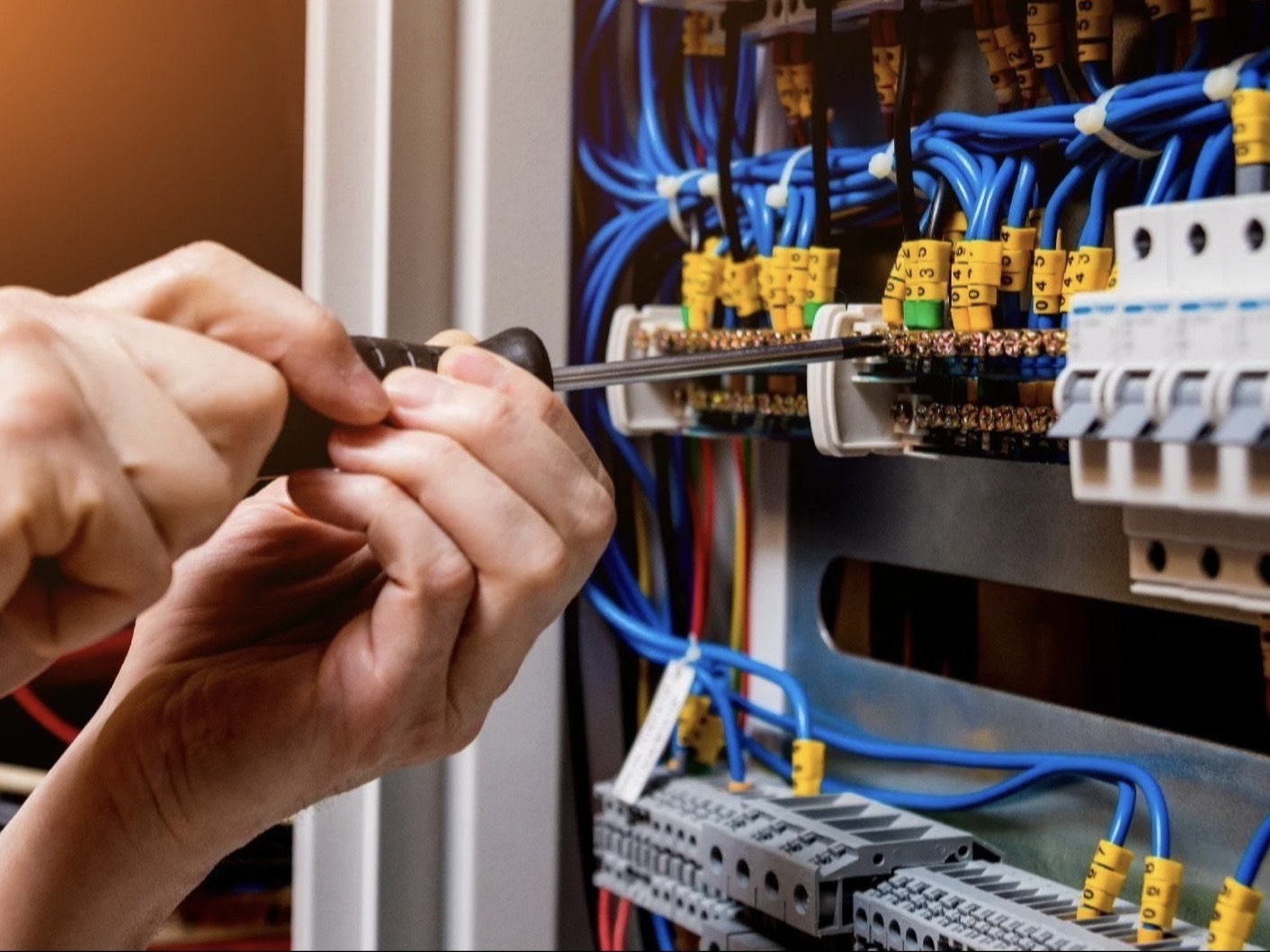
Loose electrical connections are a serious concern because they can generate heat even when the connected equipment appears to be operating normally.
When an electrical connection becomes loose, the contact between conductive surfaces may become less effective. This can increase electrical resistance and produce localized heating.
Over time, excessive heat can damage insulation, terminals, breakers, and surrounding electrical components. In severe cases, overheating connections can contribute to electrical fires.
Commercial buildings may have numerous connection points throughout their electrical infrastructure, including:
- Electrical panels and breaker terminals.
- Disconnect switches.
- Motor connections.
- Junction boxes.
- Receptacles and switches.
- Equipment control panels.
Signs of a potentially overheating connection include discoloration, melted insulation, burning odors, unusual sounds, or excessive warmth around electrical equipment.
Infrared thermography can also help identify abnormal temperature patterns in electrical equipment under appropriate operating conditions. This can be especially useful in facilities with extensive electrical distribution systems.
Loose connections should never be treated as a minor inconvenience. They require proper inspection and repair by a qualified electrician.
Faulty Outlets, Switches, and Receptacles
Commercial outlets and switches experience frequent use. In offices, restaurants, retail stores, and warehouses, employees may connect and disconnect equipment throughout the day.
Over time, receptacles can wear out, internal contacts can loosen, and electrical connections can deteriorate.
Common warning signs include:
- Plugs that do not stay securely in place.
- Outlets that stop working intermittently.
- Cracked or damaged outlet covers.
- Sparks when plugging in equipment.
- Discoloration around receptacles.
- Switches that operate inconsistently.
A worn receptacle can create a poor electrical connection, potentially leading to heat buildup and equipment problems.
Commercial buildings also need appropriate protection in areas where moisture is present. Ground-fault circuit interrupters (GFCIs) are designed to detect certain differences between outgoing and returning current and quickly interrupt power to help reduce the risk of electric shock.
They are particularly important in locations such as commercial kitchens, restrooms, utility areas, and outdoor spaces where applicable requirements call for GFCI protection.
Damaged or unreliable outlets should be evaluated rather than covered up or ignored.
Inadequate Grounding and Electrical Protection
Grounding is an essential part of electrical safety in commercial properties.
A properly designed grounding and bonding system helps provide a path for electrical fault current and supports the operation of protective devices. Without proper grounding and bonding, certain electrical faults can create dangerous conditions for people and equipment.
Problems may develop because of improper installations, damaged conductors, corrosion, unauthorized electrical modifications, or aging infrastructure.
Grounding concerns can be particularly important in older commercial buildings that have undergone multiple renovations.
Electrical protection also involves more than grounding. Depending on the building and its equipment, businesses may need appropriate overcurrent protection, GFCI protection, surge protective devices, and other safety measures.
Surge protection deserves attention in Northeastern Pennsylvania, where thunderstorms and severe weather can affect electrical service. Power surges may also originate from utility switching or equipment within the building.
A properly selected surge protective device can help limit transient overvoltages and reduce the risk of damage to sensitive electronics. It does not replace grounding, circuit protection, or appropriate electrical maintenance.
Electrical Problems Caused by Moisture and Water Intrusion
Moisture is another common concern for commercial electrical systems, particularly in buildings with basements, utility rooms, exterior equipment, or areas exposed to plumbing and roof leaks.
Water can contribute to corrosion, insulation deterioration, and electrical faults. If moisture reaches energized equipment, it can also create serious shock and fire hazards.
In NEPA, seasonal weather can make moisture-related concerns especially relevant. Heavy rain, snowmelt, ice, and roof leaks can affect older commercial buildings and their electrical infrastructure.
Areas worth monitoring include:
- Basement electrical rooms.
- Exterior outlets and lighting connections.
- Rooftop HVAC equipment connections.
- Utility spaces near plumbing systems.
- Electrical equipment located beneath roof leaks.
- Outdoor service equipment exposed to weather.
If water reaches an electrical panel, outlet, or other electrical equipment, do not touch the equipment or attempt to operate it. Keep people away and have the situation assessed by qualified professionals. If there is an immediate danger, contact emergency services.
Simply allowing wet electrical equipment to dry does not guarantee that it is safe to use again. Some components may need professional inspection, testing, repair, or replacement.
Why Commercial Electrical Problems Should Not Be Ignored
An electrical issue that seems relatively minor can have a much larger impact when it affects a commercial property.
A faulty outlet may interrupt an employee’s workstation. An overloaded circuit may repeatedly shut down important equipment. A deteriorating connection may eventually create a serious overheating hazard.
The financial consequences can also extend beyond the cost of electrical repairs.
Businesses may experience:
- Lost productivity during electrical interruptions.
- Damaged computers and commercial equipment.
- Delayed customer appointments or services.
- Spoiled refrigerated inventory.
- Unexpected emergency repair expenses.
- Increased safety risks for employees and visitors.
Addressing electrical problems early gives business owners a better opportunity to plan repairs, reduce downtime, and maintain a safer workplace.
Regular electrical maintenance is especially useful because many developing issues can be identified before they result in a complete system failure.
Keep Your Commercial Electrical System Working Reliably
Electrical problems are not always easy to recognize, especially when they develop gradually behind walls, inside electrical panels, or within equipment connections. But knowing the warning signs can help business owners address concerns before they interrupt operations or create unnecessary safety risks.
For commercial properties throughout Wilkes-Barre, Scranton, and Northeastern Pennsylvania, maintaining reliable electrical infrastructure is an important part of protecting the building, its equipment, and the people who depend on it.
Catman Electrical Contracting has served the NEPA community for over 50 years, providing dependable electrical work backed by experience and straightforward communication. From troubleshooting recurring electrical problems to evaluating panels, repairing wiring, and supporting commercial electrical upgrades, the right attention can make a meaningful difference in a building’s long-term reliability.
Noticing electrical problems in your commercial property? Contact Catman Electrical Contracting to discuss your electrical concerns and get the professional attention your building needs.