
Small Problems Can Become Big Closing Delays
Selling a home involves more than fresh paint, clean landscaping, and attractive listing photos. Behind the scenes, buyers, home inspectors, lenders, and insurance companies all pay close attention to the home’s electrical system. Even relatively minor electrical concerns can slow negotiations, trigger repair requests, or cause financing complications before closing day.
In Northeastern Pennsylvania, many homes around Wilkes-Barre, Scranton, and surrounding communities were built decades ago. While these properties often have tremendous character, their electrical systems may not have kept pace with modern safety standards or today’s household power demands.
Understanding which electrical issues commonly delay a home sale allows sellers to address concerns proactively instead of scrambling after an inspection report arrives.
.
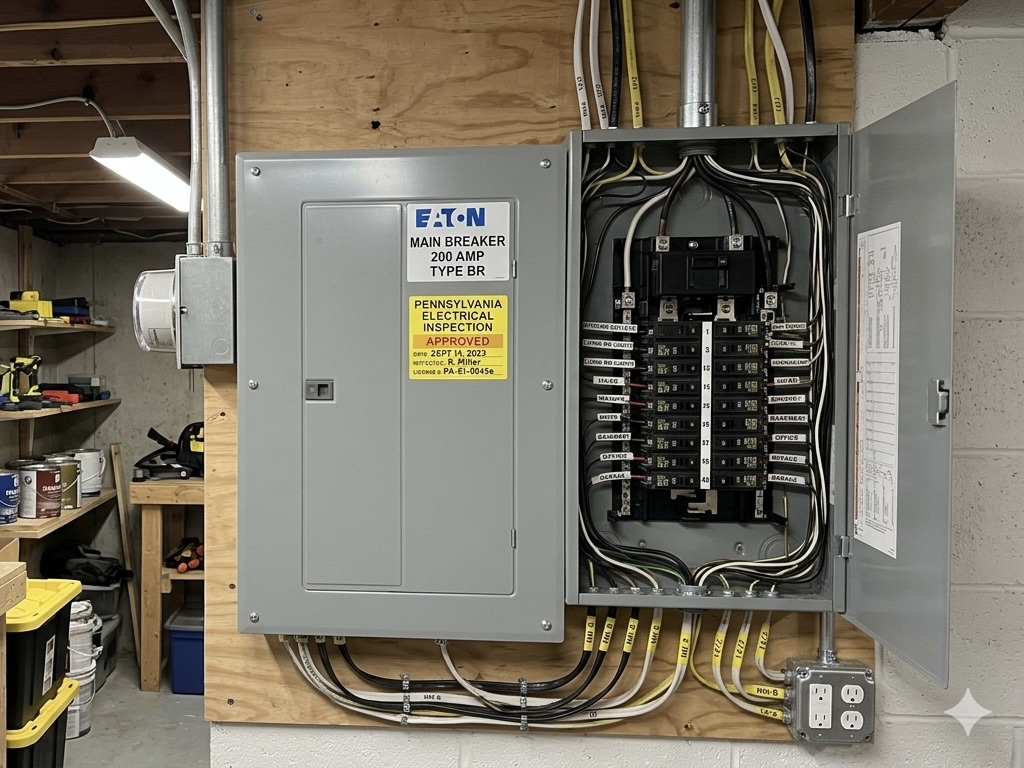
Home Inspections Often Bring Electrical Problems to Light
Most buyers hire a professional home inspector before completing a purchase. Although inspectors generally perform visual, non-invasive evaluations, they frequently identify electrical concerns that deserve further investigation by a licensed electrician.
Some findings may simply require documentation or minor repairs. Others can lead buyers to renegotiate the purchase price, request repairs before closing, or even walk away from the transaction if the problems appear extensive.
Common inspection findings include:
- Improperly wired outlets
- Missing GFCI protection
- Double-tapped breakers
- Open electrical junction boxes
- Outdated electrical panels
- Damaged wiring
- Loose outlets or switches
- Missing grounding
- Evidence of overheating
Many of these issues develop gradually over years of renovations, DIY projects, or aging electrical components.
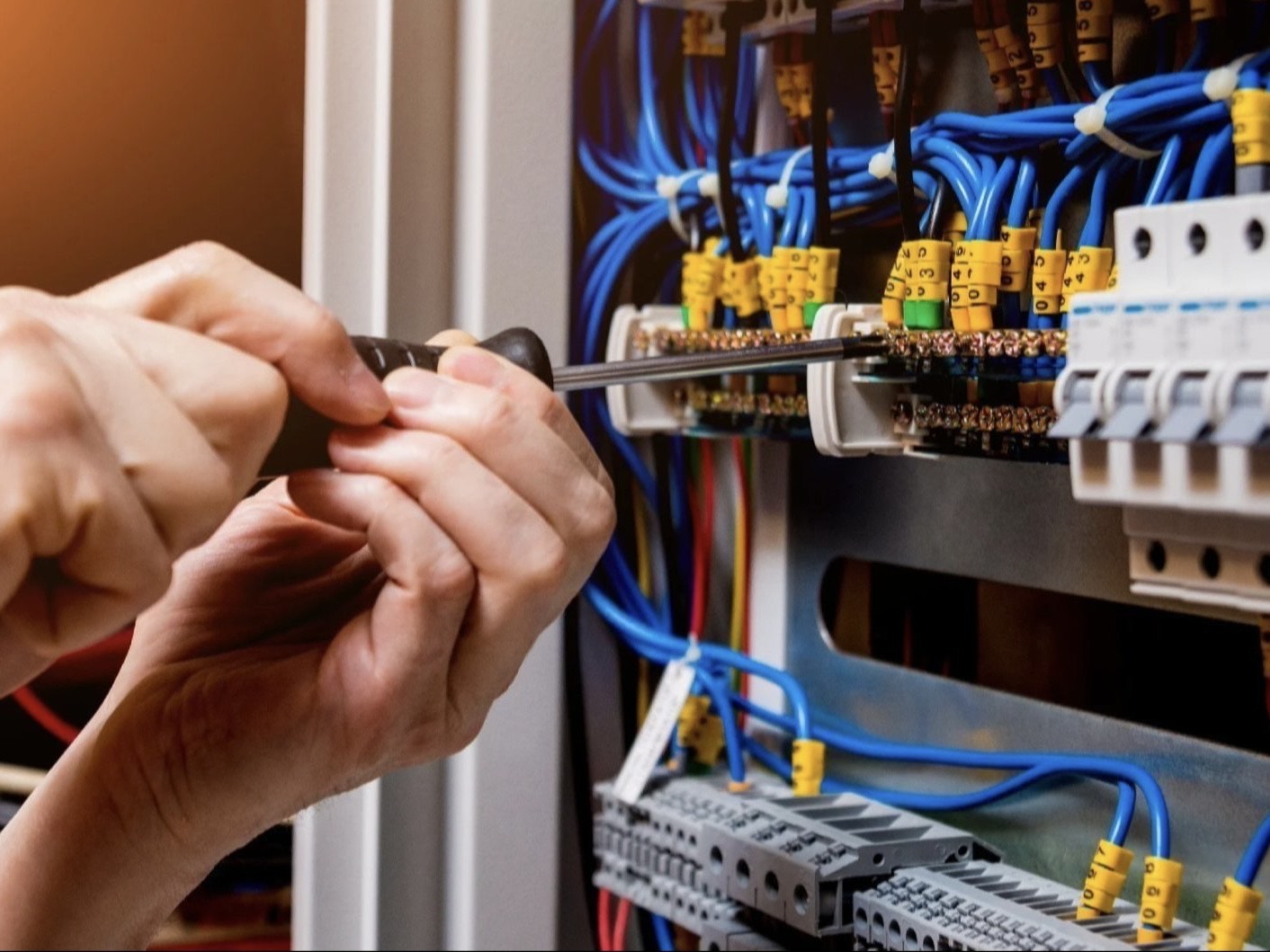
Older Electrical Panels Can Raise Immediate Questions
One of the first things inspectors examine is the home’s electrical service panel.
Older panels are not automatically unsafe, but some no longer meet the needs of modern households. Homes that originally operated with far fewer appliances may now support multiple televisions, computers, HVAC equipment, kitchen appliances, EV chargers, and home offices.
Signs an electrical panel may concern buyers include:
|
Electrical Panel Concern |
Why It Matters |
|
Limited breaker space |
Difficult to add future circuits |
|
Signs of rust or moisture |
May indicate water intrusion |
|
Overheated breakers |
Potential safety hazard |
|
Double-tapped breakers |
Improper installation that needs correction |
|
Frequent tripped breakers |
Suggests overloaded circuits |
A panel that functions properly and has been professionally maintained gives buyers greater confidence in the home’s electrical infrastructure.
Outdated Wiring Can Create Financing and Insurance Challenges
Older homes throughout NEPA sometimes contain electrical wiring methods that were common when the house was built but may no longer meet current expectations.
Examples include:
- Knob-and-tube wiring
- Older aluminum branch wiring
- Cloth-insulated wiring showing age
- Improperly modified wiring from past renovations
Not every older wiring system requires immediate replacement. However, lenders and insurance carriers sometimes require additional evaluations depending on the home’s age and condition.
Buyers may also hesitate if they believe future electrical upgrades will become a major expense shortly after moving in.
Improper DIY Electrical Work Can Create Buyer Hesitation
Homeowners often tackle projects themselves, but electrical work requires technical knowledge and adherence to code requirements.
Inspectors commonly discover:
- Exposed wire splices
- Incorrect wire sizes
- Uncovered junction boxes
- Improper outlet installation
- Loose wiring connections
- Extension cords used as permanent wiring
- Overfilled electrical boxes
Even if these issues have not caused immediate problems, buyers often worry about what hidden electrical work may exist behind finished walls.
Professional repairs provide reassurance that the home’s electrical system has been evaluated correctly.
Insufficient Grounding Still Appears in Older Homes
Grounding provides a safe path for fault current and plays an important role in protecting both people and electrical equipment.
Some older homes may have:
- Ungrounded two-prong outlets
- Improper grounding connections
- Missing bonding at service equipment
- Older wiring lacking equipment grounding conductors
While older systems were often installed according to the standards of their time, buyers today typically expect grounding that supports modern electronics and safety devices.
Smoke Detectors Matter More Than Many Sellers Realize
Smoke alarms are among the simplest safety features to update before listing a home.
Depending on local requirements and the home’s age, buyers or inspectors may expect:
- Working smoke alarms
- Carbon monoxide detectors
- Proper placement throughout the home
- Interconnected alarms in newer installations
Replacing outdated detectors is generally inexpensive compared to the delays they may create during negotiations.
Electrical Capacity Is Becoming More Important to Buyers
Today’s homeowners use significantly more electricity than previous generations.
Modern buyers often ask whether a home can support:
- Home offices
- Electric vehicle chargers
- Heat pumps
- Smart home technology
- High-powered kitchen appliances
- Finished basements
- Workshop equipment
A home with sufficient electrical capacity is often viewed as more move-in ready, reducing concerns about immediate upgrade costs.

Small Repairs Often Prevent Bigger Delays
Many electrical issues that delay home sales are neither dramatic nor expensive. Instead, they involve accumulated maintenance items that have simply gone unnoticed over time.
Addressing concerns before listing a property can help reduce inspection surprises, strengthen buyer confidence, and keep negotiations focused on the home’s value rather than deferred maintenance.
For homeowners throughout the Wilkes-Barre, Scranton, and greater NEPA region, ensuring the electrical system is safe, functional, and properly maintained can make the selling process smoother from the initial showing through the final closing.
Whether the home is decades old or more recently built, a well-maintained electrical system sends a clear message to prospective buyers: the property has been cared for with attention to both safety and long-term reliability.