
Electrical Outlets Not Working? Common Causes and Fixes
Considering upgrading your panel? Lets explore the positive aspects of a panel upgrade Talk to an ElectricianGet a Free EstimateWhen an electrical outlet suddenly stops working, it can be frustrating — especially if it powers important appliances or devices. Before assuming the worst, there are several common (and often simple) reasons why an outlet may fail. Here’s a breakdown of what could be happening and what you can do about it.
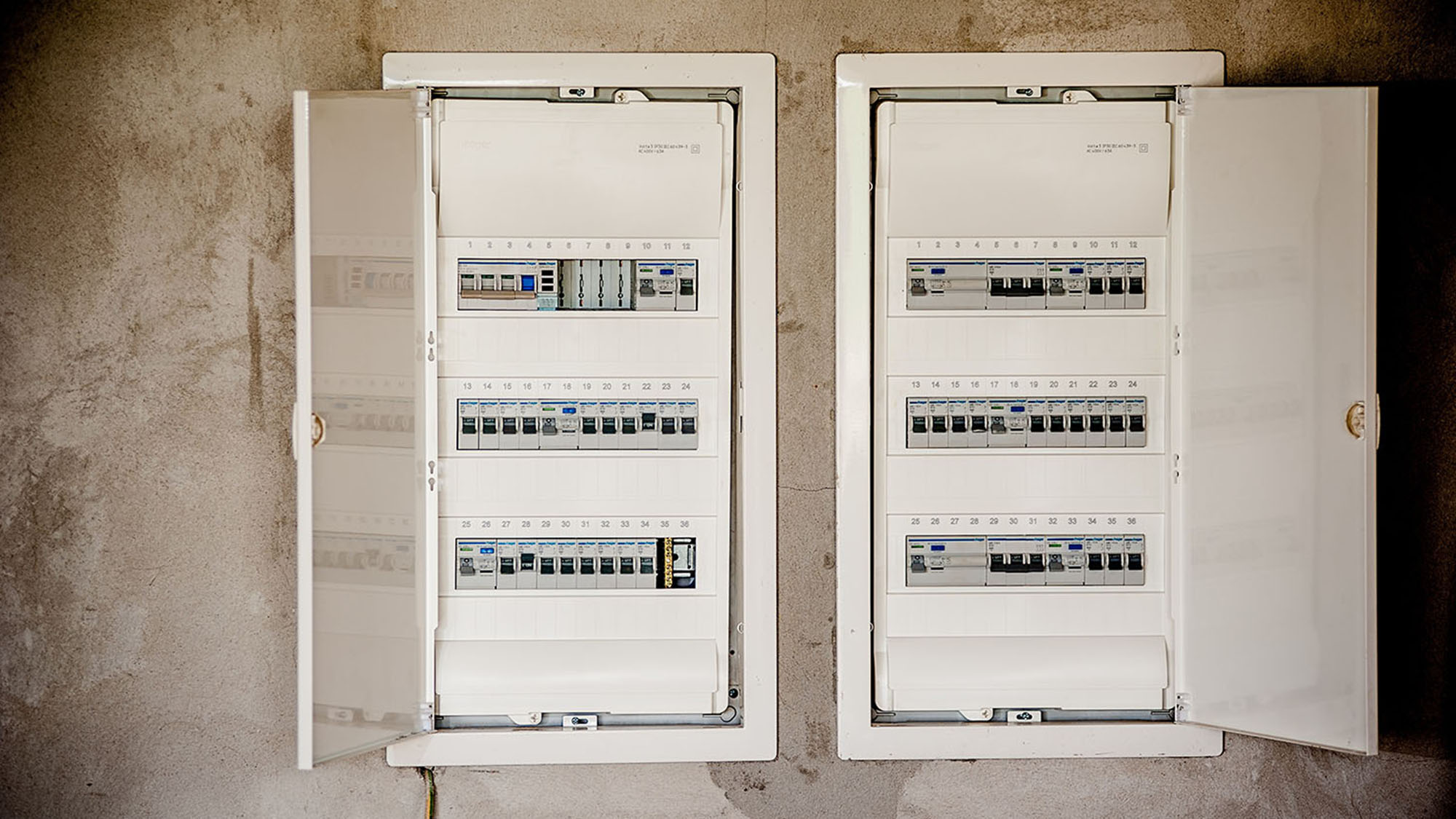
A Tripped Circuit Breaker
One of the most common causes of a dead outlet is a tripped breaker inside your electrical panel. When too many devices are running on the same circuit, the breaker automatically shuts off power to prevent overheating and potential fire hazards. To check this, open your electrical panel and look for a breaker that is sitting in the middle position or flipped off. Reset it by turning it fully off and then back on. If the breaker trips again immediately after resetting, that usually indicates a deeper wiring issue that should be inspected by a professional electrician.
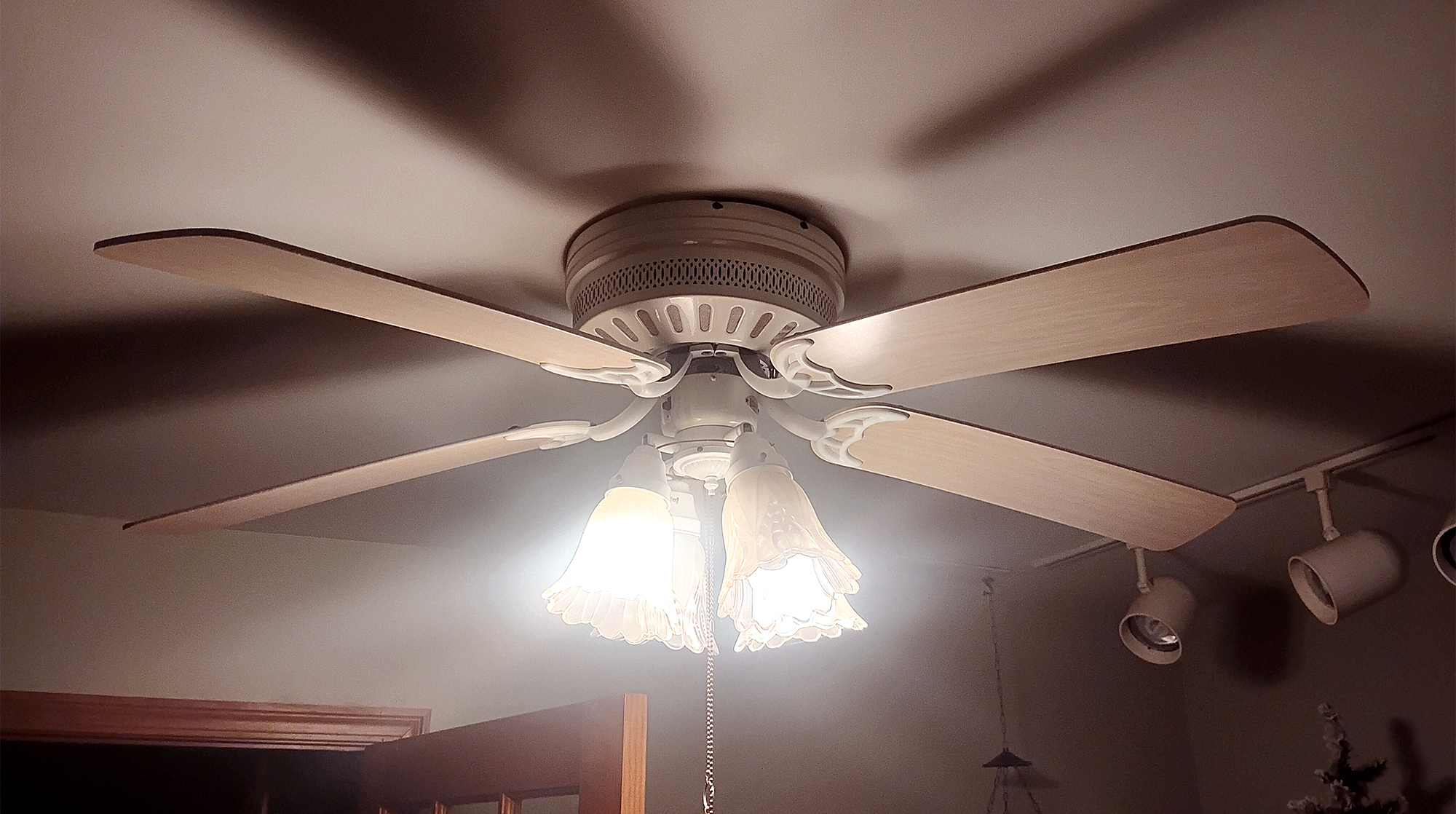
A Tripped GFCI Outlet
If the outlet is located in a kitchen, bathroom, garage, basement, or outdoors, it may be protected by a GFCI (Ground Fault Circuit Interrupter). These outlets are designed to shut off power when they detect moisture or an imbalance in electrical current. Even if the outlet that stopped working does not have visible buttons, it may be connected to another GFCI outlet nearby. Check surrounding areas for an outlet with “TEST” and “RESET” buttons and press the reset button firmly. Often, one GFCI outlet controls several others downstream on the same circuit.
Loose or Damaged Wiring
Over time, wiring connections behind outlets can loosen due to regular use, temperature changes, or aging materials. Loose wiring can create arcing, which is a serious fire hazard. Warning signs include flickering power, burn marks on the outlet cover, or a faint buzzing sound. This type of issue is generally not recommended as a DIY repair unless you have electrical experience. If you suspect loose or damaged wiring, turn off power at the breaker immediately and contact a licensed electrician.

A Burned-Out Outlet
Outlets themselves can wear out, especially if they’ve been heavily used for years. If plugs no longer fit snugly and fall out easily, or if the outlet feels warm to the touch, shows discoloration, or has cracks in the faceplate, it may simply need replacement. Sometimes power may cut in and out intermittently before the outlet fails completely. While replacing an outlet is relatively affordable, it must be installed correctly to meet electrical code and ensure safe operation.
A Half-Hot (Switched) Outlet
In some homes — particularly older ones — only half of an outlet may be controlled by a wall switch. This setup is often used for lamps in living rooms or bedrooms. If one half of the outlet works and the other does not, try flipping nearby light switches before assuming there is a problem. In many cases, the outlet is functioning exactly as designed.

Blown Fuse in Older Homes
If your home uses a fuse box instead of a modern breaker panel, a blown fuse may be the cause of the issue. A blown fuse will interrupt the circuit and must be replaced with one that matches the correct amperage rating. Using the wrong size fuse can create a safety hazard, so it’s important to ensure proper replacement.

An Overloaded Circuit
High-wattage appliances such as space heaters, microwaves, and hair dryers can easily overload a circuit when used together. When this happens, the circuit will shut down to prevent overheating. To reduce the risk of overload, avoid using heavy appliances on power strips, spread larger electrical loads across different circuits in the home, and consider installing dedicated circuits for major appliances if needed.
When to Call an Electrician
You should contact a professional if breakers trip repeatedly, you smell something burning, outlets feel hot, you see sparks, multiple outlets stop working at once, or your home has outdated wiring. Electrical issues can escalate quickly, and safety should always be the top priority.