
Old Homes, Modern Electrical Demands
Northeastern Pennsylvania has no shortage of older homes with character.
From century-old houses in Scranton neighborhoods to mid-century homes throughout Wilkes-Barre and the surrounding NEPA region, many properties here were built long before modern electrical usage became the norm. Original hardwood floors, plaster walls, stone foundations, and older framing all add charm — but behind those walls, the electrical systems often tell a different story.
The challenge is not simply age.
It’s the fact that many older homes are now expected to power lifestyles their electrical systems were never designed to support. Air fryers, EV chargers, home offices, mini-split systems, gaming setups, smart devices, and high-efficiency appliances all place far greater demand on residential wiring than homeowners in the 1950s or 1970s could have anticipated.
As a result, certain electrical issues appear again and again in older NEPA homes.
Some are inconvenient. Some are serious safety concerns. Most start subtly.
Outdated Electrical Panels Still Exist Throughout NEPA
One of the most common issues in older homes is insufficient electrical service capacity.
Many homes built decades ago still operate with:
- 60-amp service
- Early 100-amp panels
- Fuse boxes
- Crowded breaker panels
- Limited space for additional circuits
That does not automatically mean the home is unsafe. But it often means the system is operating closer to its limits than homeowners realize.
Modern households use dramatically more electricity than older systems were designed to handle. When homeowners begin adding:
- Central air
- Electric heat supplements
- EV chargers
- Hot tubs
- Home office equipment
- Modern kitchen appliances
…the strain on aging panels becomes much more noticeable.
In some cases, homeowners experience frequent breaker trips. In others, the warning signs are quieter — dimming lights, warm breakers, buzzing panels, or overloaded circuits that never quite fail but constantly operate under stress.
Ungrounded Outlets Still Show Up in Older Homes
Two-prong outlets are still surprisingly common in older Northeastern Pennsylvania homes.
These outlets lack a grounding path, which plays an important role in modern electrical safety. Grounding helps direct fault current safely away from appliances and electronics during electrical problems.
Without proper grounding:
- Sensitive electronics become more vulnerable
- Surge protection becomes less effective
- Shock risks can increase under certain fault conditions
Sometimes homeowners discover three-prong outlets that appear modern but are not actually grounded correctly behind the wall.
That situation is more common than many people expect, especially in homes that have seen piecemeal electrical updates over several decades.
Flickering Lights Aren’t Always “Normal”
In older neighborhoods, people sometimes treat flickering lights as part of living in an older house.
But persistent flickering deserves attention.
Lights that dim when appliances start up may indicate:
- Loose electrical connections
- Overloaded circuits
- Voltage fluctuations
- Aging panel issues
- Service capacity limitations
Occasional flickering during severe storms is one thing. But recurring indoor dimming during everyday appliance use can signal underlying electrical stress.
And because loose connections create heat, flickering is not just an annoyance issue — it can become a safety concern over time.
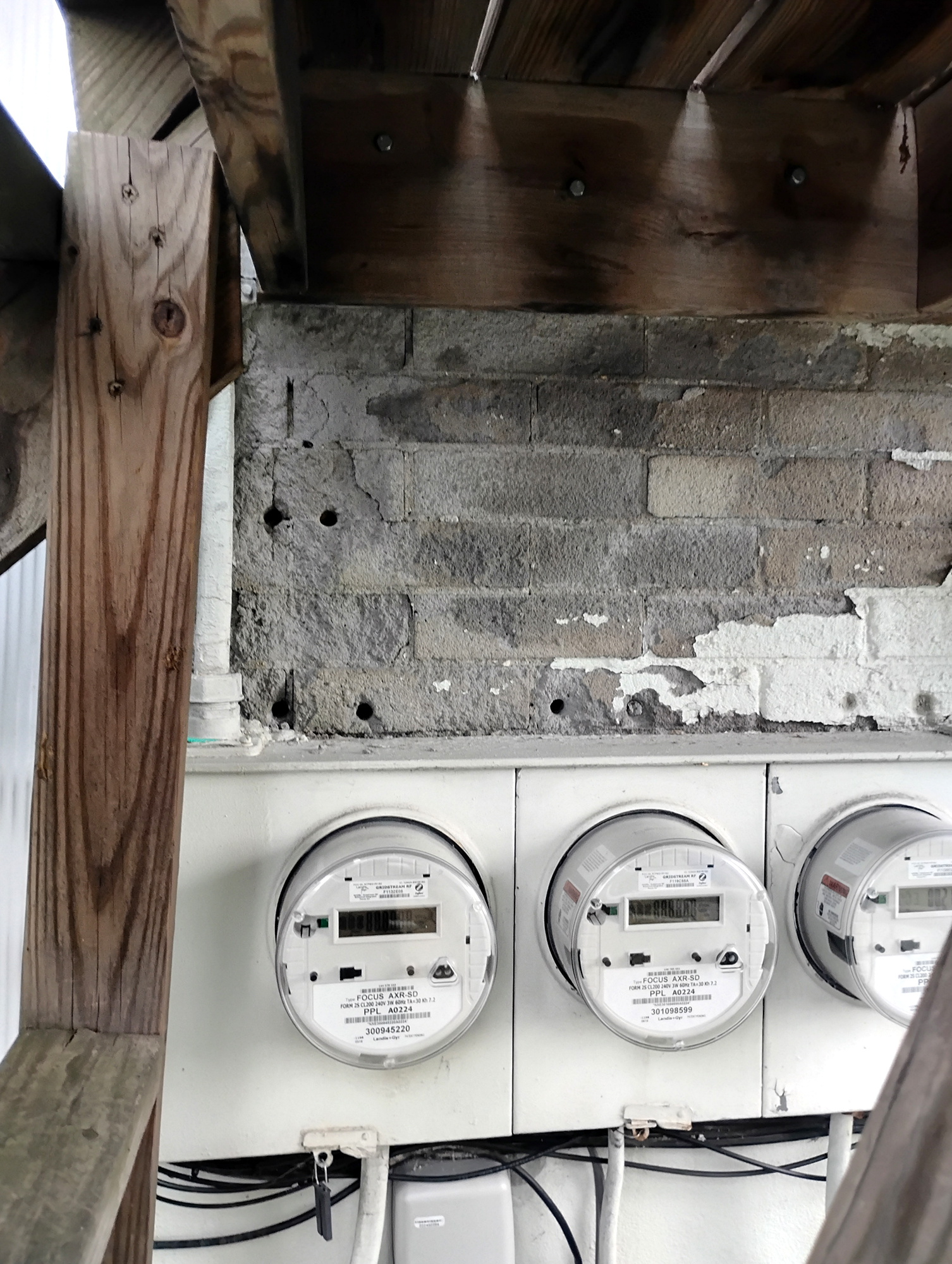
Aluminum Wiring in Certain Older Homes
Some homes built or renovated during the late 1960s and early 1970s may contain aluminum branch wiring.
Aluminum wiring itself is not automatically dangerous. The concern comes from how aluminum expands and contracts differently from copper over time.
That movement can lead to:
- Loose connections
- Oxidation
- Increased resistance
- Heat buildup at terminals and outlets
When improperly maintained or connected with incompatible devices, aluminum wiring systems can develop overheating issues.
This is one reason electrical inspections become especially important in older homes where renovation histories are unclear.
Aging Outlets and Switches Wear Out
Electrical devices are mechanical components. They do not last forever.
Over decades of use, outlets and switches experience wear from:
- Plug insertion cycles
- Heat exposure
- Connection loosening
- Internal component degradation
Homeowners may notice:
- Loose plugs falling from outlets
- Warm wall plates
- Crackling sounds
- Intermittent power loss
- Discoloration around receptacles
These are often early indicators that devices are deteriorating internally.
In older homes, heavily used kitchen and living room outlets tend to show wear first simply because of constant demand.
Renovations Often Reveal Hidden Problems
One reason aluminum wiring issues suddenly surface is that modern electrical demands are very different from what homes were designed for in the 1970s.
Today’s homes may include:
- Large entertainment systems
- Multiple refrigerators or freezers
- Home office equipment
- EV chargers
- Smart home devices
- Mini-split systems
- High-capacity kitchen appliances
Opening walls during remodeling often exposes old splices, overloaded circuits, or mixed wiring methods that have gone untouched for decades.
In many NEPA homes, especially those with finished basements or additions added over time, electrical systems evolved piece by piece rather than through a full coordinated upgrade.
Hidden Junction Boxes and DIY Electrical Work
Many older homes have lived through multiple generations of repairs, additions, and renovations.
Over time, that sometimes creates electrical systems that resemble a patchwork of different eras.
It’s not uncommon to encounter:
- Hidden junction boxes
- Unlabeled circuits
- Improper wire splices
- Mixed wiring methods
- DIY additions from past decades
Finished basements, enclosed porches, attic conversions, and garage additions are especially common areas for older electrical modifications.
Sometimes these changes were done professionally. Sometimes they were not.
The challenge is that unsafe electrical work often stays hidden until symptoms begin appearing years later.
Burnt or Warm Outlets Should Never Be Ignored
One of the more serious warning signs in older homes is outlet overheating.
A warm outlet, burning smell, buzzing sound, or visible discoloration can indicate:
- Loose wiring connections
- Overloaded circuits
- Failing receptacles
- Arcing electricity
- Damaged conductors behind walls
Electrical heat problems tend to worsen gradually.
That’s why homeowners sometimes normalize them:
- “That outlet always gets warm.”
- “That breaker has always been touchy.”
- “You just can’t run both appliances together.”
But electrically, those are signs the system may need evaluation.
Older Homes Often Lack Modern Safety Protection
Modern electrical systems include protective technologies that many older homes were never originally built with.
GFCI Protection
Ground Fault Circuit Interrupters help reduce shock risks in areas where moisture is present, including:
- Kitchens
- Bathrooms
- Garages
- Basements
- Outdoor outlets
Many older homes either lack GFCI protection entirely or only have partial updates.
Knob-and-Tube Wiring Still Exists in Some Areas
Certain older homes throughout the Scranton and Wilkes-Barre area may still contain remnants of knob-and-tube wiring systems.
Knob-and-tube wiring was common in homes built in the early 20th century and was considered standard for its time. Problems typically arise when:
- The system has been improperly modified
- Insulation around the wiring deteriorates
- Modern electrical demand exceeds original design expectations
- Portions of old and new wiring become improperly interconnected
Not every older home with knob-and-tube requires full immediate replacement. But these systems do deserve careful evaluation when still active.
Common Warning Signs Homeowners Should Watch For
|
Warning Sign |
Possible Electrical Concern |
|
Frequent breaker trips |
Overloaded circuits or panel issues |
|
Flickering lights |
Loose connections or voltage problems |
|
Warm outlets or switches |
Overheating wiring or poor connections |
|
Burning smells |
Electrical arcing or insulation damage |
|
Buzzing sounds |
Loose electrical components |
|
Reliance on extension cords |
Insufficient outlet or circuit capacity |
Older Homes Can Still Be Exceptionally Safe
Age alone does not make a home unsafe.
Many older homes throughout Northeastern Pennsylvania remain structurally and electrically solid because they’ve been properly maintained and thoughtfully updated over time.
The key is recognizing when electrical infrastructure no longer matches modern usage demands.
Often, the biggest risks come not from original construction, but from decades of gradual electrical strain layered onto systems that were never intended for today’s power consumption.
That’s why small warning signs matter.
A flickering light. A breaker that trips repeatedly. A warm outlet. A buzzing switch.
These issues may seem minor individually, but together they often tell the story of a system asking for attention.
And in homes that have stood strong through generations of Pennsylvania winters, keeping the electrical system modern, balanced, and safe is one of the most important ways to protect the home for the next generation too.