Electrician in Wilkes-Barre, PA: Common Electrical Problems in Local Homes
Talk to an ElectricianGet a Free EstimateKnow the Warning Signs
Electrical problems in a home do not always begin with a dramatic power outage or a visible spark. Sometimes, the first sign is a light that flickers when an appliance turns on, an outlet that feels unusually warm, or a circuit breaker that keeps tripping for no obvious reason.
For homeowners looking for an electrician in Wilkes-Barre, PA, understanding these warning signs can help prevent minor electrical issues from becoming serious safety hazards. Many homes throughout Wilkes-Barre and the surrounding Northeastern Pennsylvania region have older electrical systems that may need repairs, updates, or a closer inspection as household power demands increase.
From aging wiring in established neighborhoods to overloaded circuits in homes with modern appliances, electrical problems can develop for several reasons. Knowing what to watch for, what might be causing it, and when to call a licensed electrical professional helps you make informed decisions about your home’s safety.
Why Electrical Problems Are Common in Wilkes-Barre Homes
Wilkes-Barre has a mix of older homes, renovated properties, and newer construction. That variety means electrical systems can differ considerably from one property to another.
Some older homes still have electrical components installed decades ago. Others have been renovated over the years, adding new lighting, kitchen appliances, air conditioning, and electronics without fully upgrading the original electrical system.
A home may look modern on the inside while still relying on an electrical panel or wiring system that was designed for a much smaller power demand.
Northeastern Pennsylvania’s changing seasons can also influence household electrical use. During winter, space heaters and other heating equipment may place additional demand on circuits. Summer brings increased air-conditioning use, while storms can contribute to power interruptions and electrical surges.
Common contributing factors include:
- Aging wiring and electrical components: Insulation, connections, outlets, and other components can deteriorate over time.
- Increased electrical demand: Modern appliances, computers, entertainment systems, and electric vehicle chargers require careful consideration of circuit capacity.
- Previous DIY repairs: Improper connections or incorrectly installed devices can create hidden safety concerns.
- Renovations and additions: New rooms, finished basements, and kitchen upgrades can increase the need for properly designed electrical circuits.
- Moisture and environmental exposure: Damp basements, leaks, and outdoor weather exposure can damage electrical components.
The important thing to remember is that a home’s age alone does not determine whether its electrical system is safe. The condition of the wiring, the quality of previous work, and the system’s ability to meet current demands all matter.
Flickering or Dimming Lights
Flickering lights are one of the most common electrical complaints homeowners experience. A light may briefly dim when an air conditioner starts, flicker throughout the evening, or behave differently from other lights in the house.
Sometimes, the cause is relatively simple, such as a loose bulb or an incompatible LED dimmer. However, persistent flickering can also indicate a loose electrical connection, a circuit under excessive demand, or a problem with the electrical supply.
Pay attention to when the flickering happens.
If one light flickers while the rest of the home operates normally, the issue may be isolated to that fixture, its switch, or its wiring. If lights throughout the home dim or brighten unexpectedly, especially when appliances turn on, the problem may involve the electrical panel, service connections, or another part of the supply system.
Why it matters: Loose electrical connections can generate heat and increase the risk of electrical arcing. Widespread or sudden changes in brightness should not automatically be dismissed as a minor inconvenience.
If lights repeatedly flicker, avoid removing electrical fixtures or opening wiring connections yourself. An electrician can inspect the affected circuit and determine whether the problem comes from the fixture, the wiring, or the electrical supply.
If lights suddenly become unusually bright or dim across multiple rooms, turn off sensitive electronics if it is safe to do so and contact an electrician or your utility provider promptly. These symptoms can indicate a potentially dangerous supply connection problem.
Electrical Panels That Cannot Keep Up With Modern Demand
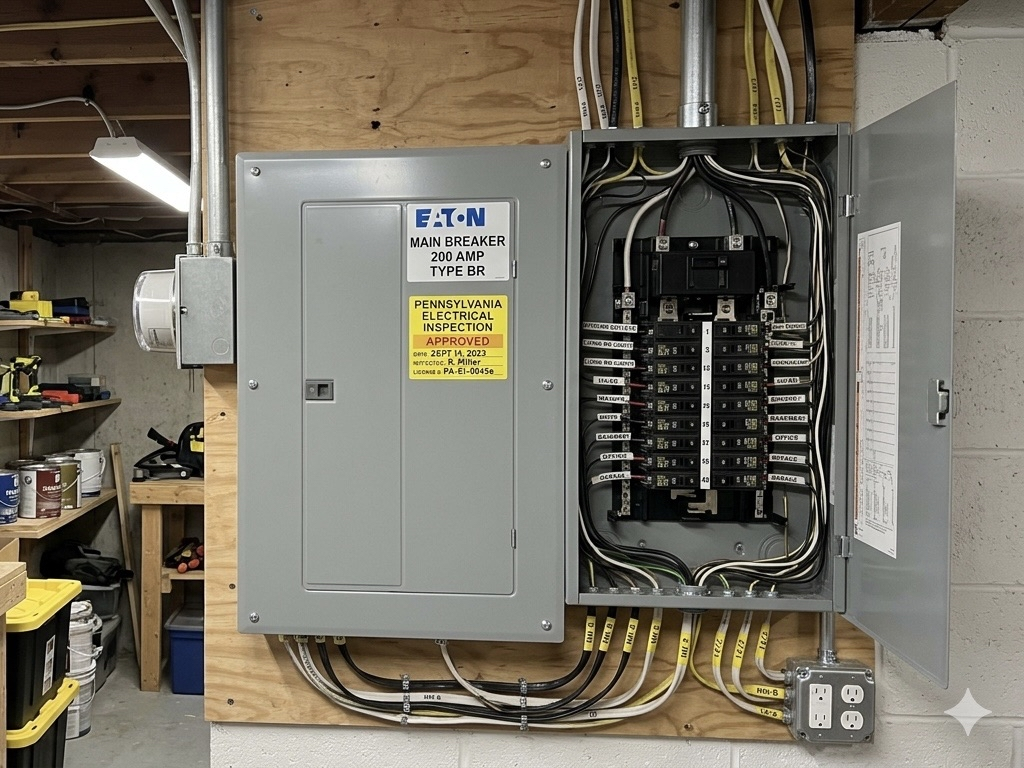
Your electrical panel distributes electricity to the circuits throughout your home. It also houses the circuit breakers that help protect those circuits from overloads and certain faults.
As households add more electrical equipment, an older panel may no longer provide the capacity or configuration needed for the home’s current and planned use.
This can become a concern during kitchen renovations, basement finishing projects, HVAC upgrades, and electric vehicle charger installations.
For example, an EV charger can require a substantial, sustained electrical load. Before installing one, an electrician needs to assess the existing service capacity, panel condition, available circuit space, and the home’s other electrical demands.
Warning signs that deserve attention include:
- Breakers that trip frequently.
- Buzzing, crackling, or burning odors near the panel.
- Visible corrosion or damage.
- Excessive heat around panel components.
- A panel that cannot accommodate a planned electrical upgrade.
A panel’s age or appearance alone does not establish that it must be replaced. An electrician should evaluate its condition, rating, configuration, and suitability for the intended loads.
Burning Smells, Buzzing, and Other Electrical Warning Signs
Some electrical problems provide clear warnings before a component fails. Others develop inside walls, junction boxes, or panels where the problem is not visible.
A burning-plastic smell, persistent electrical buzzing, crackling, or unexplained heat can indicate a loose connection, damaged insulation, an overloaded component, or electrical arcing.
Arcing occurs when electrical current jumps across a gap or follows an unintended path. Depending on the circumstances, it can produce intense localized heat and ignite nearby materials.
These symptoms deserve particular attention because they can signal an immediate safety hazard.
If you notice a burning smell or unusual noise near an outlet, switch, fixture, or electrical panel:
- Stop using the affected equipment or outlet.
- Do not open the panel or remove electrical covers to investigate.
- Turn off the relevant circuit only if you can do so safely.
- Contact a qualified electrician promptly.
- If you see smoke, flames, or signs of an active electrical fire, leave the building and call emergency services.
Do not pour water on an electrical fire or touch electrical equipment that may be energized.
A breaker does not necessarily trip every time a loose connection or dangerous electrical arc develops. That is one reason professional troubleshooting is important even when the lights still work and the breaker appears normal.
Power Surges and Storm-Related Electrical Problems
Storms and utility disturbances can cause electrical surges that damage sensitive electronics and household equipment. Surges may also originate inside the home when certain appliances switch on or off.
A surge is a brief increase in voltage above the normal level. Depending on its magnitude and duration, it can affect computers, televisions, smart-home devices, HVAC controls, and other electronic equipment.
Homeowners in the Wilkes-Barre and Scranton area should consider surge protection as part of a broader electrical safety plan, especially when their homes contain expensive electronics or modern equipment with electronic controls.
There are two common approaches to surge protection:
- Whole-home surge protective devices: Installed at or near the electrical service equipment, these help limit surges entering through the electrical system.
- Point-of-use surge protectors: These protect connected devices and can provide an additional layer of protection.
The two approaches serve complementary purposes. Neither should be treated as a guarantee against every possible surge, and proper grounding and bonding remain important.
After a storm or power interruption, watch for unusual symptoms such as repeated breaker trips, damaged equipment, persistent flickering, or outlets that no longer work. If you suspect electrical damage, have the system inspected before continuing to use affected circuits.
If a utility outage or supply problem appears to affect multiple homes, contact your utility provider as well. Not every power problem originates inside your property.
.
Why DIY Electrical Repairs Can Make Problems Worse
Some household maintenance tasks are straightforward, but electrical troubleshooting can become dangerous when the underlying cause is unclear.
Replacing a light bulb or unplugging a damaged appliance is different from opening a panel, changing breaker ratings, modifying wiring, or adding a new circuit.
Electrical hazards can remain present even when a switch is turned off. Incorrect wiring can also create problems that are not immediately apparent, including reversed polarity, missing grounding connections, improperly protected circuits, and hidden overheating.
For older homes, previous repairs may have introduced additional complications. A wire that appears unused may still be energized, and a circuit that seems simple may connect to other rooms or devices.
Professional troubleshooting focuses on finding the actual cause rather than treating only the visible symptom. That distinction matters when a breaker keeps tripping, several outlets stop working, or lights behave unpredictably.
For homeowners planning electrical upgrades, working with an experienced electrician also helps ensure that circuit sizing, grounding, protective devices, and installation methods are appropriate for the equipment and applicable electrical codes.
Keeping Your Home’s Electrical System Safe
Electrical problems rarely improve simply because they are ignored. A flickering light, frequently tripping breaker, or outlet that no longer works may seem like a minor inconvenience, but each can point to an underlying issue that deserves attention.
For homeowners in Wilkes-Barre, Scranton, and throughout Northeastern Pennsylvania, understanding common electrical problems is a practical way to protect your home, recognize warning signs, and plan necessary upgrades before they become more disruptive.
Catman Electrical Contracting has served the region for more than 50 years, bringing experience and straightforward communication to residential electrical repairs, troubleshooting, panel upgrades, rewiring, surge protection, and modern electrical installations.
If your home’s electrical system is showing signs of trouble, contact Catman Electrical Contracting to discuss your concerns and arrange a professional evaluation. The right diagnosis can help you understand what needs attention, what can wait, and how to keep your home operating safely and reliably.