
Out here in Bear Creek, daily driving doesn’t usually mean short city loops—it means heading down Route 115, cutting across to Wilkes-Barre, or making regular trips toward Scranton. When you switch to an electric vehicle, charging stops being an occasional task and becomes part of your routine.
And in a quieter, more rural pocket like this, that routine works best when it’s built around your home—not a public charger miles out of the way.
What Charging Looks Like in a Place Like Bear Creek
There’s a big difference between owning an EV in a dense city and owning one in the Back Mountain area.
Around Bear Creek—whether you’re near Bear Creek Boulevard or tucked off a side road closer to the state game lands—you’re not surrounded by charging stations. Even the nearest reliable public options often mean heading toward Wilkes-Barre Township or closer to Scranton.
That’s why most local homeowners end up relying on one thing: a properly installed Level 2 charger at home.
It turns charging into a background task. Plug in after dinner, wake up ready to go. No planning stops, no watching battery percentages before heading out to Frances Slocum State Park or a grocery run down in town.
Level 2 Charging: Where It Starts to Feel Easy
Level 1 charging (a standard outlet) technically works—but in Bear Creek, it rarely keeps up with real-life driving.
Here’s a clearer way to think about it:
- Level 1 = backup plan
- Level 2 = daily solution
With Level 2, you’re adding meaningful range every hour. That matters when your “quick trip” can easily turn into 30–50 miles round trip.
And during winter? It matters even more.
Cold temperatures common in Luzerne County don’t just affect comfort—they slow charging and reduce battery efficiency. A faster, dedicated system helps offset that.
A Closer Look at Your Electrical System
This is the part most homeowners don’t see—but it’s where the entire project either works smoothly or becomes a problem later.
Many homes in Bear Creek were built well, but not built with EV charging in mind. That doesn’t mean you can’t install a charger—it just means your system needs to be evaluated properly.
What actually determines readiness?
- Panel capacity – Can your system handle an additional 40–60 amp load?
- Breaker space – Is there room for a dedicated circuit?
- Existing load – Electric heat, well pumps, and workshops add up quickly in rural homes
- Distance to install location – Detached garages and long driveways are common here
Load Capacity and Why It Matters
An EV charger is considered a continuous load, meaning it can draw power at high levels for several hours straight.
Electrical code typically requires sizing circuits at 125% of the expected continuous load. So a 40-amp charger may actually require a 50-amp circuit to operate safely and within code.
That’s why installations aren’t just about “adding a breaker.” They’re about making sure your entire system can handle sustained demand without overheating or tripping.
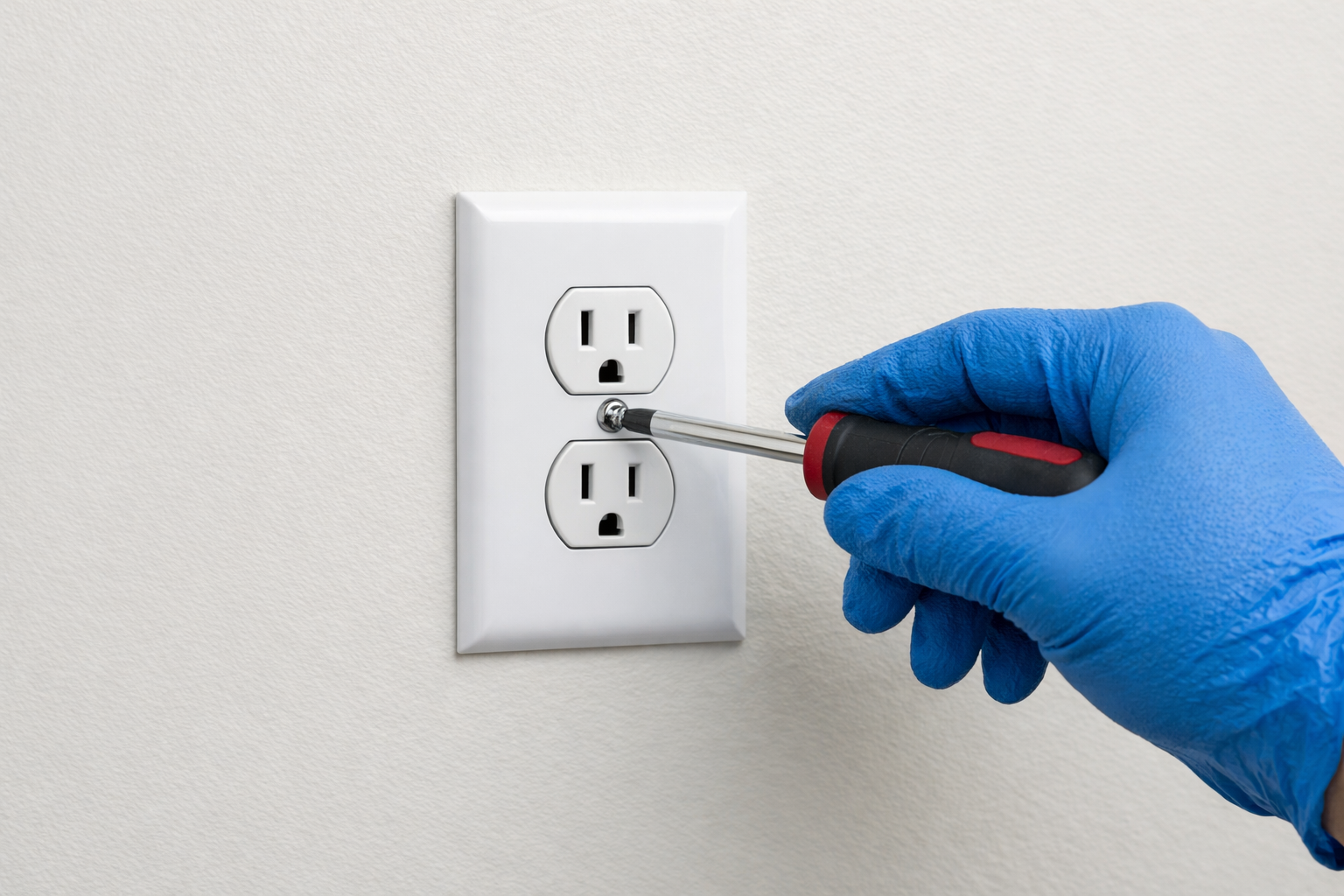
Garage vs. Driveway Installs in Bear Creek
There’s no “standard” setup here. Some homes have attached garages, others have detached buildings, and plenty rely on open driveways.
Instead of forcing one approach, it’s better to understand how each plays out locally.
Garage Installations
More common in newer homes or renovated properties. These are usually simpler, with shorter wire runs and better protection from snow and ice.
Detached Garage Setups
Very common in Bear Creek. These often require trenching or running conduit underground, especially if the structure has its own subpanel.
Outdoor Wall Mounts
Used when garage access isn’t practical. Equipment must be rated for cold weather, moisture, and snow buildup.
“Do I need to upgrade my panel for an EV charger in Bear Creek?”
Not always—but it comes up more here than in newer suburban developments.
If your home already supports:
- Electric baseboard heat
- A hot tub
- A well pump or large workshop equipment
…there’s a higher chance your panel is already close to its limit.
A proper load calculation answers this quickly. Guessing is where problems start.
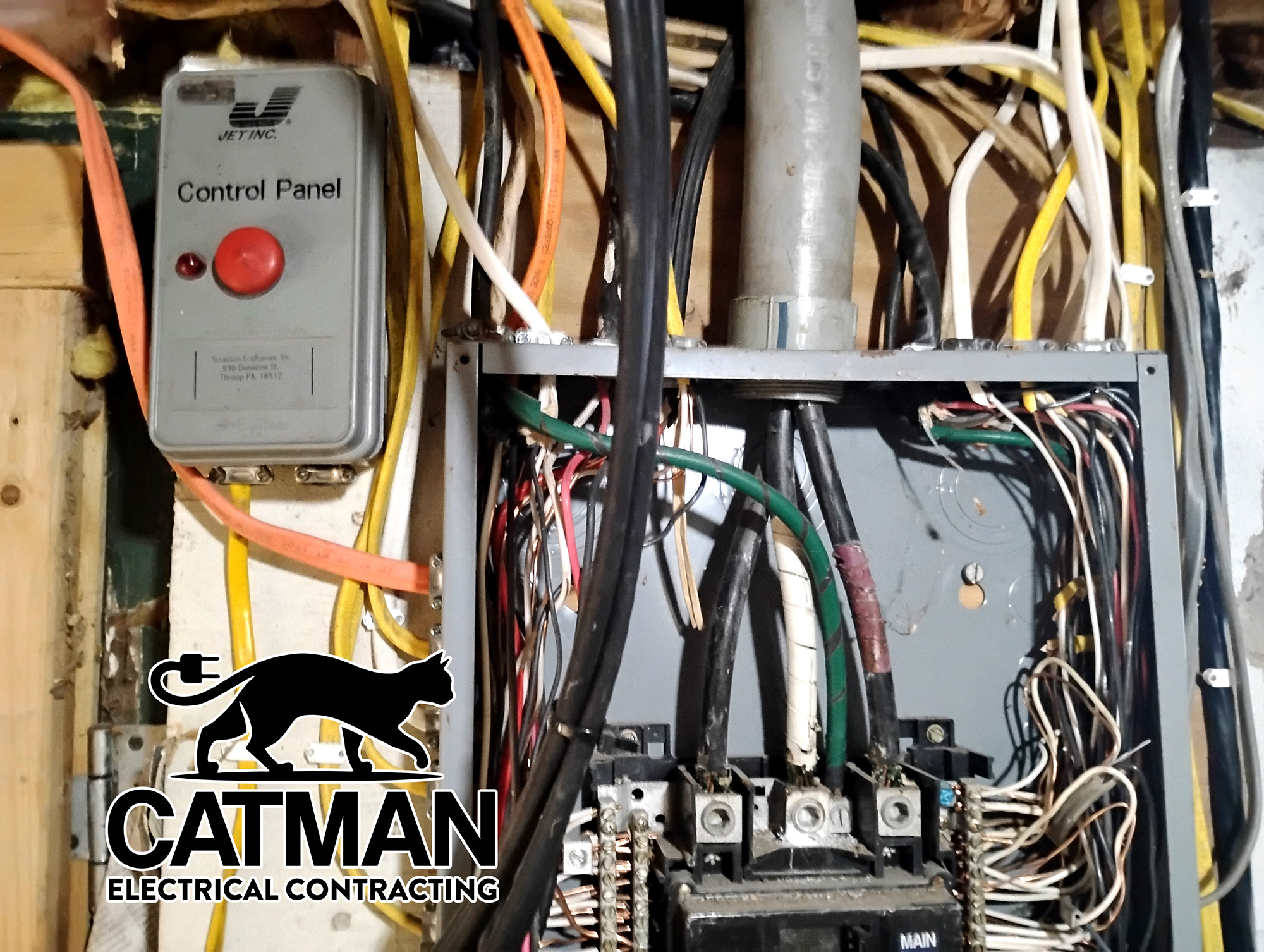
Costs: Why They Vary So Much HerePanel Issues & Circuit Overloads
You’ll see wide ranges online for EV charger installation, but Bear Creek homes don’t always fit those averages.
A few local factors that influence cost:
- Longer distances between panel and charger location
- Detached garages requiring trenching
- Older panels needing upgrades
- Terrain (rocky soil can complicate digging)
Because of that, two homes on the same road can have completely different installation scopes.
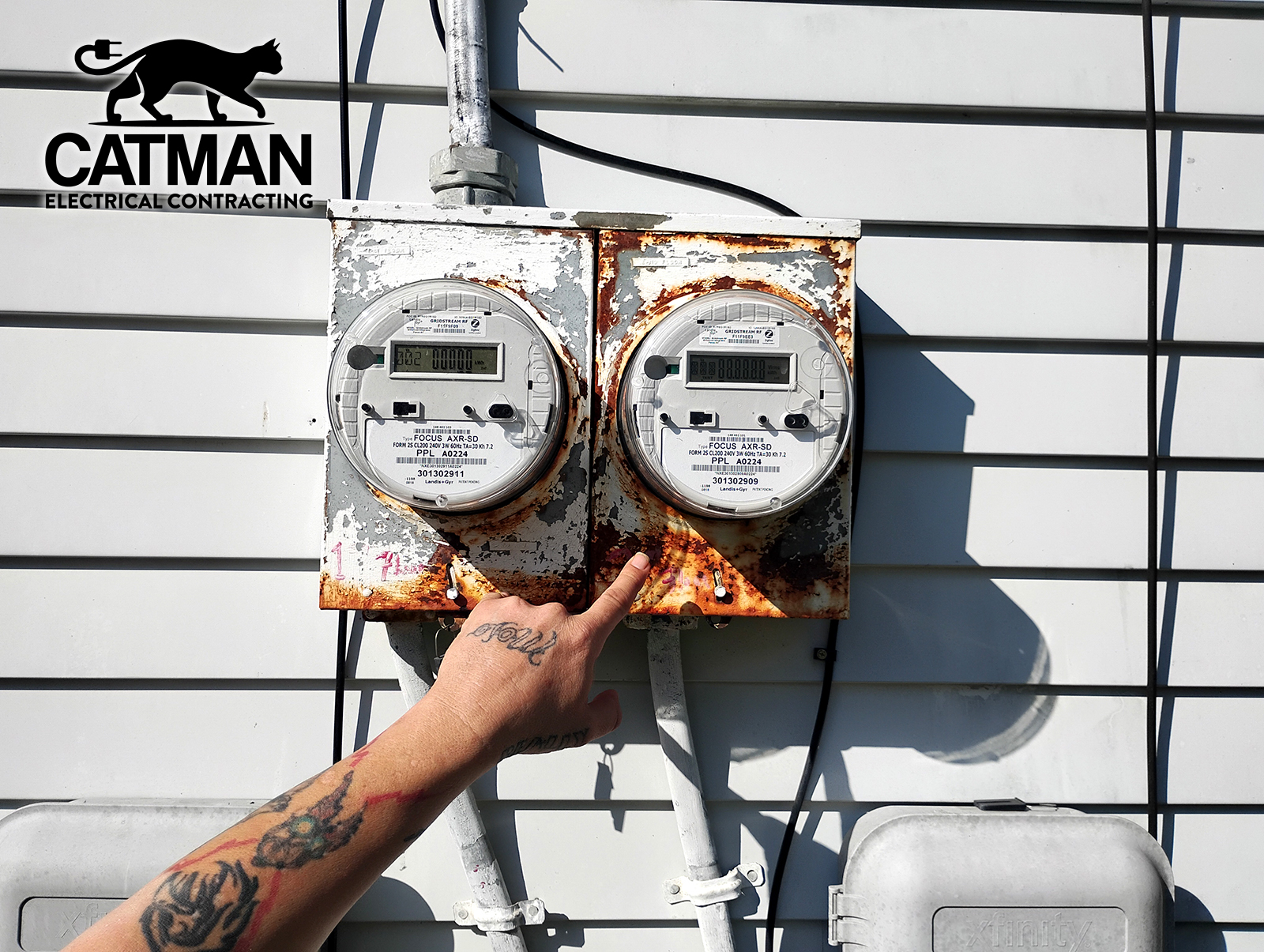
Smart Charging Features That Actually Make Sense
Some features are just tech for the sake of tech. Others are genuinely useful—especially in areas like this.
- Scheduled charging to take advantage of off-peak hours
- Load management to prevent overloading older panels
- Usage tracking for understanding energy costs over time
These aren’t flashy upgrades—they’re practical tools that help your system work with your home, not against it.
Planning Beyond the First Install
A lot of homeowners are installing their first EV charger right now—but it’s rarely the last electrical upgrade they’ll make.
We’re already seeing more homes in the Back Mountain area preparing for:
- A second EV
- Service upgrades
- Integration with future solar systems
Even small decisions—like running slightly larger conduit or leaving panel space—can make those future upgrades much easier.
Final Thoughts
Installing an EV charger in Bear Creek isn’t complicated—but it isn’t generic either.
The homes are different. The distances are longer. The winters are harsher. And the way people use their vehicles is just a little more demanding than in a dense city environment.
When the system is designed around those realities, everything feels simple. You plug in, go inside, and don’t think about it again.
And that’s exactly how it should be.