
Harveys Lake Emergency Electrical Issues: What to Do Before Help Arrives
Talk to an ElectricianGet a Free EstimateElectrical emergencies can happen without warning—especially in relatively rural places like Harveys Lake, PA, where storms, aging homes, and lakefront moisture can put extra strain on electrical systems. Knowing what to do in those critical moments can help protect your family, prevent further damage, and keep a bad situation from getting worse.
Here’s what Harveys Lake homeowners should do before professional electrical help arrives.
Shut Off Power If It’s Safe to Do So
If you notice sparks, burning smells, or smoke coming from outlets, wiring, or your electrical panel:
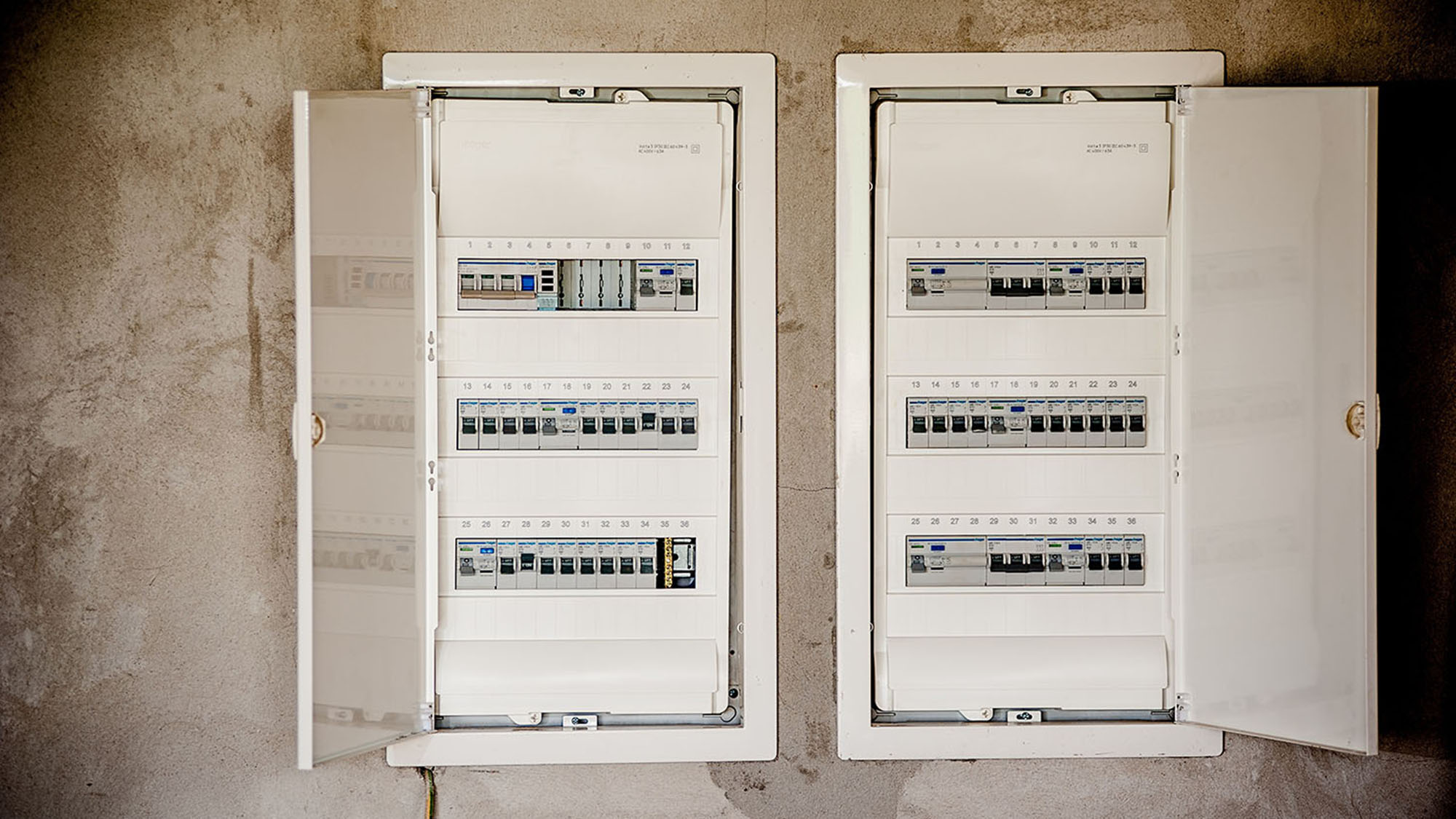
Go to your breaker panel and turn off the main power, only if it’s safe
Never touch the panel if you see water, hear buzzing, or feel heat
Avoid Water and Electrical Sources
In Harveys Lake homes—especially near the lake or in basements—water and electricity are a dangerous combination.
Stay away from standing water near outlets or appliances
Do not use extension cords or electrical devices in damp areas
Never try to dry or fix electrical components yourself
If flooding is involved, wait for a licensed electrician.
Watch for Warning Signs of a Serious Electrical Issue
Common emergency electrical warning signs include:
Burning or fishy odors
Flickering or dimming lights
Buzzing outlets or breaker panels
Warm outlets, switches, or cords
Frequent breaker trips
These symptoms often point to overloaded circuits, failing wiring, or fire hazards—all common in older NEPA homes.
Keep Distance From the Problem Area
If the issue involves:
Exposed wires
Sparking outlets
Smoking electrical panels
Keep people and pets away from the area until help arrives. Never attempt temporary fixes like tape, makeshift covers, or resetting breakers repeatedly.
Call a Local Emergency Electrician Immediately
Electrical emergencies require fast, professional attention. A local Harveys Lake electrician understands:
NEPA housing styles and older wiring systems
Weather-related electrical issues
Local electrical codes and safety requirements
The sooner help is on the way, the safer your home will be.
Top 3 Biggest Mistakes Homeowners Make During an Electrical Emergency (Especially in Rural Areas)
Electrical emergencies in rural areas like Harveys Lake come with unique risks—longer response times, older infrastructure, and limited immediate help. Unfortunately, homeowners often make critical mistakes that make the situation far more dangerous.

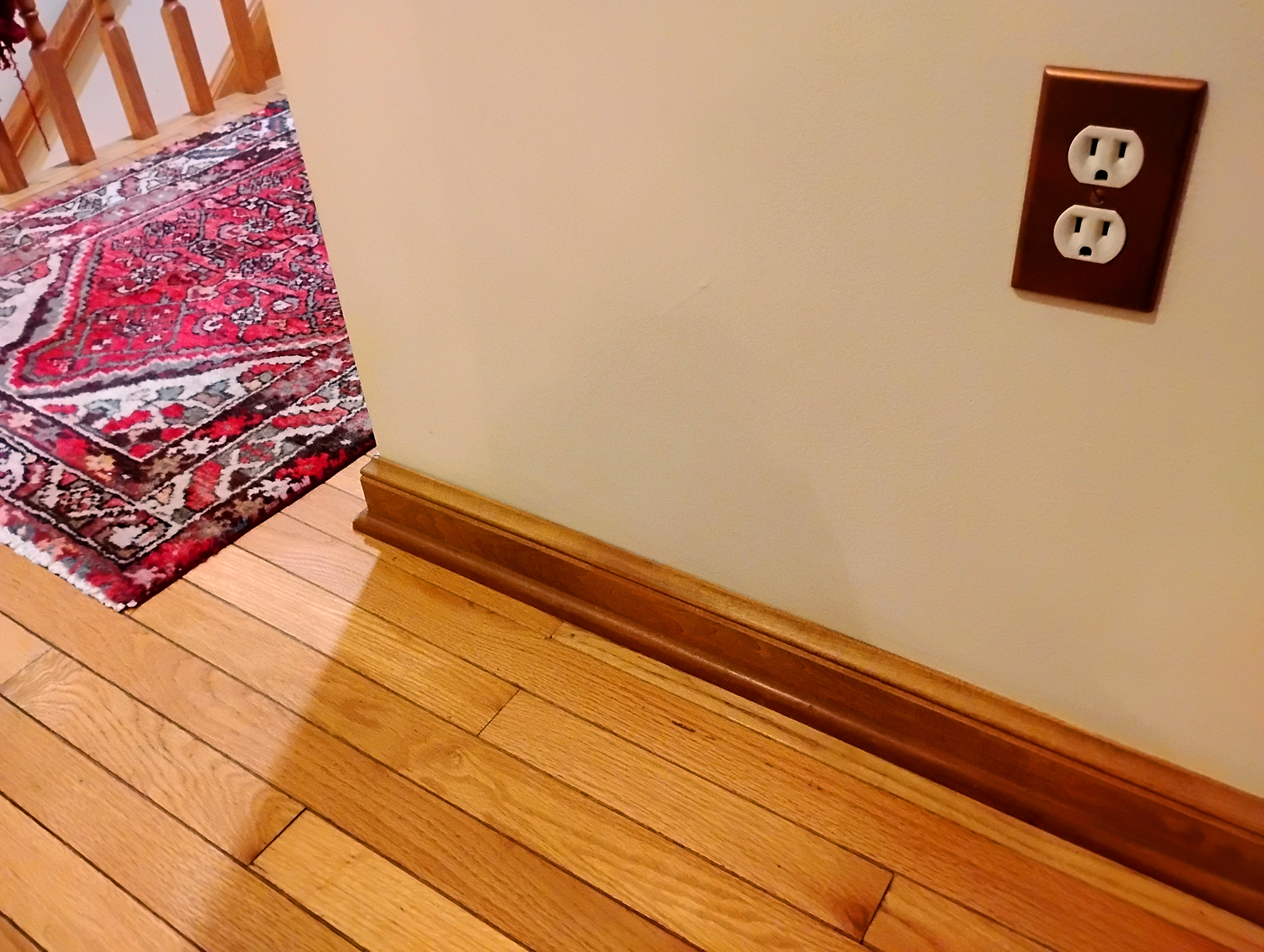
Trying to Fix the Problem Yourself
One of the most dangerous mistakes is attempting a DIY repair during an active electrical emergency. Homeowners may try to:
Reset breakers repeatedly
Replace outlets or switches that are hot or sparking
Tape exposed wires or use makeshift covers
In emergency conditions, wiring can be unstable, energized, or already damaged. One wrong move can cause severe shock, arc flashes, or fires. In rural homes with older wiring, these risks are even higher.
Waiting Too Long to Call for Professional Help
In rural areas, emergency electricians may need more travel time. Some homeowners delay calling because they hope the problem will resolve itself or want to avoid after-hours service costs.
Delaying professional help can allow:
Hidden fires inside walls
Progressive wire overheating
Damage to appliances and panels
In electrical emergencies, time matters. Calling immediately often prevents a small issue from becoming a major repair—or a total loss.
Ignoring the Role of Water and Environment
Rural homes near lakes, basements, crawlspaces, or well systems often deal with moisture. A common and dangerous mistake is underestimating how water affects electrical systems.
Using electricity near damp floors or flooded areas
Entering wet basements to check panels
Running extension cords through wet or muddy areas
Water dramatically increases the risk of electrocution. If moisture or flooding is present, stay clear and wait for a licensed electrician with proper safety equipment.
Emergency Electrical Go‑Bag (Quick‑Grab Checklist)
Keep a small, pre‑packed bag in an easy‑to‑reach location for electrical emergencies—especially important in rural areas where response times may be longer. This bag is for safety, visibility, and awareness only, not for making electrical repairs.
Go‑Bag Essentials
- Flashlight or headlamp (battery‑powered)
• Extra batteries
• Non‑contact voltage tester (to confirm power is off)
• Insulated work gloves (for basic protection only)
• Electrical tape (labeling only, not repairs)
• Permanent marker and small notepad
• Phone charger or battery pack
Outdoor / Rural Safety Items
- Weather‑resistant flashlight or lantern
• High‑visibility vest or reflective jacket
• Sturdy shoes or boots (kept near the bag)
• Rain poncho or lightweight waterproof jacket
• Whistle or personal alarm
• Printed emergency contact numbers
• Basic first‑aid supplies
Why Electrical Emergencies Are Common in Harveys Lake, PA
Homes in the Harveys Lake area often face:
Older electrical systems not designed for modern demand
Moisture from lake air and seasonal storms
Heavy appliance usage during summer and winter months
These factors make professional inspections and quick emergency response essential.
Get Emergency Electrical Help in Harveys Lake & NEPA
If you’re dealing with an electrical emergency in Harveys Lake, PA, don’t wait or guess. Protect your home and your family by contacting a trusted local electrician right away.
Call now for emergency electrical service and get safe, reliable help when it matters most.