It’s Not Just the Power Going Out—It’s What Happens Around It
Storms in NEPA have a way of showing up fast and leaving behind more than just downed branches. Around Wilkes-Barre, especially along stretches like River Street near the Susquehanna or older neighborhoods off South Main Street, power disruptions are common—but the real concern is what those disruptions do to your electrical system.
Because most of the time, the system doesn’t fail during the storm.
It weakens during it… and shows symptoms later.
You might reset a breaker and move on. Maybe your lights flicker once or twice and settle. But behind the panel, your system just went through a stress event—and not all systems recover cleanly.
The Kind of Electrical Stress NEPA Storms Create
There’s a difference between losing power and experiencing instability.
When storms roll through Luzerne County, especially during summer thunderstorm cycles or heavy wet snow in winter, the grid doesn’t just shut off cleanly. It fluctuates.
That means your home may experience:
- Momentary voltage spikes when lines reconnect
- Brownouts (low voltage periods) before full outages
- Interrupted current flow that stresses breakers and circuits
- Moisture exposure at exterior connection points
Homes closer to tree-lined streets—think areas near Kirby Park or North Franklin Street—tend to see more of this simply because overhead lines are more exposed.
What Actually Happens Inside Your Panel
When Voltage Stops Behaving Normally
Your electrical panel is built to distribute stable power. It’s not designed to absorb chaos.
During a storm, incoming voltage can spike well above its normal 120/240V range—even if just for a fraction of a second. That spike travels through your panel and into connected circuits.
Here’s where it gets technical (but important):
- Breakers respond to overcurrent, not always overvoltage
- A surge can pass through without tripping anything
- Sensitive electronics and appliances absorb that excess energy
So even when “nothing trips,” damage can still occur.
That’s why post-storm electrical issues often feel random—they’re not. They’re delayed effects from a system that took a hit without a visible failure point.
A Quick Local Question We Hear All the Time
“If my power came back on and everything works, am I in the clear?”
Not necessarily.
In NEPA, it’s common for systems to experience brief surges or unstable voltage during storms. Even if everything turns back on, you may still have minor internal damage—especially if you notice flickering lights, tripping breakers, or appliances acting differently afterward.
It’s less about immediate failure, more about long-term wear.
Where Storm Damage Tends to Show First
Some parts of your home take the hit earlier than others. And interestingly, it’s not always where people expect.
Instead of one long explanation, here’s a clearer breakdown:
| Area | What to Watch For |
| Kitchen Appliances | Reset clocks, inconsistent performance |
| HVAC Systems | Struggling startup or short cycling |
| Bathroom & Garage Outlets | GFCIs tripping more than usual |
| Lighting Circuits | Flickering or uneven brightness |
If you’ve ever come home after a storm—maybe grabbing takeout off Public Square—and noticed your microwave clock blinking or your AC hesitating, that’s not coincidence.
A Few Situations That Change the Risk Level
Not every home in Wilkes-Barre experiences storm impact the same way. A few factors quietly increase your exposure.
Older Electrical Panels
Many homes in this area still run panels that weren’t designed for today’s electrical loads. Add a surge event, and they’re more likely to show stress.
Overhead Service Lines
If your power comes in above ground (common in many NEPA neighborhoods), it’s more vulnerable to wind, debris, and tree contact.
Moisture + Time
After heavy rain, moisture can linger in outdoor components. That doesn’t always cause immediate issues—but over time, it contributes to corrosion and connection problems.
What About Surge Protection—Is It Really Necessary Here?
Short answer: it’s becoming less optional.
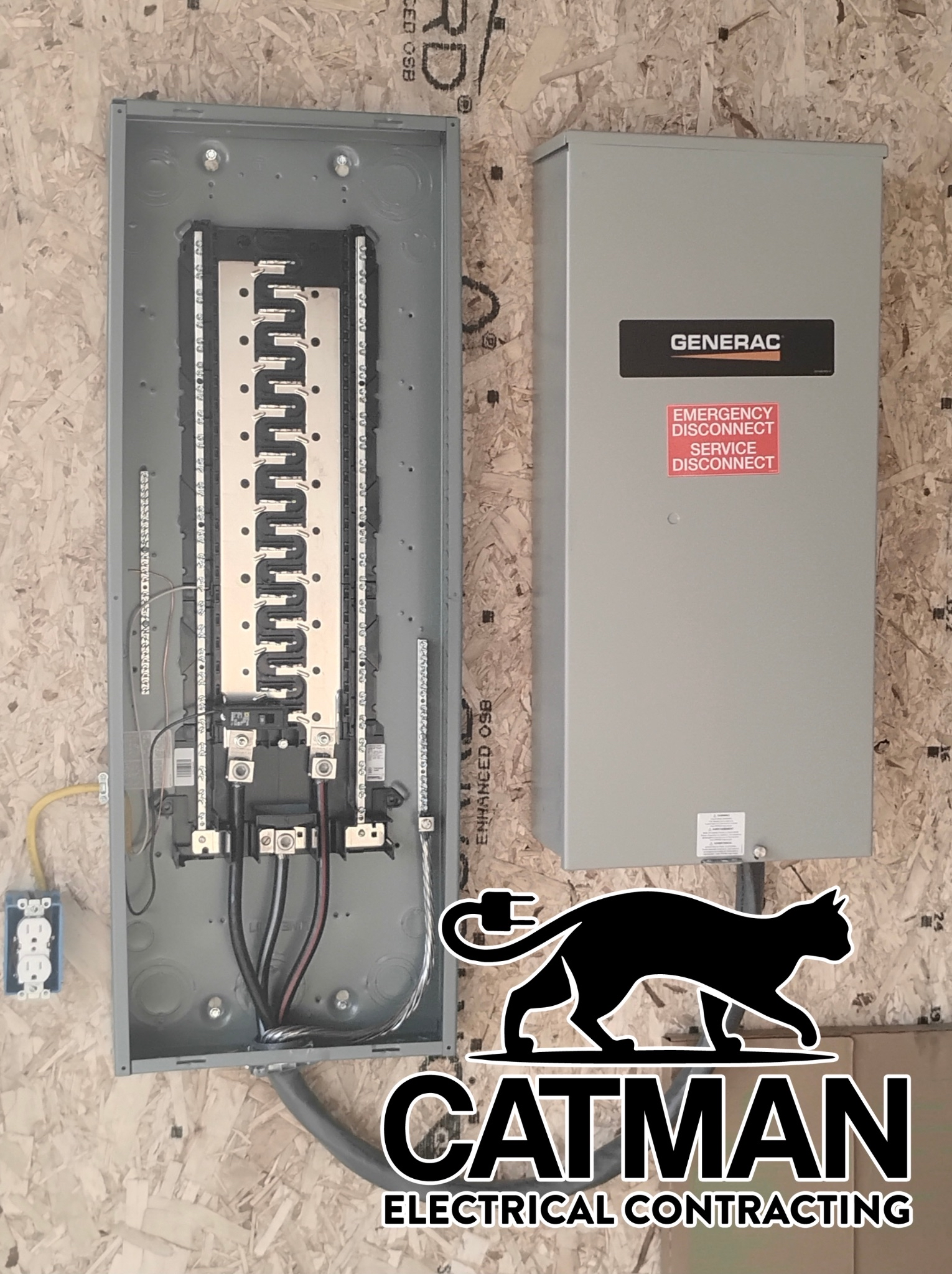
Whole-home surge protection works at the panel level. Instead of letting excess voltage spread through your home, it diverts or absorbs it before it reaches your circuits.
It’s especially relevant in NEPA because:
Storm-related surges are frequent, even if small
Grid infrastructure in some areas is older
Homes are increasingly filled with sensitive electronics
It’s not about eliminating risk entirely—it’s about reducing the impact when storms inevitably hit.
The Less Obvious Warning Signs After a Storm
Some electrical issues don’t announce themselves loudly. They show up quietly, and they’re easy to ignore.
Keep an eye out for:
- Breakers that feel “looser” when resetting
- Lights that dim slightly when appliances kick on
- Outlets that seem inconsistent depending on the time of day
- A faint hum or buzz from your panel
These aren’t emergency-level symptoms—but they are early indicators that your system didn’t come through the storm untouched.
A More Grounded Way to Look at It
Storms are part of life in NEPA. You expect them. You deal with them. But your electrical system absorbs more of that impact than you actually see.
And if you’ve lived here long enough—whether you’re walking along the river or heading up toward the Back Mountain—you know how quickly conditions can shift.
Electrical systems don’t fail all at once in these situations. They wear down in layers.
Understanding that is what helps you stay ahead of problems instead of reacting to them after something finally gives out.