
Small Changes, Real Savings
Electric bills have become a growing concern for homeowners across Northeastern Pennsylvania. Between rising energy costs, aging electrical systems, and the increasing number of devices we rely on every day, many households in the Wilkes-Barre, Scranton, and surrounding NEPA communities are looking for practical ways to reduce monthly expenses without sacrificing comfort.
The good news is that lowering your electric bill often doesn’t require major renovations. In many cases, a handful of strategic upgrades can improve efficiency, reduce wasted energy, and make your home more comfortable year-round.

Understanding Where Electricity Gets Wasted
Before looking at upgrades, it helps to understand why electric bills climb in the first place.
Many homes throughout Northeastern Pennsylvania were built decades ago. While these homes often have plenty of character, they may also contain outdated electrical systems, inefficient lighting, aging appliances, and insulation gaps that force heating and cooling systems to work harder.
Electricity is frequently wasted through:
- Older incandescent or halogen lighting
- Inefficient appliances
- Phantom power draw from electronics
- Aging HVAC equipment
- Poor insulation and air leaks
- Outdated electrical panels struggling to support modern loads
Even small inefficiencies can add up significantly over the course of a year.
LED Lighting: One of the Fastest Ways to Save
Lighting may seem like a minor contributor to your electric bill, but the impact can be surprisingly large.
LED bulbs use significantly less energy than traditional incandescent bulbs while producing the same amount of light. They also last much longer, reducing replacement costs over time.
Consider the difference:
| Bulb Type | Typical Wattage | Average Lifespan |
| Incandescent | 60 watts | 1,000 hours |
| CFL | 13-15 watts | 8,000 hours |
| LED | 8-10 watts | 15,000-25,000 hours |
For a home with dozens of light fixtures, switching to LEDs can noticeably reduce electricity consumption almost immediately.
Quick Insight
Many homeowners replace bulbs only when they burn out. Replacing the most frequently used bulbs first—such as kitchen, living room, and exterior lighting—often produces the biggest savings.
Smart Thermostats Help Eliminate Energy Waste
Heating and cooling typically account for a substantial portion of household energy use.
A smart thermostat helps reduce unnecessary runtime by adjusting temperatures automatically based on your schedule. Instead of heating or cooling an empty home all day, the system operates only when needed.
Benefits include:
- Automated scheduling
- Remote control through mobile apps
- Usage tracking and energy reports
- Better temperature consistency
- Reduced HVAC runtime
This is particularly valuable during NEPA winters, when heating systems often run for extended periods.
.
Ceiling Fans: An Often-Overlooked Efficiency Upgrade
Many people think ceiling fans cool a room. In reality, they help occupants feel cooler by improving air circulation.
During summer, ceiling fans can make a room feel several degrees cooler, allowing you to raise the thermostat setting without sacrificing comfort.
During winter, reversing fan direction can help redistribute warm air that naturally rises toward the ceiling.
This simple adjustment can reduce strain on both heating and cooling systems.
Electrical Panel Upgrades Can Improve Efficiency
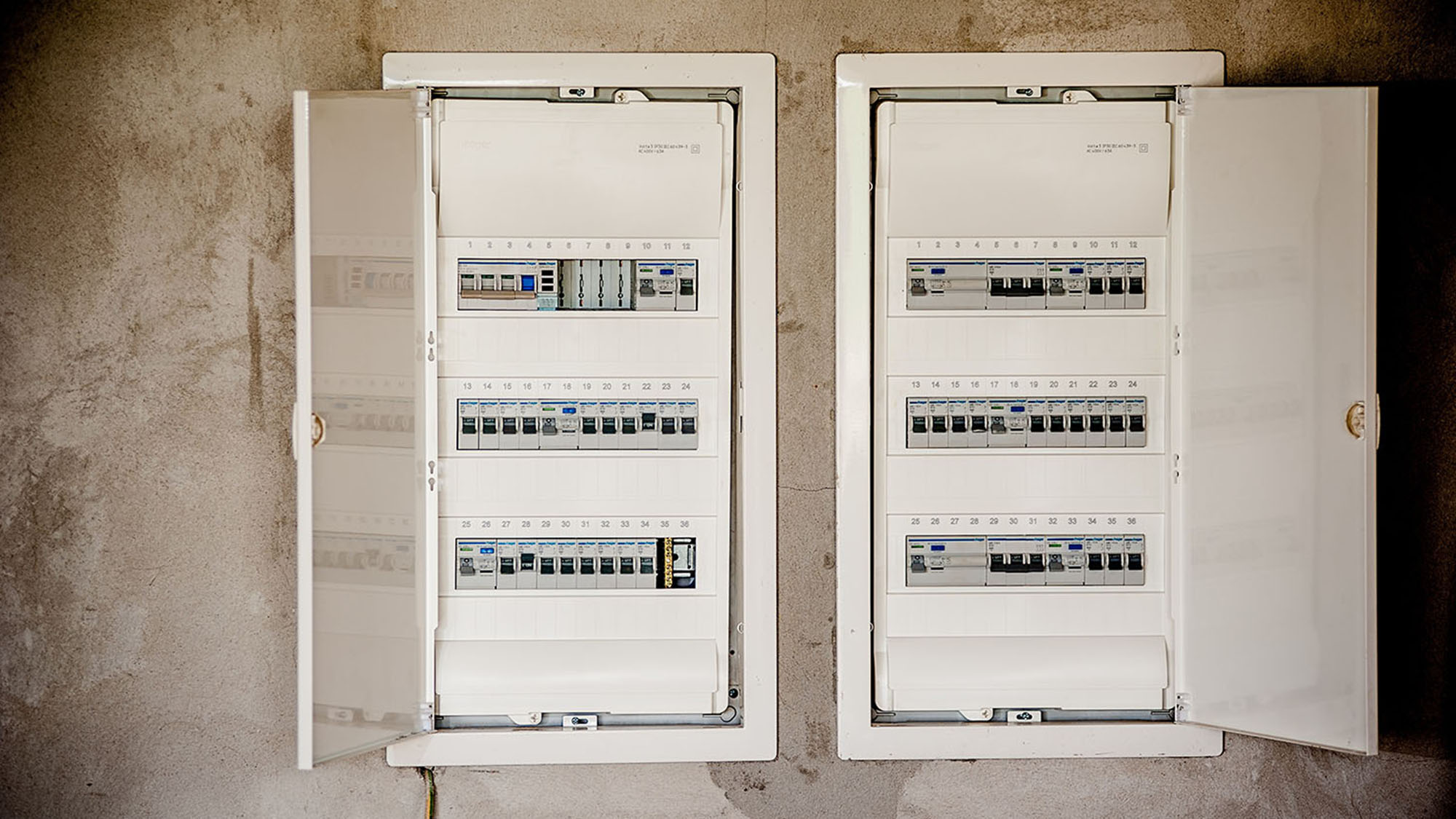
Homeowners often think of panel upgrades as safety improvements—and they are—but they can also support energy efficiency initiatives.
Many older homes throughout the Wilkes-Barre and Scranton region still operate with electrical systems designed decades ago. Today’s households place far greater demands on their electrical infrastructure due to:
- Home offices
- Electric vehicle chargers
- Smart home systems
- High-efficiency HVAC equipment
- Modern appliances
An updated electrical panel allows newer, energy-efficient technologies to operate properly and safely while supporting future upgrades.
Is Your Panel Holding You Back?
If your home still relies on a panel that’s several decades old, it may limit your ability to install modern energy-saving equipment.
Signs include:
- Frequent breaker trips
- Flickering lights
- Limited circuit capacity
- Difficulty adding new appliances or technology
Energy-Efficient Appliances Make a Long-Term Difference
Appliances operate daily, making them one of the largest contributors to household energy use.
Older refrigerators, freezers, dishwashers, and laundry equipment often consume considerably more electricity than modern high-efficiency models.
While appliance replacement requires a larger upfront investment than switching light bulbs, the long-term savings can be significant.
When evaluating replacements, look for:
- ENERGY STAR® certification
- Improved efficiency ratings
- Variable-speed motors
- Smart energy management features
The oldest appliances in the home usually provide the greatest opportunity for savings.
Comparing Common Energy-Saving Upgrades
|
Upgrade |
Upfront Cost |
Potential Savings |
Difficulty |
|
LED Lighting |
Low |
Moderate |
Easy |
|
Smart Thermostat |
Moderate |
Moderate to High |
Moderate |
|
Smart Power Strips |
Low |
Low to Moderate |
Easy |
|
Energy-Efficient Appliances |
High |
High |
Moderate |
|
Panel Upgrade |
High |
Indirect Long-Term Benefits |
Professional Installation |
|
Smart Home Controls |
Moderate |
Moderate |
Moderate |
The best approach is often combining several smaller upgrades rather than relying on a single solution.
Lower Bills Start With Smarter Energy Use
Reducing your electric bill doesn’t necessarily mean making drastic lifestyle changes. In most cases, it comes down to eliminating waste and allowing your home’s electrical systems to operate more efficiently.
Simple upgrades such as LED lighting, smart thermostats, modern appliances, improved surge protection, and updated electrical infrastructure can work together to create meaningful long-term savings.
For homeowners throughout the Wilkes-Barre, Scranton, and NEPA region, these improvements not only lower energy costs but also help prepare homes for the increasing electrical demands of modern living.