
How to Safely Add New Electrical Outlets in Dallas, PA
Considering upgrading your panel? Lets explore the positive aspects of a panel upgrade Talk to an ElectricianGet a Free EstimateIf your Dallas, PA home feels short on outlets or you’re tired of relying on extension cords, adding new electrical outlets can make a huge difference in convenience and safety. However, electrical work isn’t something to take lightly. Installing outlets improperly can create fire hazards, electrical shocks, or code violations. Knowing how to safely add new outlets is essential for keeping your home safe and functional.
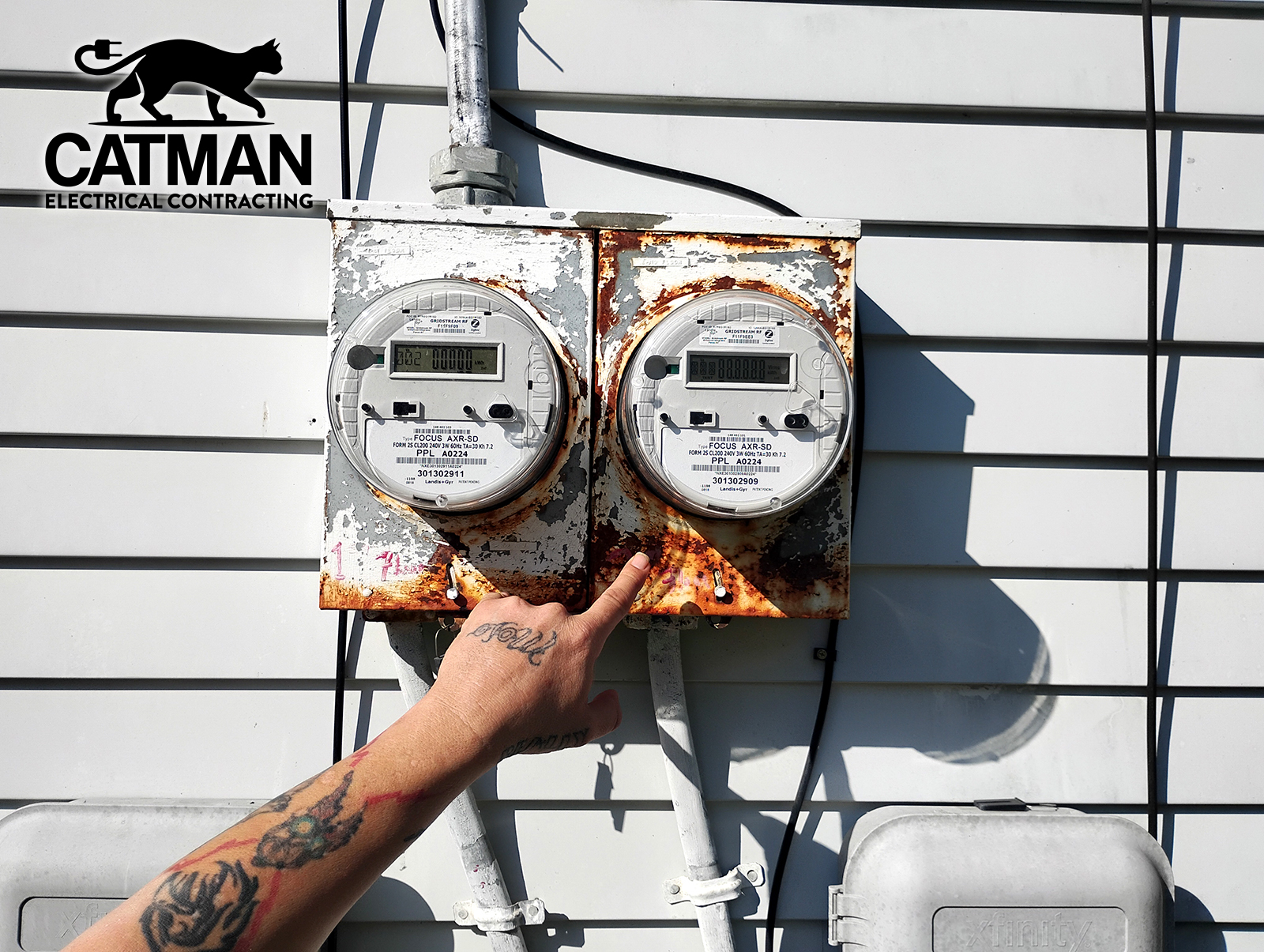
Why Adding Outlets Matters in Dallas Homes
Many older homes in Dallas, PA, were built before modern electrical demands existed. Back then, a handful of outlets per room might have been enough. Today, with smartphones, laptops, kitchen appliances, and home entertainment systems, the demand for accessible outlets is much higher. Adding outlets not only improves functionality, but it also reduces the risks associated with overloading existing circuits or using multiple extension cords.
Plan Your Outlet Locations Carefully
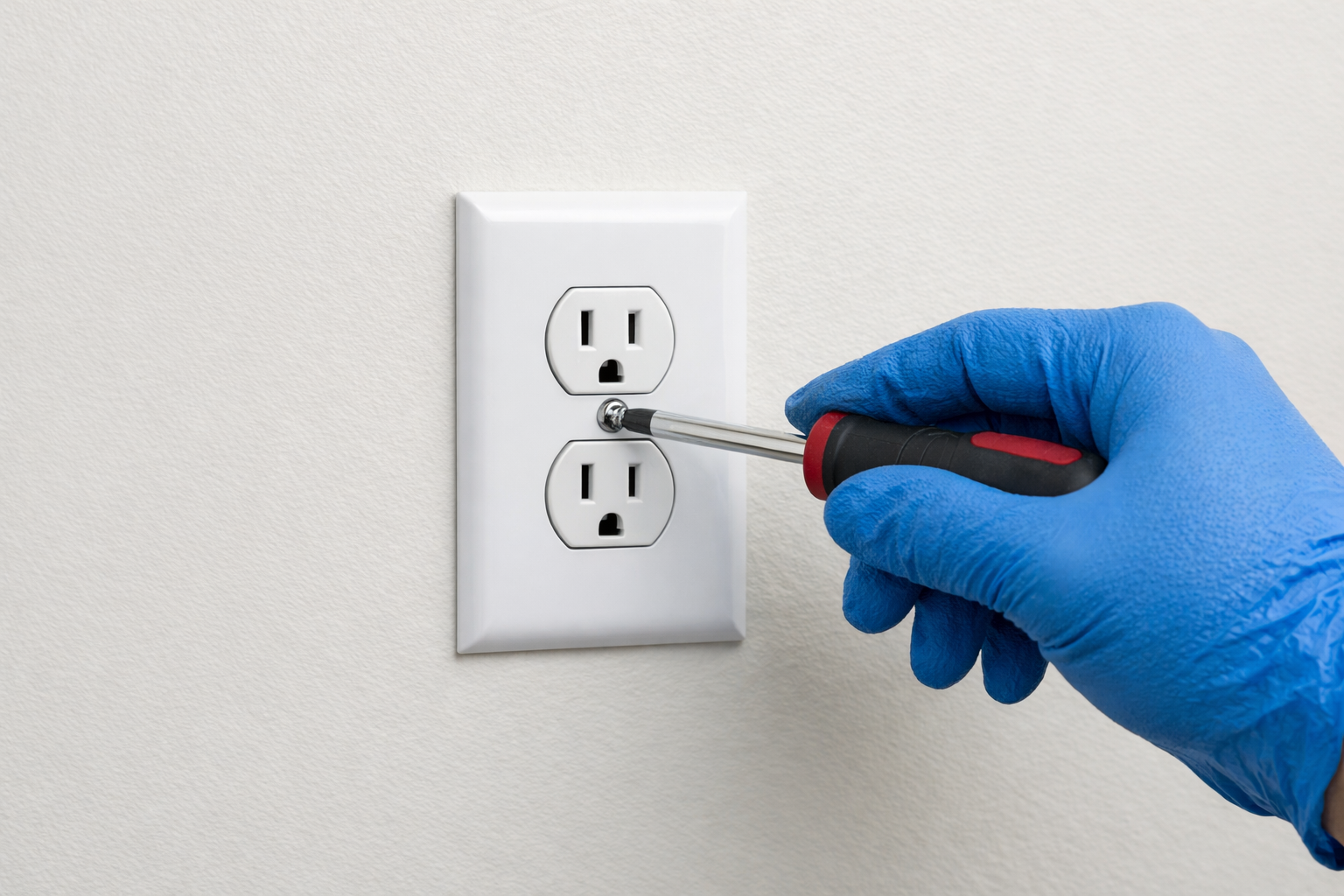
Before any work begins, it’s important to plan where new outlets are needed. Common locations include living rooms, bedrooms, kitchens, and home offices. When planning, consider local building codes and electrical requirements, which ensure outlets are spaced correctly, safely wired, and grounded. Consulting with a licensed Dallas, PA electrician can help you determine the ideal locations and circuit capacity for your home.
Common DIY Pitfalls:
- Placing outlets without considering furniture layout or appliance loads, resulting in awkward or unsafe usage.
- Adding outlets to already overloaded circuits, increasing the risk of tripped breakers or overheating.
Turn Off the Power
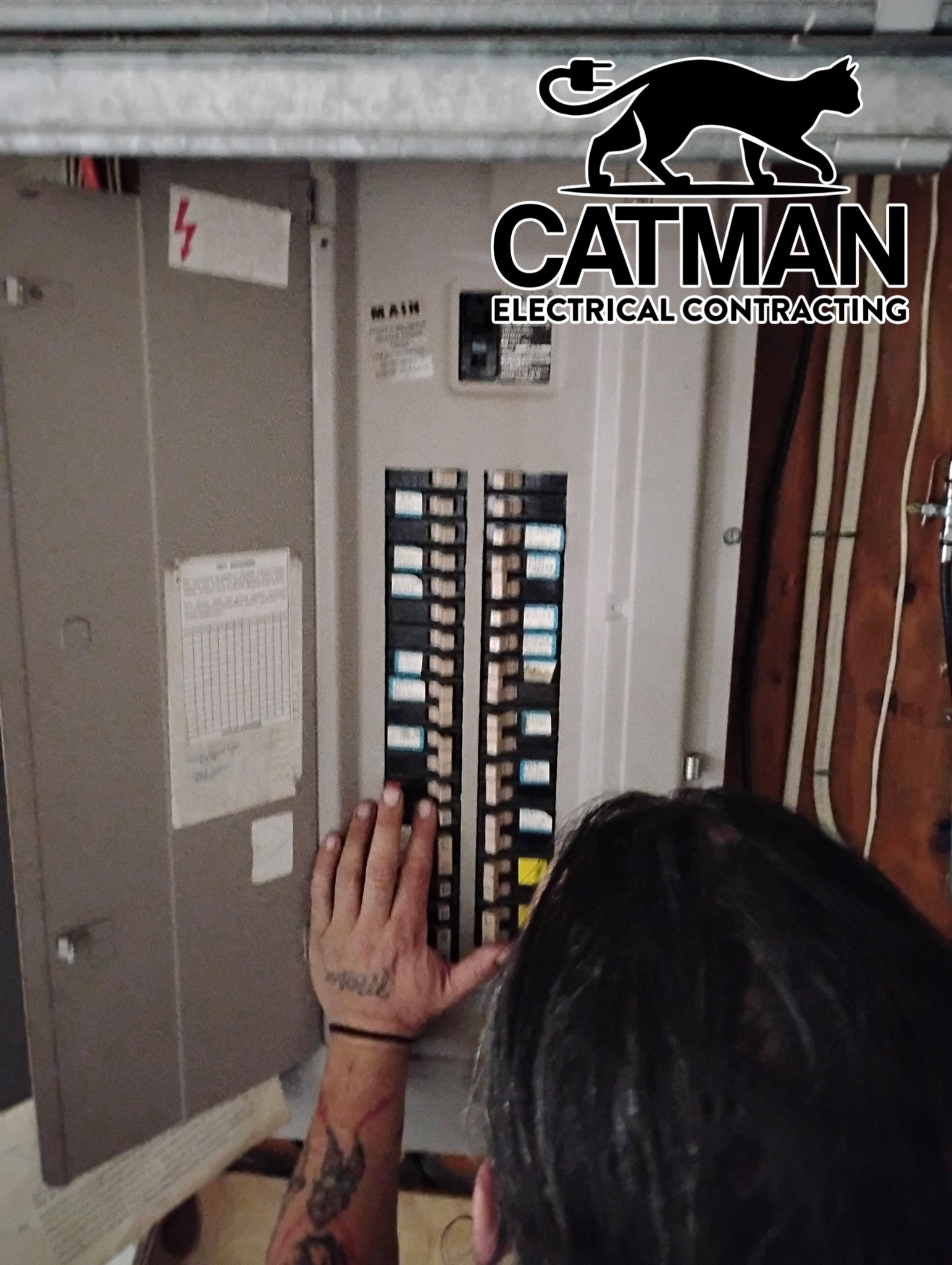
Safety starts with turning off the power at the breaker panel before any installation begins. Never attempt electrical work on a live circuit. Double-check with a voltage tester to confirm that the wires are not carrying electricity. This step is crucial for preventing electrical shock and ensuring a safe working environment.
Common DIY Pitfalls:
- Shutting off the wrong breaker and assuming the circuit is dead without testing.
- Relying on labels in older panels that may be inaccurate or outdated.
Use Proper Wiring and Materials
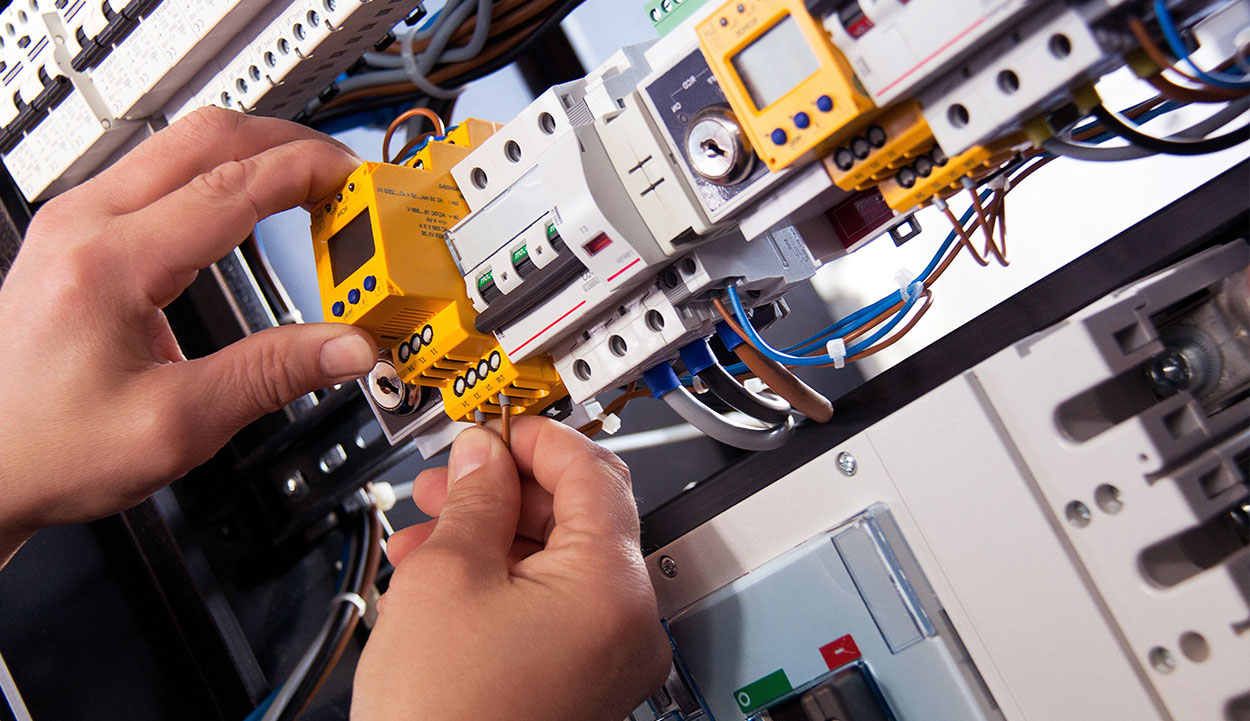
Adding new outlets requires the correct materials, including electrical boxes, wires, outlets, and grounding components. In Dallas, PA, using the proper wire gauge and ensuring all connections are secure and grounded is essential. Improper wire sizing or poor connections can lead to overheating, tripped breakers, or even electrical fires.
Common DIY Pitfalls:
- Using undersized wire or mismatched materials not rated for the circuit amperage.
- Making loose or improper connections that can arc and overheat behind the wall.
Follow Code and Safety Standards
All new electrical outlets must comply with the National Electrical Code (NEC) as well as local building codes in Dallas, PA. This includes proper spacing, grounding, and circuit requirements. Licensed electricians are trained to ensure your installation meets these standards, keeping your home safe and avoiding future issues with insurance or inspections.
Common DIY Pitfalls:
- Installing outlets that do not meet spacing or height requirements.
- Skipping permits or inspections, which can create issues during home sales or insurance claims.
Consider GFCI Outlets in Specific Areas
For areas prone to moisture—such as kitchens, bathrooms, or basements—GFCI (Ground Fault Circuit Interrupter) outlets are required by code in Dallas, PA. These outlets provide extra protection by shutting off power if a ground fault is detected, reducing the risk of electrical shock in wet environments.
Common DIY Pitfalls:
- Installing standard outlets in wet locations where GFCI protection is required.
- Miswiring GFCI outlets, causing them to fail or not provide proper protection.
When to Call a Professional
While homeowners can handle simple outlet replacements, adding new outlets is not a DIY project for most people. Working with a licensed electrician in Dallas, PA ensures that your new outlets are installed safely, meet code requirements, and are capable of handling your home’s electrical load. Professional installation also provides peace of mind and can prevent costly repairs down the road.
From a Licensed Electrician’s Perspective:
“One of the worst DIY outlet jobs I’ve seen was in an older home where a homeowner tapped into an already overloaded circuit using undersized wire and buried loose connections behind drywall. On the surface, the outlet worked—but inside the wall it was heating up every time it was used. We found scorched insulation and melting wire jackets just inches from wood framing. The homeowner had no idea they were one appliance away from an electrical fire.”
Difficult electrical work isn’t just about getting power to a new outlet—it’s about understanding circuit capacity, proper grounding, code requirements, and how older wiring systems behave under modern electrical loads. A licensed professional knows how to identify hidden risks, correct unsafe conditions, and install outlets the right way the first time. When the job involves new circuits, older wiring, moisture-prone areas, or panel capacity concerns, calling a professional isn’t just safer—it’s essential.
Final Thoughts
Adding new electrical outlets can improve both the safety and convenience of your Dallas, PA home, but it must be done correctly. Proper planning, the right materials, adherence to code, and professional installation are key to ensuring your home’s electrical system remains safe and reliable. If your home needs more outlets or updated electrical access, contact a trusted local electrician to get the job done right the first time.
Don’t risk electrical hazards with DIY installation. Our licensed Dallas, PA, electricians safely install every new outlet to code, keeping your home protected. Contact us today for a free consultation!