
How to Tell If Your Home Is Due for an Electrical Panel Upgrade
Considering upgrading your panel? Lets explore the positive aspects of a panel upgrade Talk to an ElectricianGet a Free EstimateIn many homes around Wilkes-Barre and the surrounding Wyoming Valley, the electrical panel is easy to forget about. It sits quietly in the basement, utility room, or garage doing its job day after day. As long as the lights turn on and the outlets work, most homeowners never give it a second thought.
But the electrical demands inside homes have changed dramatically over the past few decades. Houses built in the 70s, 80s, and even early 2000s weren’t designed with today’s mix of devices in mind. Between large kitchen appliances, home offices, smart home equipment, and EV chargers, the electrical panel often ends up carrying far more responsibility than it was originally built for.
Across Northeast Pennsylvania — from Scranton down through the Back Mountain communities — many houses still have perfectly functional wiring paired with panels that are simply undersized for modern living. The trick is recognizing the subtle signs before they become major problems.
The Electrical Panel: Your Home’s Power Traffic Controller
Your electrical panel is where electricity from the utility company enters the house and gets distributed to individual circuits. Every outlet, light fixture, appliance, and device ultimately pulls power through this one location.
When everything is sized properly, the system balances demand automatically. When demand exceeds what the panel can safely supply, the system begins sending warning signals.
Older homes in Luzerne County commonly have 100-amp service, which was once considered more than adequate. Today, many modern homes operate closer to 200 amps, especially if they include:
- Electric ranges or double ovens
- Central air conditioning systems
- Basement living spaces
- Hot tubs or outdoor entertainment areas
- Electric vehicle chargers
- Multiple computers or home offices
Panels that once handled everyday loads comfortably can slowly reach their limits as homeowners add appliances and technology over time.
The Most Common Early Warning: Breakers That Trip Regularly
A breaker tripping occasionally is normal. That’s the safety system doing exactly what it’s supposed to do.
But when it happens frequently, especially during ordinary daily use, it usually means the electrical system is being pushed beyond its design capacity.
Homeowners often notice things like:
- The microwave and toaster running together shutting off the kitchen circuit
- A portable heater tripping breakers during cold winters
- The vacuum cutting power to half a room
- Holiday lighting setups causing repeated resets
In many homes around Wilkes-Barre’s older neighborhoods — places where houses were built long before modern electronics — this is one of the first clues that the panel itself may be due for evaluation.
Flickering Lights When Appliances Turn On
If your lights briefly dim when the refrigerator starts, the furnace kicks on, or the washing machine begins a cycle, the electrical system is reacting to a momentary surge in demand.
In a properly sized system, you usually don’t notice this at all. But when the panel is close to its limit, those small fluctuations become visible.
This is especially common in homes that have gradually added electrical loads over the years without updating the service panel.
After a cold winter hike along the trails near Frances Slocum State Park, most people just want to come home, turn on the heat, and relax. If the lights dip every time the furnace blower kicks on, the electrical system may be telling you it’s working harder than it should.
When Your Home Still Has a Fuse Box
Some older homes around the Wyoming Valley still operate on fuse-based electrical systems rather than breaker panels.
While fuses technically provide protection, they come with several limitations:
- They must be replaced instead of reset
- The wrong fuse size can easily be installed
- Modern circuits often require more flexibility than fuse boxes allow
- Insurance companies frequently flag them as outdated
For many homeowners, upgrading from a fuse box to a breaker panel is less about convenience and more about long-term safety and compatibility with modern electrical loads.
Panel Age Matters More Than Most People Realize
Electrical panels don’t fail like appliances do. Instead, they quietly age while electrical demand steadily increases around them.
A simple rule of thumb many electricians consider:
|
Approximate Age |
Typical Situation |
|
Under 20 years |
Usually modern capacity |
|
20–40 years |
Often still functional but may be undersized |
|
40+ years |
Frequently outdated compared to modern usage |
Much of the housing stock around Wilkes-Barre was built decades ago. The wiring may still be solid, but the central distribution panel may not reflect the way people use electricity today.
A Small Technical Detail Most Homeowners Never See
Inside every electrical panel are bus bars — thick metal strips that distribute incoming electricity to the breakers. Each breaker connects to the bus bar and feeds a circuit in the home.
Over time, heavy electrical loads can cause connection points to loosen slightly or develop resistance. When resistance increases, heat builds up. That heat may not trip a breaker immediately, but it can gradually damage the panel components.
This is one reason older panels sometimes show subtle symptoms like warm breaker handles, buzzing sounds, or breakers that feel loose. These aren’t cosmetic issues — they’re early indicators that the distribution system itself may be under stress.
Planning to Add Major Electrical Equipment?
Sometimes the clearest signal that an upgrade is needed isn’t a problem — it’s a project.
Modern upgrades that commonly require more electrical capacity include:
- EV charger installations
- New HVAC systems
- Finished basements
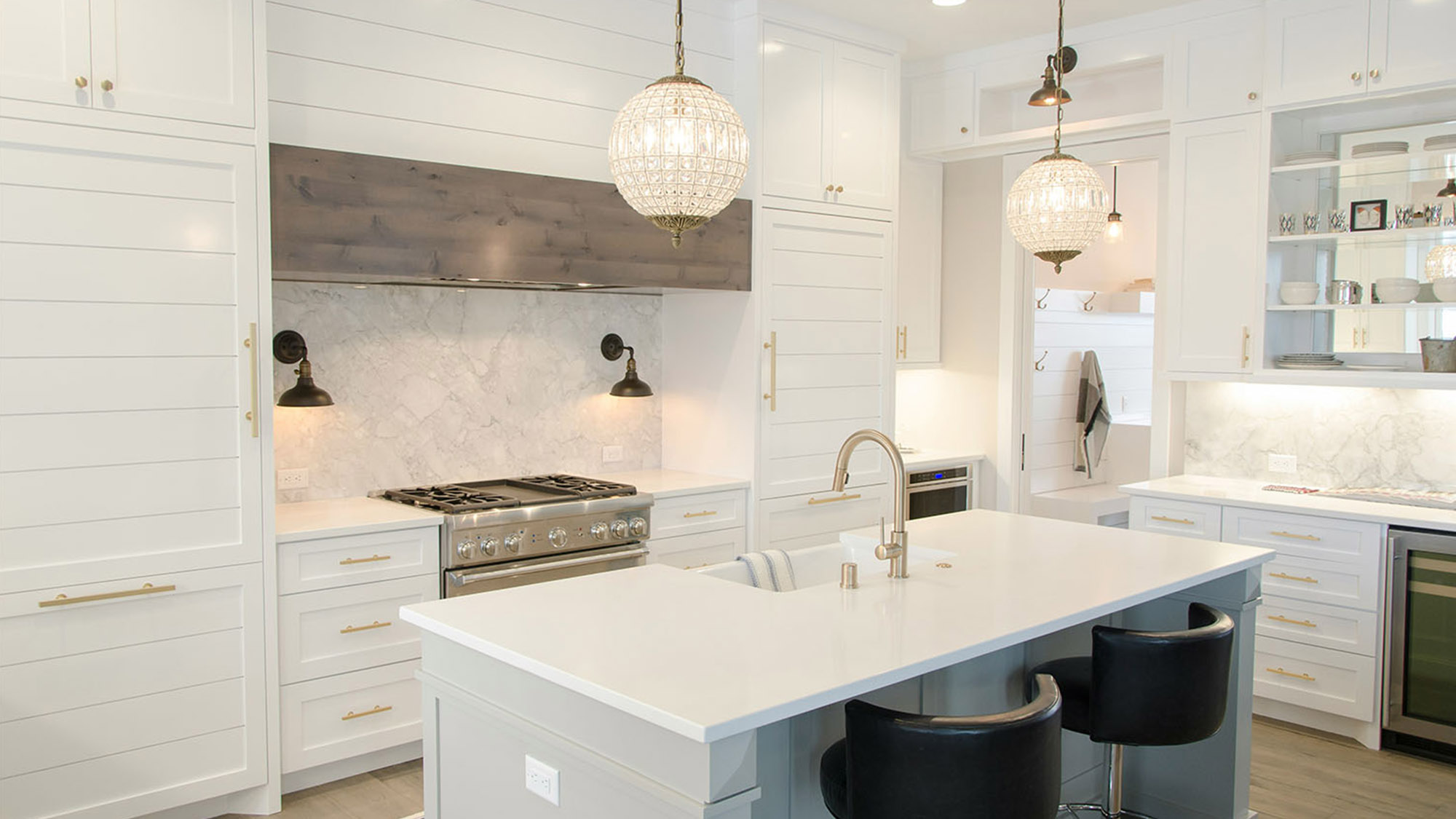
- Kitchen remodels with high-powered appliances
- Electric water heaters
- Outdoor entertainment areas
A panel that’s already close to capacity may struggle once these additions are installed. Upgrading the panel first ensures the rest of the electrical system has room to grow.
Quick Local Question Many Homeowners Ask
“How do I know if my Wilkes-Barre home needs a 200-amp panel?”
The simplest answer: if your home frequently trips breakers, still has a 100-amp panel, or you’re planning large electrical upgrades like EV charging or new HVAC equipment, it’s worth having the panel evaluated. Many homes built before the early 2000s simply weren’t designed for the electrical demand modern households place on them today.
An inspection usually looks at total electrical load, panel age, circuit capacity, and future expansion needs.
A Panel That’s Completely Full
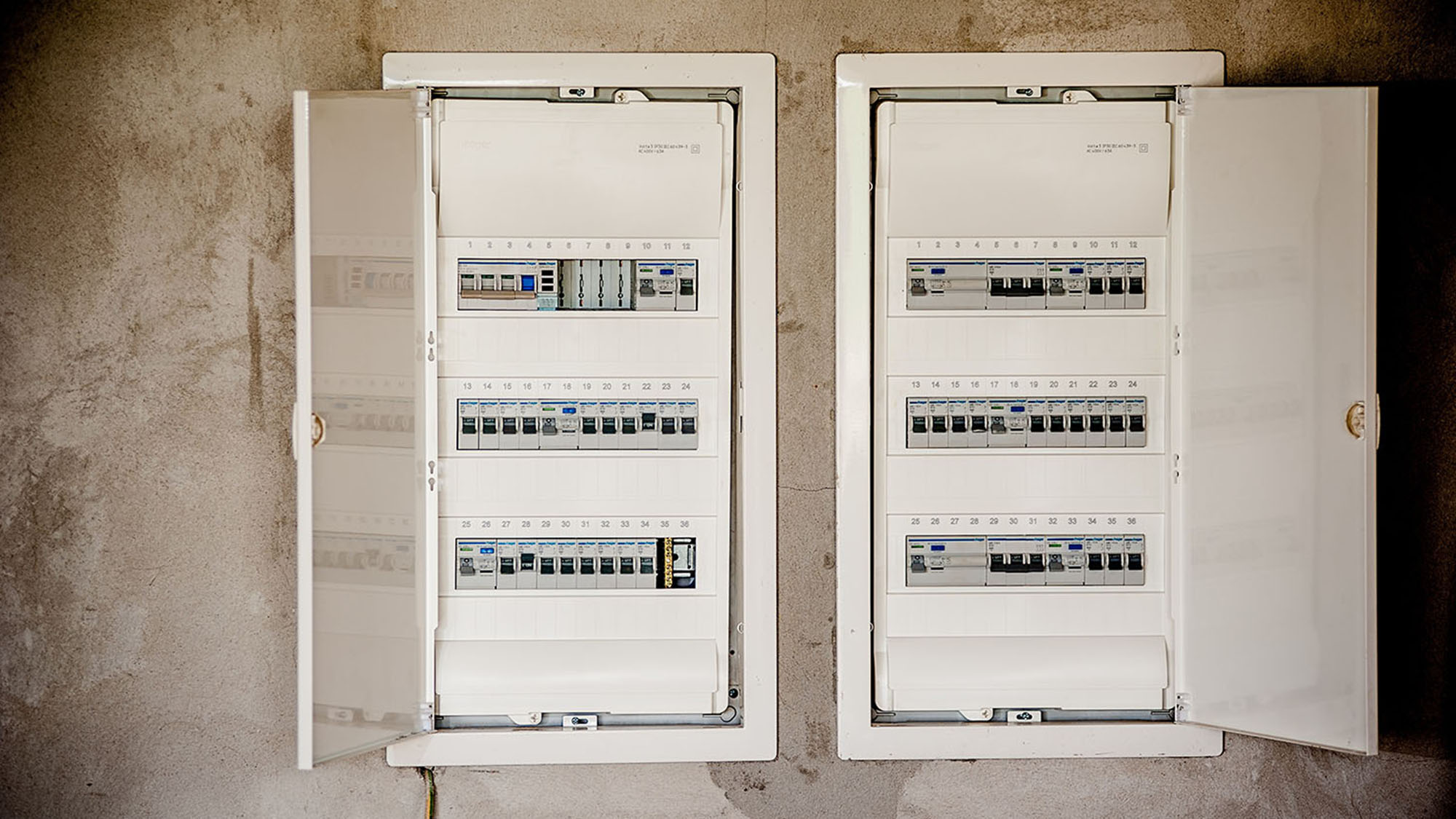
When every slot in the breaker panel is occupied, it leaves very little room for future electrical work.
Electricians sometimes install tandem breakers to fit more circuits into the same space, but that’s not always the best long-term approach. A panel that’s completely full often indicates that the electrical system has slowly expanded beyond its original design.
This situation shows up often in homes where kitchens were remodeled, basements were finished, or outdoor lighting and outlets were added over time.
Some Older Panel Brands Are Known for Reliability Issues
While many electrical panels operate safely for decades, a few older manufacturers developed reputations for breakers that fail to trip properly during overload conditions.
Electricians frequently recommend evaluating panels made by:
- Federal Pacific Electric (FPE)
- Zinsco
- Certain older Challenger models
The issue isn’t that every panel from these brands is dangerous — but their internal mechanisms may not perform as reliably under fault conditions as modern breakers.
Subtle Signs You Should Never Ignore
Some electrical panel symptoms should be evaluated quickly:
- Breakers that feel hot to the touch
- A buzzing sound inside the panel
- Burning plastic or electrical odors
- Discoloration around breakers
These signs indicate heat buildup inside the panel, which can damage internal components and increase fire risk.
The Bigger Picture: Homes Use More Power Than Ever
The way households use electricity today is very different from just twenty years ago.
A typical home may now run:
- Multiple TVs and entertainment systems
- High-powered kitchen appliances
- Home office computers and networking gear
- Smart home devices and automation
- Charging stations for phones, tablets, and tools
- Electric vehicles
Individually, none of these are extreme power users. But together they significantly increase the total electrical demand placed on the home’s central distribution system.
The Quiet Role of a Properly Sized Panel
A properly sized electrical panel isn’t something you notice every day. In fact, when everything is working correctly, it disappears into the background of daily life.
But when the system is undersized or aging, small issues begin to surface — tripped breakers, dimming lights, crowded circuits, and limitations when adding new equipment.
Many homeowners in the Wilkes-Barre area discover that upgrading the panel isn’t about fixing something broken. It’s about making sure the electrical system is ready for the way modern homes actually use power.
And once that central hub is properly sized, the entire electrical system tends to run smoother, quieter, and with far fewer surprises.