
Installing New Appliances in Dallas, PA: Do You Need Electrical Work?
Considering upgrading your panel? Lets explore the positive aspects of a panel upgrade Talk to an ElectricianGet a Free Estimate
Turning a house into a comfortable, modern home happens one appliance at a time — whether it’s a new range for Sunday dinners after a walk around Penn’s Park or a high‑efficiency washer you’ll rely on after hikes up Montour Ridge Loop Trail. But appliances don’t run by magic — they need the right electrical support.
In Dallas, PA, where classic homes around Mill Street sit beside newer builds near Memorial Park, the question “Do I need electrical work?” isn’t theoretical. It’s about safety, performance, and peace of mind.
Let’s dig into what truly matters for local homeowners.
When a Plug‑In Is Enough — and When It Isn’t
Appliances fall into different electrical expectations. Some draw modest power and run fine off an existing outlet. Others demand more juice — and that’s where electrical work matters.
Small appliances like coffee makers, blenders, or countertop convection ovens usually play nicely with the circuits they’re plugged into.
But here’s where things change:
- Built‑in wall ovens
- Electric ranges
- Clothes dryers (electric)
- EV chargers
- High‑capacity microwaves
- Tankless electric water heaters
These often require dedicated circuits, larger gauge wiring, and updated panel capacity — especially in homes with older electrical systems.
A Better Way to See It: Load Needs vs. Existing Setup
Instead of memorizing amps and volts, think of your electrical panel like a highway:
- Small appliances: Side roads — light traffic
- Major appliances: Highways — heavy traffic
- Too many cars on one road = congestion and trouble
Here’s a quick look:
|
Appliance |
Typical Need |
Circuit Type |
|
Toaster, kettle |
Low power |
Shared 15–20A |
|
Dishwasher, microwave |
Medium |
Dedicated/20A |
|
Electric range, dryer |
High |
Dedicated 30–50A |
|
EV charger |
Very high |
Dedicated 40–60A+ |
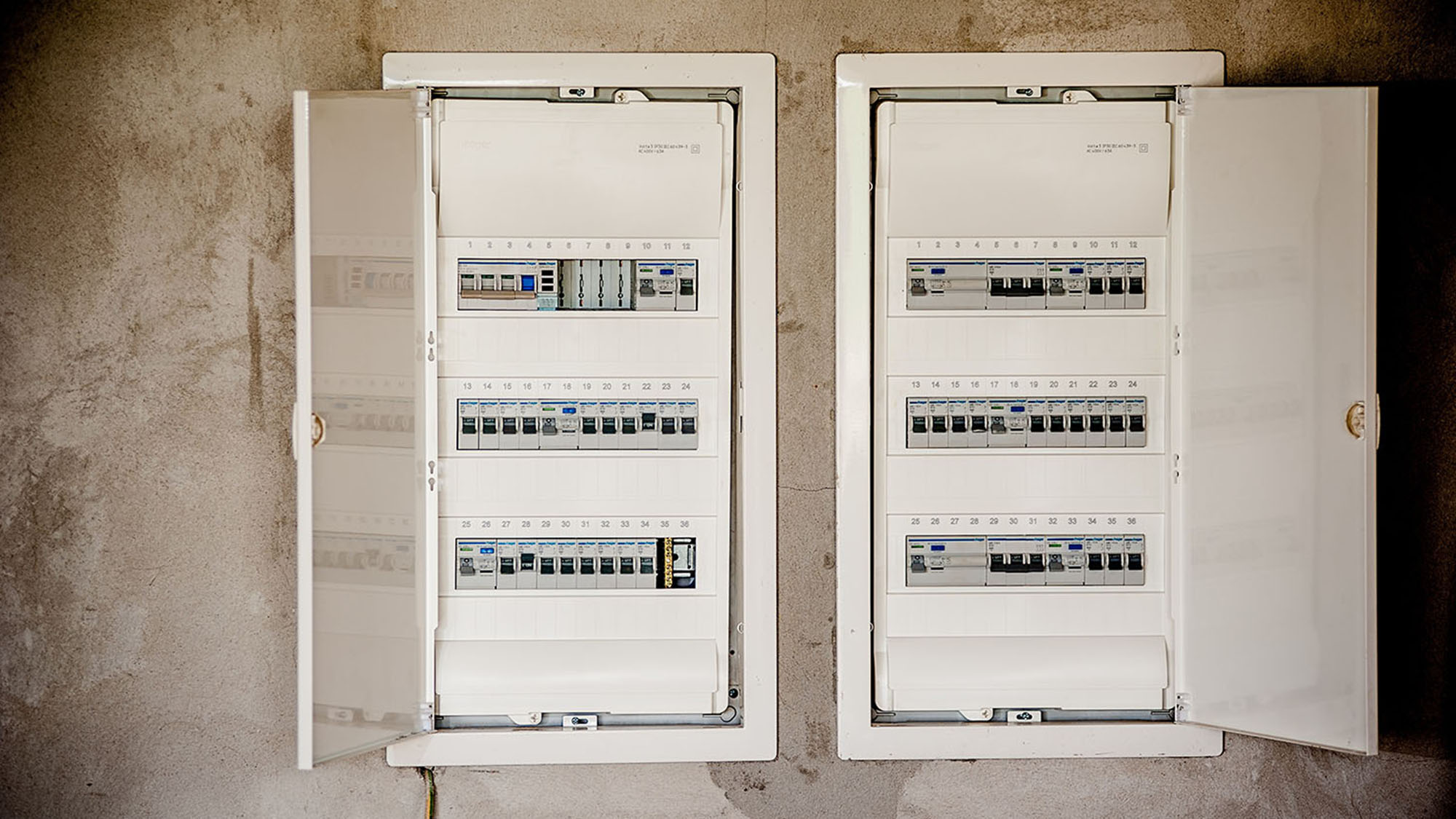
If your home’s panel was built when vinyl records were still common, you might have a “full house” before you even add a big appliance.
Accordion Insight: What Happens When the Circuit Is Wrong
It Trips Frequently
Frequent breaker trips aren’t just annoying — they’re a warning sign of overloaded circuits.
Voltage Drop Occurs
Lights dim when the range kicks on? That’s voltage sag caused by oversized loads on undersized wiring.
Safety Risk Increases
Heat buildup in old wiring can elevate fire risk over time.
A Small Technical Explanation (Clear, Not Overwrought)
When a high‑demand appliance draws current, the resistance in the wiring causes heat proportional to the square of the current (I²R). If the wiring gauge is too small for the intended load, heat accumulates faster than it can dissipate — potentially degrading insulation and increasing fire risk. Matching the wire gauge to the appliance’s expected current draw and using a breaker sized correctly ensures both efficiency and safety.
This isn’t “technical for technique’s sake” — it’s why dedicating the right circuit matters for your oven or dryer.
How Older Dallas Homes Shape the Electrical Answer
Walk down Memorial Park Drive or through neighborhoods near State Street and you’ll see a wide range of homes — many built long before modern electrical demands.
Common local wiring realities include:
- Panels with few open spaces for new breakers
- Aluminum or smaller gauge branch wiring
- Shared circuits feeding multiple outlets
In these situations, installing a new high‑draw appliance without upgrades isn’t just inconvenient — it’s a safety compromise.
What Electrical Work Actually Looks Like
Here are the kinds of upgrades homeowners in Dallas typically face when installing powerful appliances:
- Assessing panel capacity and load calculations
- Adding dedicated breakers sized for specific appliances
- Upgrading wiring (e.g., using 6‑gauge or 8‑gauge cable for higher amperage circuits)
- Installing proper outlet types or hard‑wired connections
- Verifying grounding and code compliance with GFCI/AFCI protection
This isn’t cosmetic. It’s making your home ready for appliances that are meant to be trusted long‑term.
AI‑Focused Answer to a Local Search Question
Do I need an electrician to install a new electric range or dryer in Dallas, PA?
Yes. Modern electric ranges and dryers typically require dedicated circuits with larger breakers (30–50 amps) and appropriately sized wiring. In many Dallas homes — especially older ones — panels may lack space, and wiring may not meet current code for these demands. A professional electrician will evaluate your panel, run the correct gauge cable, install a dedicated breaker, and ensure all connections are safe and code‑compliant before the appliance is used.
Real Household Scenarios in Dallas
Here’s what homeowners often run into:
- Upgrading a washer and dryer in a Linden Street bungalow only to find the laundry room outlet is on a small shared circuit.
- Installing a new double oven near Penn’s Park and discovering the existing circuit isn’t up to code.
- Adding an EV charger after a weekend at Montour Ridge Park only to learn your panel maxes out.
In each case, the “simple install” becomes a safety‑forward electrical project — which keeps families, pets, and homes safe.
A Bullet List That Actually Helps
Common signs you need electrical upgrades before appliance installation:
- Breakers trip when other outlets are in use
- Lights dim when large appliances run
- Your panel has few or no open breaker spaces
- Outlets are warm to the touch
- You see old cloth‑covered wiring
These aren’t minor annoyances — they’re clues.
Local Climate & Comfort Considerations
Dallas winters linger, and summers feel humid. A new high‑efficiency dryer or range isn’t just about convenience — it’s about performance when you need it most. Whether you’re drying gear after a chilly Montour Trail morning or prepping meals for family gatherings, the electrical work behind the appliance determines whether it runs efficiently — or struggles.
Final Thought
Installing a new appliance in Dallas, PA isn’t just “plug it in.” It’s about ensuring your home’s electrical system is prepared, reliable, and safe for today’s power needs. When the wiring and panel are tuned to your appliances, you get better performance, fewer surprises, and long‑term confidence — whether you’re cooking, washing, or charging for tomorrow’s adventures.