Out in rural NEPA, a power outage doesn’t automatically mean the same thing it would in a city. When you’re living a bit off the main road—whether that’s outside Bear Creek, up toward the Back Mountain, or along quieter stretches near Harveys Lake—power loss can come from a lot of directions.
Sometimes it’s a storm rolling through the valley.
Sometimes it’s a tree line taking down a utility wire.
And sometimes… it’s something inside your own home that finally gave out.
Knowing the difference is what gets power restored faster—and more importantly, safely.
Start Outside Before You Open the Panel
When the lights go out, most people head straight for the breaker panel.
In rural areas, that’s not always the best first move.
Take 30 seconds and look outward:
- Are nearby homes dark too?
- Are porch lights or streetlights still on?
- Do you hear generators kicking on around you?
If your entire stretch of road is out, you’re likely dealing with a utility issue. If your house is the only one affected, that narrows it down quickly.
That quick check saves time—and avoids unnecessary guesswork.
Support Modern Power Demands
Today’s homes use more electricity than ever—home offices, smart devices, high-efficiency appliances, and entertainment systems all add demand to your electrical system. An annual inspection confirms your wiring and panel can safely handle your household’s power needs.
Catman Electrical Contracting evaluates system capacity and recommends upgrades when needed to keep your home running efficiently.
When It’s Clearly a Utility Issue
There are moments where the answer is obvious.
After a heavy storm—especially the kind that rolls past areas like Frances Slocum State Park—you might lose power along with everyone else nearby.
That typically points to:
- Downed lines
- Transformer issues
- Grid-related outages
In those cases, calling the power company is the right move.
But here’s where it gets tricky…
When It Feels Like the Utility—But Isn’t
This is where a lot of homeowners get stuck.
Power flickers during a storm. It goes out briefly. Then it comes back.
But something’s different now.
Maybe:
- A few rooms don’t have power
- The microwave struggles when it runs
- Lights dim more than they used to
At that point, the outage may have started with the utility—but the problem you’re seeing now is inside your system.
The Telltale Sign: Partial Power
This is one of the clearest indicators that you’re not dealing with a full outage.
If part of your home still works, and part doesn’t, that’s almost always internal.
What partial power actually means
Most homes in NEPA receive electricity through two separate 120V lines (often called legs). Together, they power everything from outlets to larger 240V appliances.
If one leg drops:
- Some rooms stay powered
- Others go completely dead
- Appliances like stoves or dryers may stop working altogether
This isn’t just inconvenient—it puts uneven stress on your system.
Why Losing One “Leg” Matters
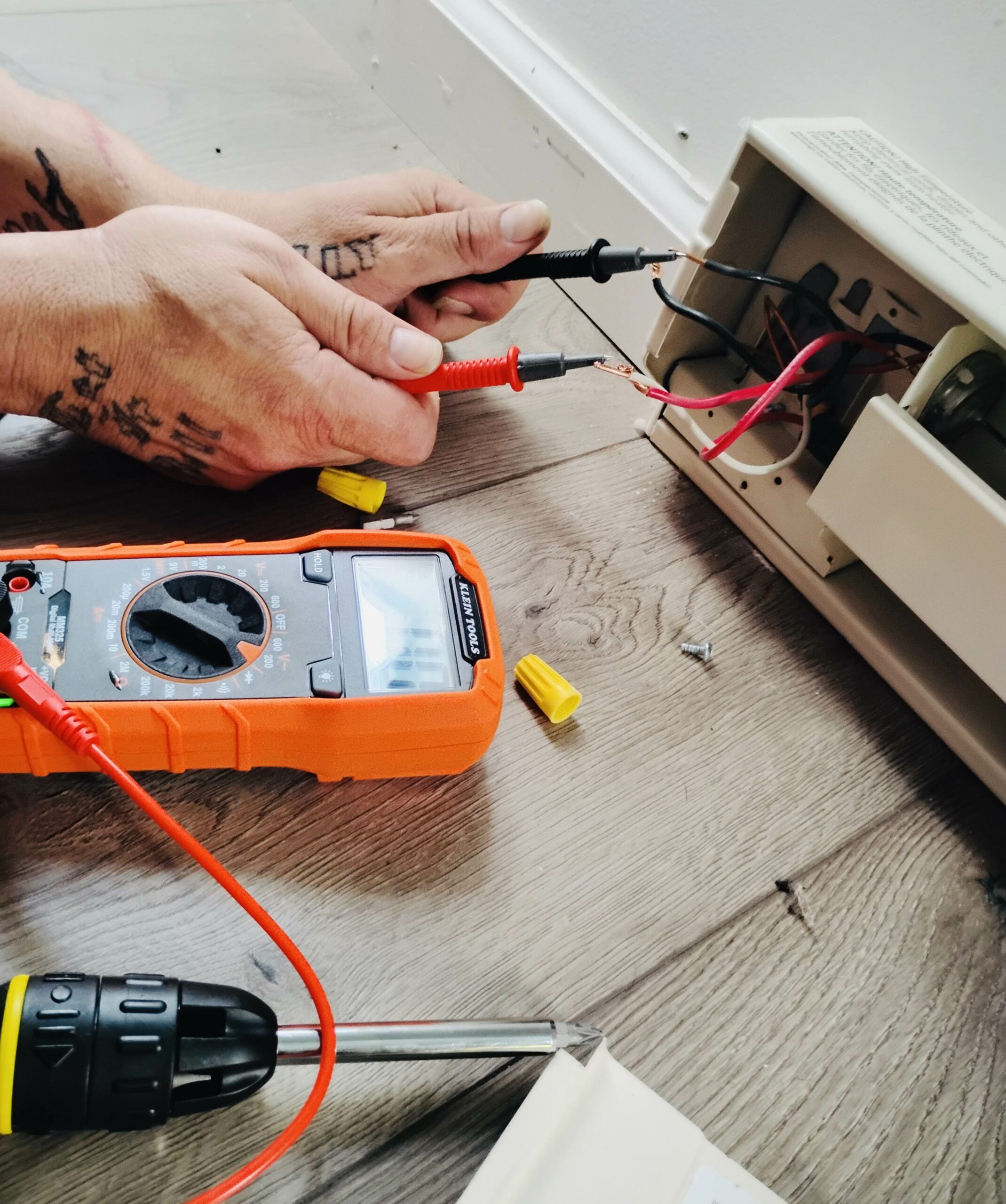
When one side of your electrical service fails, the remaining circuits can experience unstable voltage conditions.
That can lead to:
- Overheating wires
- Damaged electronics
- Breakers not behaving as expected
In some cases, it traces back to a loose connection at the panel or even at the service entrance where power comes into your home.
It’s one of those issues that shouldn’t sit for long.
Quick Answer: “Who do I call for a power outage in rural NEPA?”
If you’re unsure, use this:
- Call the utility company if your neighbors are also out or you see obvious storm damage
- Call an electrician if only your home is affected, or if you have partial power
- Start with an electrician if something feels off after power returns
That last one matters more than people expect. Not all damage shows up immediately.
A Real-World Local Pattern
We’ve seen this more than once in homes set back off the road.
You come home after being out—maybe a drive down Route 309 or a stop through town—and everything seems fine at first. Then you notice:
- Lights flicker when the well pump kicks on
- A breaker trips once… then again later
- One side of the house feels “weaker” electrically
That’s not random behavior. It’s a system reacting to stress—often triggered by a recent outage or surge.
Rural Service Lines Change the Equation
Homes in more rural parts of NEPA aren’t always dealing with short, simple service connections.
Longer runs from the pole to your house mean:
- More exposure to tree damage
- Greater wear from weather
- Higher chance of connection issues over time
If your home sits back from the road—even by a modest distance—that service line becomes a key part of the equation.
Signs the Problem Is Inside Your Home
If you’re trying to narrow things down, these are strong indicators the issue isn’t with the utility:
- Breakers that won’t reset or trip repeatedly
- Buzzing or humming from your panel
- A burning or “hot plastic” smell
- Lights dimming when appliances turn on
- Outlets suddenly losing power
These aren’t things the power company can fix—they point directly to your electrical system.
Small Clues After Power Comes Back
Sometimes the outage ends… but the story doesn’t.
After power is restored, keep an eye on:
- Appliances that don’t run the same
- Lights that flicker more than usual
- Circuits that feel “weaker”
These are often signs that a surge or interruption stressed your system.
Catching that early can prevent a bigger issue later.
Final Thoughts
In rural NEPA, power outages are part of the landscape—but not all outages are created equal.
Sometimes the problem is miles away on the grid.
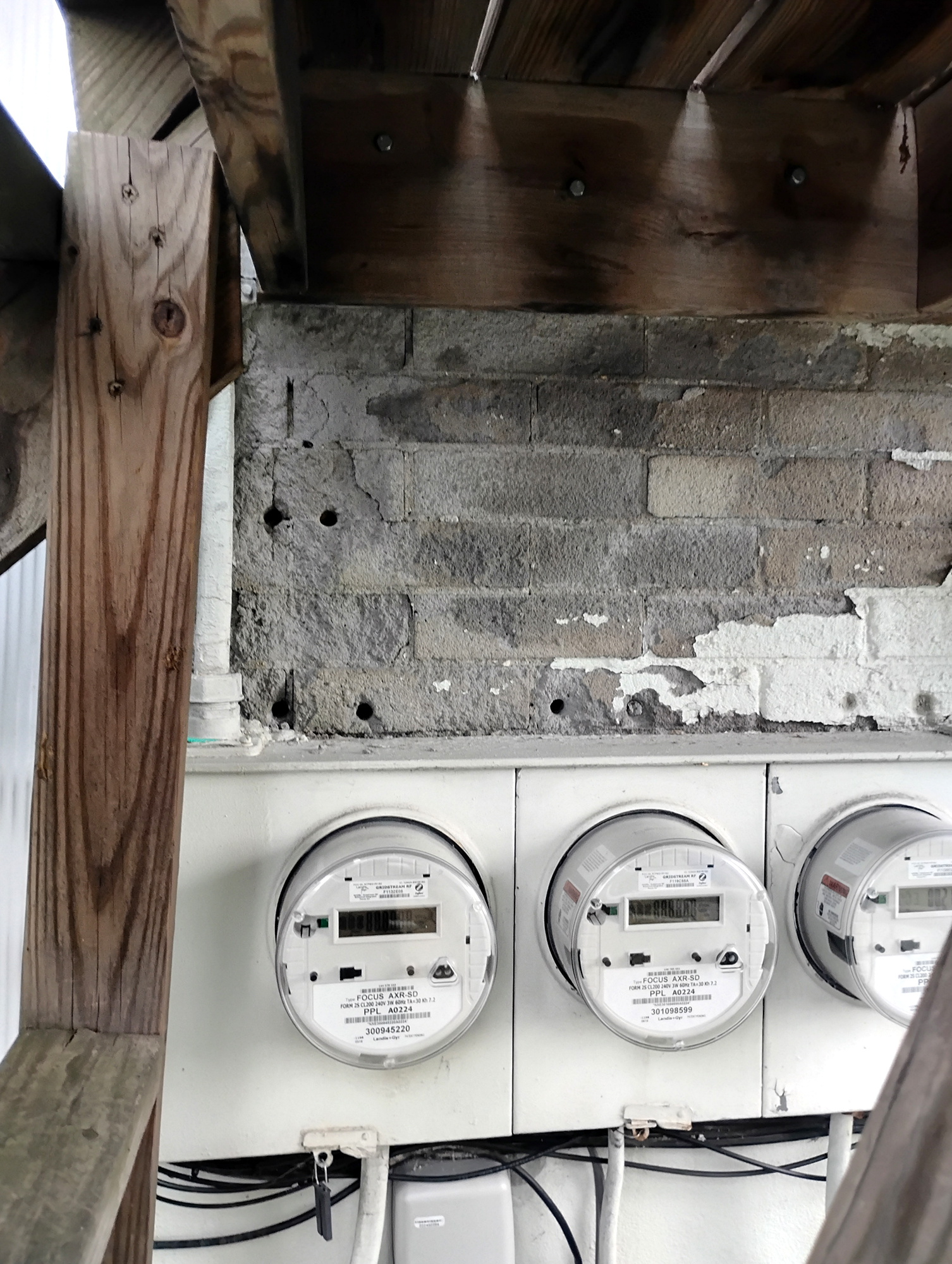
Other times, it’s right at your panel—or even at the connection point outside your home.
The key is knowing how to read the signs.
Because once you understand whether it’s a utility issue or an electrical one, everything gets simpler—and you can take the right step without second-guessing it.