
When the Kitchen Stops Matching the Wiring Behind It
Walk through older homes across Wilkes-Barre, Scranton, and nearby Luzerne County neighborhoods, and you’ll often find the same quiet mismatch: kitchens that look updated on the surface, but electrical systems that were never fully brought forward with them.
New appliances get added over time. Renovations happen in phases. But the wiring behind the walls? That usually stays rooted in the era the home was originally built.
It’s not uncommon in areas like Kingston or older Scranton residential streets off places like Wyoming Avenue to see kitchens that visually feel modern but are still running on circuits designed decades ago.
That gap is where most electrical strain begins to show.

Why Kitchens Push Electrical Systems Harder Than Any Other Room
A kitchen isn’t just another room on the circuit map—it’s the highest concentrated load in the entire home.
Even in a modest NEPA kitchen, you’re typically running:
- Refrigerator cycling on and off
- Microwave drawing high startup load
- Dishwasher heating cycles
- Coffee makers, air fryers, toasters
- Lighting plus countertop devices
What makes it challenging isn’t just the number of appliances—it’s timing. They rarely run one at a time.
In older homes around places like Shavertown or Mountain Top, where additions and remodels were layered over decades, it’s common for multiple appliances to still share circuits that were never meant to handle that kind of simultaneous demand.
The Reality Behind Older Kitchen Wiring in NEPA Homes
Instead of thinking of wiring as one system, it helps to think of it in generations.
Many homes in Northeastern Pennsylvania fall into one of these patterns:
- Original wiring designed for minimal kitchen load
- Partial upgrades done during remodels (new outlets, same circuits)
- Mixed electrical eras layered together over time
That mix creates uneven distribution. Some parts of the kitchen may be modern, while others are still tied to legacy circuits that quietly limit performance.
In homes closer to downtown Scranton or older Wilkes-Barre neighborhoods, it’s not unusual to see kitchens that have been cosmetically updated multiple times—but electrically touched only once or twice.
The Reality Behind Older Kitchen Wiring in NEPA Homes
Instead of thinking of wiring as one system, it helps to think of it in generations.
Many homes in Northeastern Pennsylvania fall into one of these patterns:
- Original wiring designed for minimal kitchen load
- Partial upgrades done during remodels (new outlets, same circuits)
- Mixed electrical eras layered together over time
That mix creates uneven distribution. Some parts of the kitchen may be modern, while others are still tied to legacy circuits that quietly limit performance.
In homes closer to downtown Scranton or older Wilkes-Barre neighborhoods, it’s not unusual to see kitchens that have been cosmetically updated multiple times—but electrically touched only once or twice.
Circuit Separation and Why It Matters More Than Most Homeowners Realize
One of the most important upgrades in older NEPA kitchens is proper load separation—making sure high-demand appliances are not competing on shared circuits.
Technical Insight: How Load Sharing Creates Electrical Strain
When multiple appliances operate on the same circuit, the current flows through a single conductor path. As demand increases, resistance in that shared path creates voltage fluctuation, which is why lights may dim or breakers may trip during peak usage.
Separating circuits reduces that shared resistance load, stabilizing voltage delivery and allowing each appliance to operate within its intended electrical range without interference from others.
This is especially important in kitchens where appliance startup loads overlap frequently.
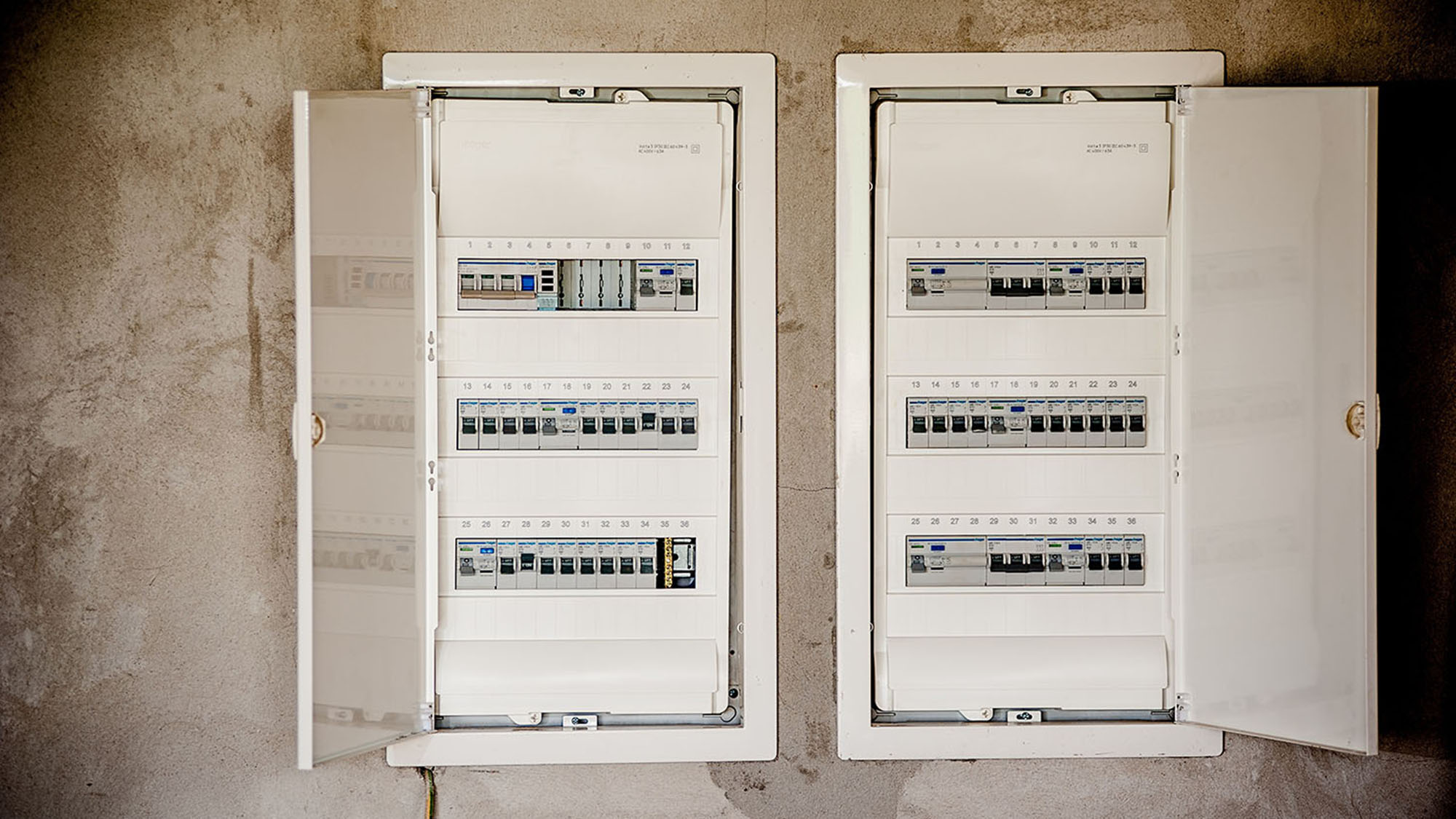
The Panel Is Often the Hidden Bottleneck
Even when wiring inside the kitchen is partially updated, the real limitation often sits one level higher: the electrical panel.
In many older NEPA homes, panels were not designed for today’s kitchen demand patterns. That creates a situation where:
- Circuits exist but capacity is limited
- Breaker space becomes constrained
- New appliances push the system closer to its ceiling
It’s not always about failure—it’s about capacity management.
Homes across areas like Clarks Summit or the hills leading toward the Poconos often reflect this gradual layering of upgrades without a full system redesign.
A Small But Important Local Reality
If you’ve ever come home after a cold walk near the Back Mountain trails or spent time outside in a NEPA winter and noticed how much energy your kitchen uses just to “get back to normal”—that’s the system at work.
Modern living places steady demand on spaces that were never originally designed to operate this way day after day.
And kitchens, more than any other area of the home, show that shift first.
When Kitchen Electrical Upgrades Start Making Sense
Not every inconvenience requires immediate action, but kitchens tend to escalate quietly when demand consistently exceeds capacity.
It becomes more noticeable when:
- Cooking routines regularly involve multiple appliances at once
- Outlet usage feels limited or inconvenient
- Electrical behavior changes during peak times (mornings, dinners)
- The kitchen has been remodeled but wiring hasn’t been fully evaluated
In many NEPA homes, especially those with decades of incremental upgrades, this is less about a single issue and more about a system slowly being asked to do more than it was originally built for.
A Practical Way to Think About It
Kitchen electrical systems aren’t static—they evolve with the home. But in older houses across Wilkes-Barre, Scranton, and surrounding communities, that evolution often happens in pieces.
A new appliance here. A remodeled countertop there. A few added outlets over time.
Eventually, those pieces start interacting in ways the original system was never designed to handle.
And that’s usually when homeowners start noticing the small signs first.