Storm-Related Electrical Problems Homeowners in NEPA Should Watch For
Talk to an ElectricianGet a Free EstimateStorm-Related Electrical Problems Homeowners in NEPA Should Watch For
When the Storm Passes, Check Your Electrical System
Storms in Northeastern Pennsylvania can bring more than heavy rain, strong winds, and a few branches down in the yard. Severe weather can also damage electrical equipment, disrupt power, expose wiring to moisture, and create hazards that are not always obvious once the skies clear.
For homeowners in Wilkes-Barre, Scranton, and surrounding NEPA communities, knowing what to look for after a storm can help prevent electrical damage from becoming a more serious safety concern. A home might regain power and appear completely normal while an outdoor outlet, electrical panel, or damaged service connection still needs attention.
Some storm-related electrical problems are easy to recognize, such as a fallen power line. Others develop more quietly, including water entering electrical equipment or a circuit that begins tripping repeatedly after power returns.
Understanding the warning signs makes it easier to know when to leave equipment alone, when to contact your utility company, and when to call a qualified electrician.
Why Storms Can Cause Electrical Problems in NEPA
Northeastern Pennsylvania experiences a range of weather conditions throughout the year. Spring and summer thunderstorms can bring lightning, heavy rainfall, and strong winds. Fall storms may bring down limbs onto overhead service lines, while winter weather can contribute to ice accumulation, damaged wiring, and power interruptions.
The effects depend on the type of storm, the condition of the home’s electrical system, and whether water or debris reaches electrical equipment.
Older homes throughout the Wilkes-Barre and Scranton area may have experienced multiple renovations or electrical upgrades over the years. That does not automatically make them unsafe, but existing wear, aging outdoor equipment, and previous repairs can influence how well an electrical system withstands severe weather.
Several types of electrical problems are particularly worth watching for after a storm:
- Damage to overhead service wires or the equipment connecting the home to utility power.
- Electrical surges that affect appliances and electronic devices.
- Water intrusion around outdoor outlets, wiring, and electrical panels.
- Breakers that trip repeatedly after power is restored.
- Damaged exterior lighting, receptacles, and electrical equipment.
- Fallen trees or branches that damage wiring or pull electrical connections loose.
Recognizing these problems early can help limit further damage and reduce the risk of electrical shock or fire.
Hidden Storm Damage: When Water and Electricity Mix
Water intrusion is one of the more concerning electrical problems after severe weather, particularly in homes with basements, older foundations, or outdoor electrical equipment.
Heavy rainfall can enter a basement through foundation openings, overwhelm drainage systems, or expose weaknesses around doors and windows. Wind-driven rain may also reach exterior outlets, light fixtures, junction boxes, and other equipment that is not adequately protected.
The danger is not limited to equipment that is completely submerged. Moisture inside electrical enclosures can contribute to corrosion, insulation failure, and unintended current paths.
Why a Flooded Basement Needs Special Attention
Basements throughout NEPA homes may contain electrical panels, receptacles, sump pumps, water heaters, and other essential equipment. When stormwater reaches these areas, it can create a dangerous combination of standing water and energized electrical components.
Never walk into a flooded basement if electrical equipment may be energized. Do not touch the panel, appliances, switches, or anything that may be electrically connected to the water.
If you suspect electrical equipment is submerged or the area may be energized, stay out and contact emergency services or the utility as appropriate. A qualified electrician must determine whether the affected equipment can be safely inspected and what needs to be repaired or replaced.
Even after visible water has receded, electrical equipment that was submerged or exposed to significant moisture may not be safe to reuse. Drying alone does not necessarily restore its electrical integrity.
Outdoor Outlets, Lights, and Wiring
Outdoor electrical equipment faces repeated exposure to rain, snow, temperature changes, and seasonal wear. A severe storm can damage covers, loosen fixtures, pull wiring away from its supports, or allow water to enter an enclosure.
After the weather clears, look from a safe distance for:
- Cracked or missing covers on outdoor receptacles.
- Exterior lights that hang loose or show visible damage.
- Exposed wiring or damaged conduit.
- Burn marks or discoloration around outdoor electrical equipment.
- Branches or debris resting on electrical lines.
Do not open outdoor electrical boxes or handle damaged wiring yourself. A qualified electrician can determine whether the equipment needs replacement, repair, or additional weather protection.
What to Do If the Power Goes Out During a Storm
A power outage does not necessarily mean your home’s electrical system has been damaged. However, the way you respond during and after an outage can help protect your appliances and reduce electrical risks.
During the outage, turn off or unplug sensitive electronics where it is safe and practical to do so. Leave one light on so you can recognize when power returns, and use flashlights rather than candles whenever possible.
If your home uses a generator, follow the manufacturer’s instructions and applicable safety requirements. Portable generators must be operated outdoors, well away from doors, windows, and other openings, to prevent carbon monoxide poisoning. They must never be connected to household wiring through an ordinary wall outlet or an improvised connection. A properly installed transfer switch or other approved transfer equipment is needed to prevent dangerous backfeeding into utility lines.
When power returns, avoid switching on every appliance at once. Allow essential systems to stabilize, then check for obvious warning signs such as unusual sounds, burning odors, or repeated breaker trips.
If your neighbors have power but your home does not, the issue may involve your home’s service equipment, an individual circuit, or the utility connection. Contact the utility or a qualified electrician depending on the nature of the problem. Do not attempt to repair service wires yourself.
How Power Surges Can Affect Your Home After Severe Weather
Storm-related electrical surges can occur during lightning activity or other disturbances affecting the electrical supply. They may also occur around power interruptions and restoration, although not every outage produces a surge.
A surge is a brief increase in voltage that can place excessive stress on electronic components. Depending on its severity and the equipment involved, it can cause immediate failure or contribute to damage that becomes apparent later.
Commonly affected equipment includes:
- Computers, televisions, and home networking devices.
- Smart thermostats and home automation controls.
- Refrigerators, washers, and other appliances with electronic control boards.
- Security cameras, alarm equipment, and connected lighting.
- Home office equipment and other sensitive electronics.
For homeowners in Wilkes-Barre, Scranton, and surrounding communities, whole-home surge protection can help limit transient overvoltage entering through the electrical supply. Plug-in surge protectors provide additional protection for connected equipment.
These devices work best as part of a properly designed electrical system with appropriate grounding and bonding. They cannot guarantee protection against every lightning event or compensate for damaged wiring.
If your home has experienced repeated electrical disturbances or you are upgrading your panel, ask an electrician whether a whole-home surge protective device is appropriate for your electrical service.
Storm Damage to Overhead Service Lines and the Electrical Panel
Strong winds and falling branches can damage overhead utility lines, service conductors, and the equipment connecting a home to the electrical supply. Ice and debris may also affect exterior electrical installations.
Some damage is obvious, such as a wire hanging low or a tree resting on a line. Other problems may be harder to recognize from the ground.
Treat every downed or sagging wire as energized, even if it appears disconnected or the neighborhood has lost power. Keep people and pets away, and report the hazard to the electric utility or emergency services. Never attempt to move a wire with a branch, broom, vehicle, or any other object.
The distinction between utility-owned equipment and customer-owned service equipment also matters. Responsibility varies by utility and installation, so the utility and a qualified electrician may both need to be involved.
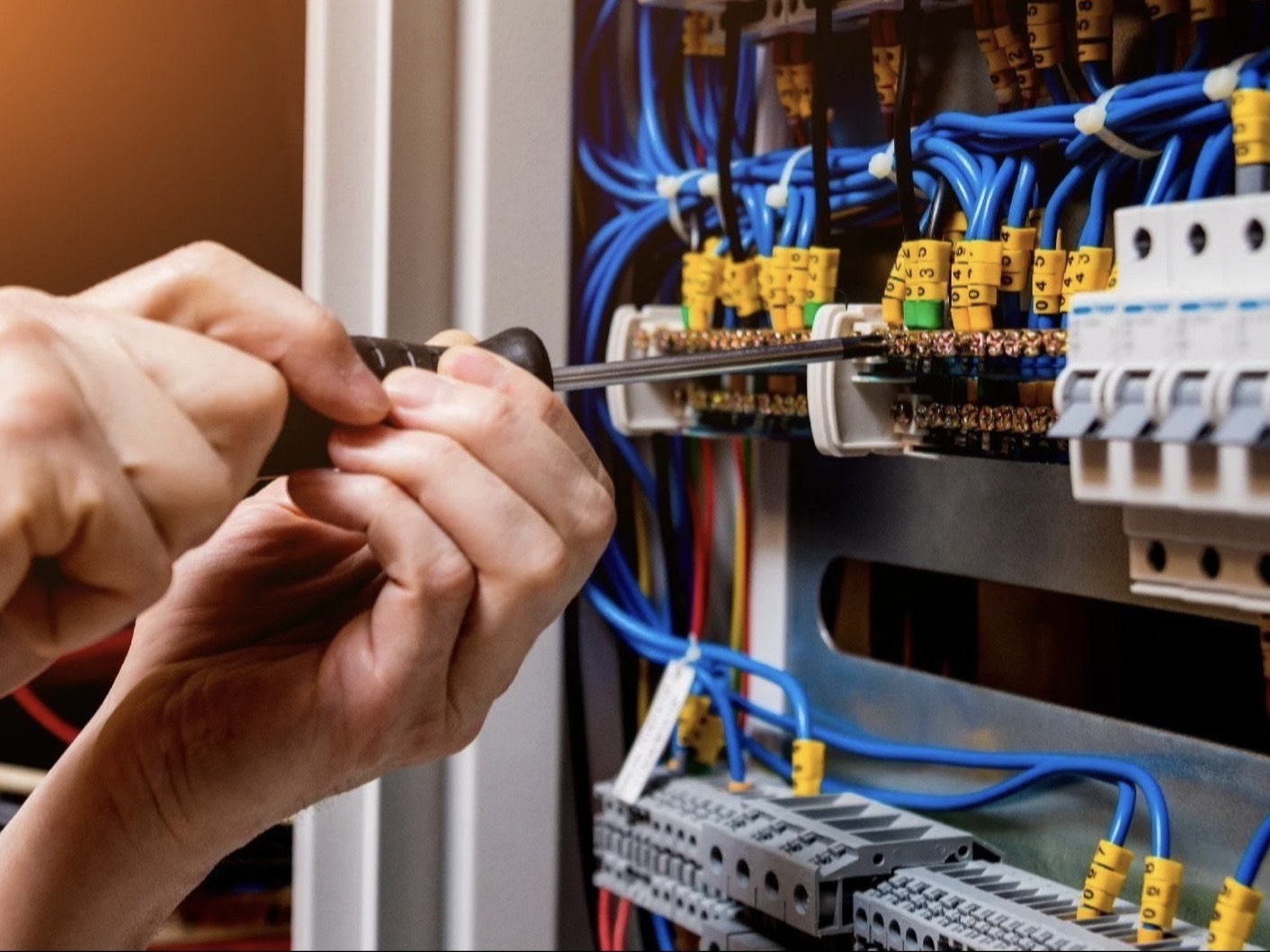
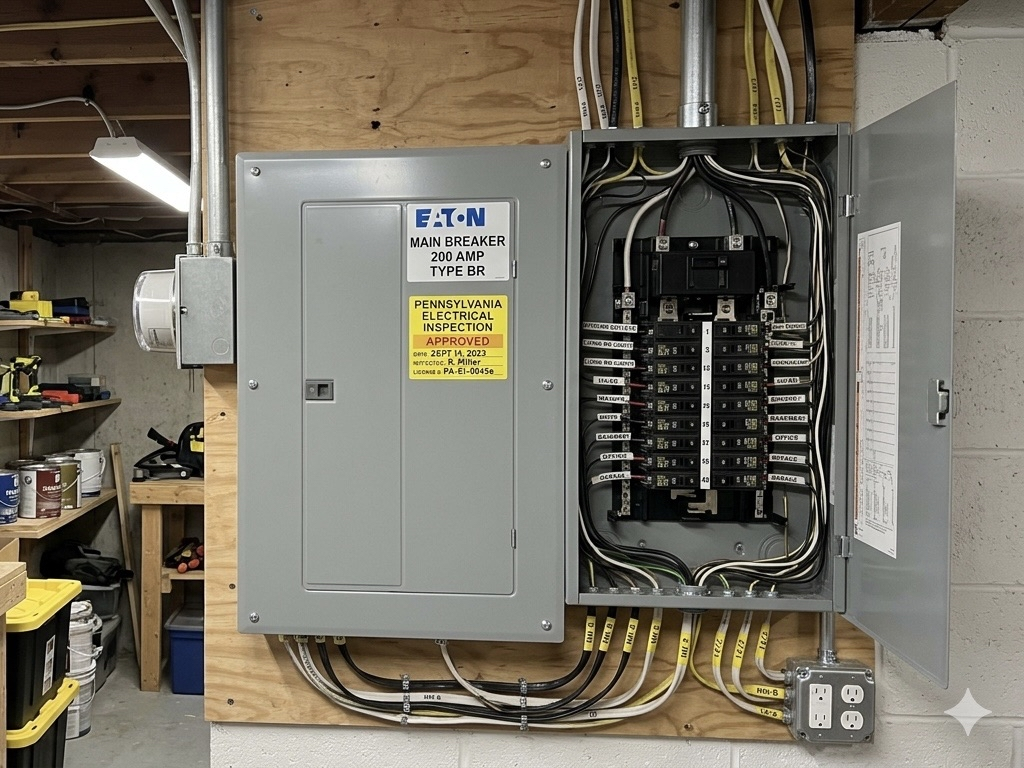
Inside the home, storm-related problems may affect the main panel or individual circuits. Water intrusion, abnormal voltage, or physical damage can compromise electrical equipment.
Do not remove the panel cover or inspect internal components yourself. If the panel has visible water damage, scorch marks, unusual buzzing, or other signs of trouble, keep clear and arrange professional assessment. If there is immediate danger, evacuate and contact emergency services.
Can You Prevent Storm-Related Electrical Problems?
No homeowner can prevent every electrical disturbance caused by severe weather. However, a few practical measures can reduce risk and make recovery easier.
Maintain outdoor electrical equipment. Have damaged covers, loose fixtures, and deteriorating wiring repaired before the next storm season. Exterior equipment should be suitable for its location and installed according to applicable requirements.
Consider whole-home surge protection. A properly selected surge protective device can help limit transient voltage entering through the electrical service. Sensitive electronics may also benefit from quality point-of-use protection.
Address known electrical issues early. Frequently tripping breakers, damaged outlets, loose fixtures, and other warning signs should not be left unresolved until a storm makes them worse.
Prepare for power outages. Keep flashlights, batteries, and emergency supplies accessible. If you rely on a generator, ensure it is installed or connected safely and that everyone in the household understands how to operate it.
Know where water can reach electrical equipment. If your basement has a history of flooding, consider how electrical equipment, sump pumps, and other essential systems could be affected. Never enter a flooded area to operate equipment that may be energized.
For older homes in Northeastern Pennsylvania, periodic electrical evaluations can also help identify deteriorated components, outdated equipment, or protection gaps before severe weather arrives.
Keep Your Home Safer After the Next Storm
Severe weather is part of life in Northeastern Pennsylvania, but electrical problems do not have to go unnoticed. From flickering lights and damaged outdoor outlets to power surges and water intrusion, recognizing the warning signs can help you respond before a small problem becomes a bigger concern.
The most important rule is simple: never touch damaged wiring, enter a flooded area that may be energized, or attempt repairs on electrical equipment that could be unsafe. Keep your family away from the hazard and involve the appropriate professionals.
Catman Electrical Contracting has served Wilkes-Barre, Scranton, and the surrounding NEPA region for more than 50 years, providing experienced electrical service with clear communication and practical solutions. If your home develops electrical problems after a storm, or you want to review your surge protection and electrical system before the next round of severe weather, a professional evaluation can help you understand what needs attention.
Contact Catman Electrical Contracting for help with storm-related electrical concerns, electrical repairs, and surge protection in Northeastern Pennsylvania.