The Most Common Electrical Hazards Found During Home Inspections
Talk to an ElectricianGet a Free EstimateHidden Problems Behind the Walls
A home inspection can reveal far more than cosmetic issues. While peeling paint or worn flooring may be easy to spot, electrical hazards often remain hidden until a qualified inspector uncovers them. These issues can affect a home’s safety, insurance eligibility, resale value, and day-to-day reliability.
Whether you’re buying an older home in Scranton, preparing to sell a property in Wilkes-Barre, or simply maintaining the house you’ve lived in for years, understanding the most common electrical hazards found during home inspections can help you make informed decisions before they become expensive—or dangerous—problems.
Electrical systems naturally age over time, and many homes throughout Northeastern Pennsylvania have seen decades of renovations, additions, and electrical upgrades. Sometimes those improvements were completed to modern standards. Sometimes they weren’t.
Outdated Electrical Panels
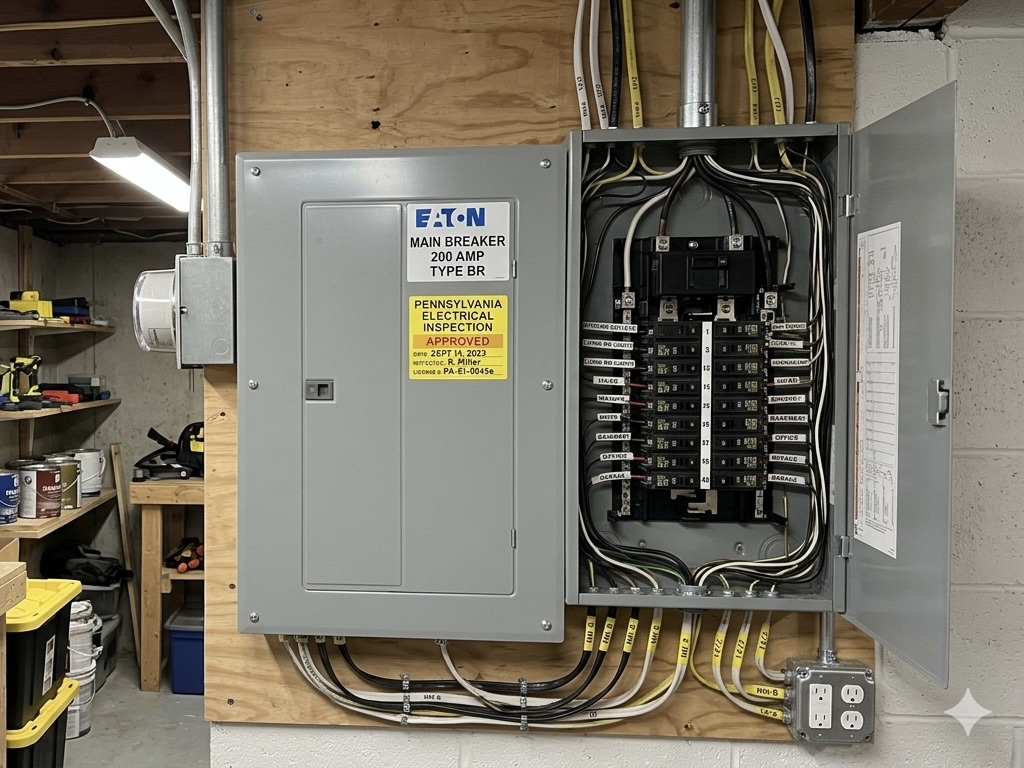
One of the first things inspectors evaluate is the home’s electrical service panel.
An older panel isn’t automatically unsafe, but certain outdated equipment has earned a reputation for reliability concerns, insufficient capacity, or deteriorating components after decades of service.
Common inspection findings include:
- Corrosion inside the panel
- Double-tapped breakers (two wires connected where only one should be)
- Missing breaker knockouts
- Improper labeling
- Overheating evidence
- Panels that no longer meet the home’s electrical demands
As households add air conditioning, home offices, electric vehicle chargers, and modern kitchen appliances, panels originally designed decades ago may be pushed well beyond their intended workload.
Overloaded Circuits
Many older homes were designed when families owned far fewer electrical devices.
Today’s homes routinely power:
- Multiple televisions
- Gaming systems
- Home office equipment
- High-powered kitchen appliances
- HVAC equipment
- Smart home devices
- Electric vehicle chargers
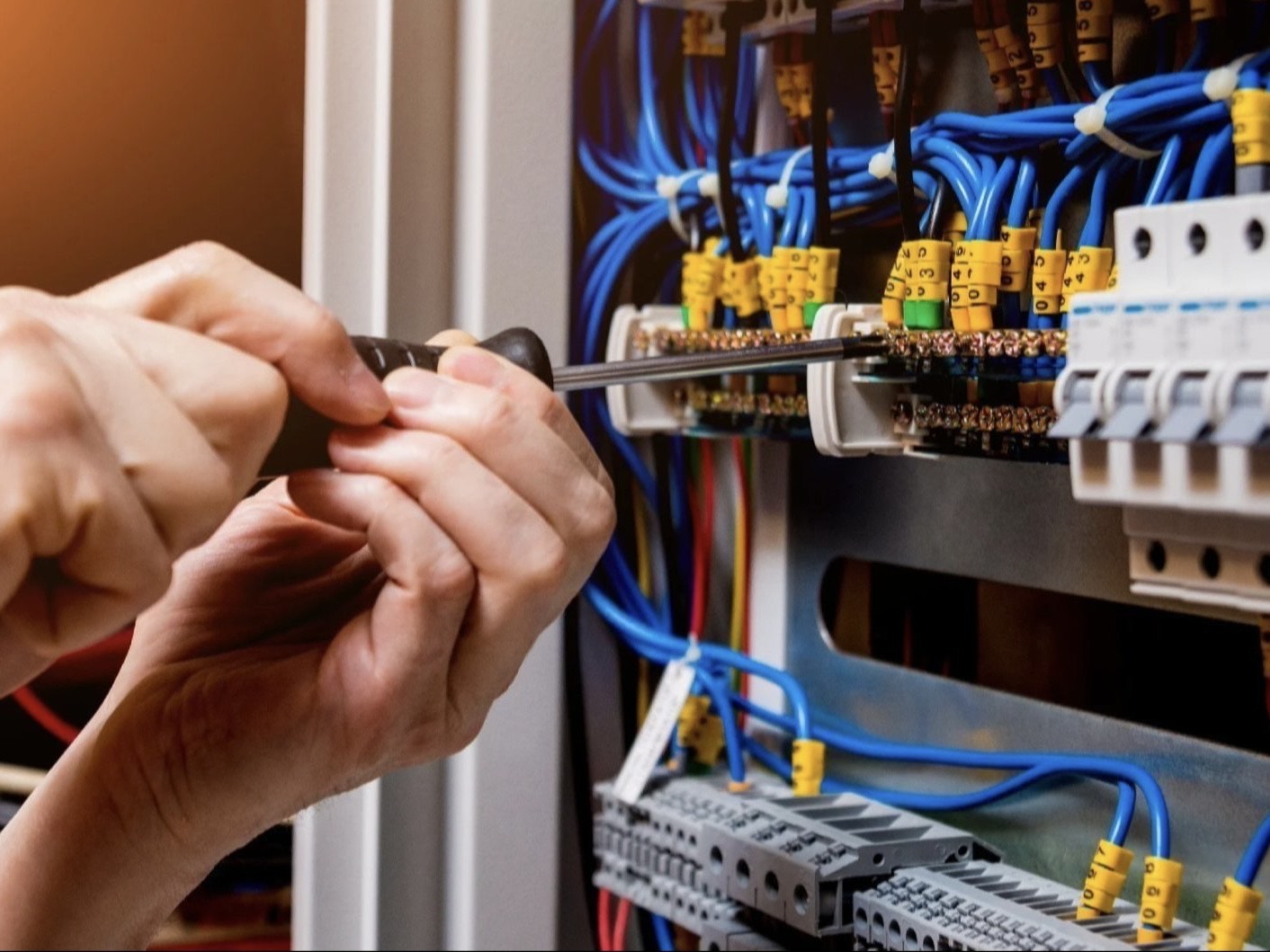
When too many devices rely on the same circuit, inspectors often discover overloaded wiring or evidence that circuits have been carrying more current than intended.
Signs include:
- Frequently tripped breakers
- Warm outlets
- Extension cords used as permanent wiring
- Flickering lights
- Scorch marks around receptacles
Aluminum Branch Wiring
Some homes built during the late 1960s and early 1970s contain aluminum branch circuit wiring instead of copper.
Aluminum wiring itself is not automatically hazardous, but it expands and contracts differently than copper. Over many years, connections may loosen if they were not installed using approved methods and compatible devices.
Inspectors often look for:
- Loose terminations
- Improper outlet replacements
- Signs of overheating
- Oxidation at connections
Proper evaluation helps determine whether corrective measures are needed.
Damaged or Deteriorated Wiring
Electrical wiring hidden behind walls generally lasts for many decades.
However, damage can occur from:
- Rodents
- Moisture intrusion
- Renovation projects
- Nails or screws penetrating cables
- Age-related insulation breakdown
Visible warning signs may include exposed conductors, cracked insulation, or unsupported wiring inside basements, attics, and crawl spaces.
Even when damage appears minor, compromised insulation increases the possibility of electrical faults.
Unsafe DIY Electrical Work
Home inspectors frequently uncover electrical work completed without permits or professional installation.
Examples include:
- Open junction boxes
- Wire splices outside approved enclosures
- Incorrect wire sizes
- Reversed polarity
- Loose wire connections
- Unsupported electrical cables
Many homeowners attempt simple electrical projects with good intentions. Unfortunately, even small mistakes may remain hidden for years before creating safety concerns.
Improper Extension Cord Use
Extension cords solve temporary problems—not permanent electrical needs.
Inspectors often find extension cords:
- Running through walls
- Hidden beneath carpets
- Used to power multiple appliances continuously
- Serving as permanent wiring for garages or workshops
These practices increase heat buildup and physical wear, both of which can lead to equipment failure or fire hazards.

Loose or Damaged Electrical Outlets
Outlets experience thousands of plug insertions during their lifetime.
Over time they may become:
- Loose
- Cracked
- Discolored
- Warm to the touch
- Unable to securely hold plugs
A loose connection creates resistance, and resistance generates heat.
This seemingly minor issue is one of the more common electrical hazards inspectors encounter.
Small Electrical Issues Often Tell a Bigger Story
Home inspections rarely uncover just one isolated electrical concern. A loose outlet, an aging panel, or missing GFCI protection may point to a system that has evolved over decades without comprehensive updates. Looking at the electrical system as a whole provides a clearer picture of both current safety and future reliability.
For homeowners across Wilkes-Barre, Scranton, and the surrounding Northeastern Pennsylvania communities, understanding these common inspection findings helps remove the mystery from an inspection report. Addressing electrical hazards early not only improves safety but also protects your home’s value and reduces the likelihood of unexpected repairs down the road.