
Better Light, Without Losing the Character
There’s a certain feel to older homes in Wilkes-Barre. Walk through neighborhoods off South Main Street or past the historic stretches near River Street, and you’ll see it—solid construction, defined rooms, and lighting that hasn’t quite kept up with how people live today.
It’s not that these homes lack light. It’s that the light isn’t working with the space anymore.
And that’s where thoughtful upgrades come in—not to modernize everything, but to make the home function better while still feeling like itself.
Why Lighting Feels “Off” in Older Homes
Most of these houses were wired in a time when lighting needs were simple. One fixture per room. Maybe a lamp or two. That was enough.
Today, it’s different. Rooms serve multiple purposes—living space, workspace, gathering space—and lighting needs to adapt.
What homeowners often notice first isn’t darkness—it’s imbalance:
- Bright in the center, dim around the edges
- Shadows where you actually need visibility
- Fixtures that feel disconnected from how the room is used
You can replace bulbs all day, but if the layout hasn’t changed, the result stays limited.
A Closer Look at What Your System Can Handle
The Quiet Limitation Behind the Upgrade
Before adding new fixtures or spreading light more evenly, there’s a practical layer to consider: what your electrical system can support.
In many Wilkes-Barre homes, especially those built mid-century or earlier, lighting circuits were designed with minimal load in mind. That doesn’t mean they’re unsafe—it just means they weren’t built for expansion.
Here’s where it gets specific:
- Lighting circuits may already be near capacity
- Adding multiple fixtures can overload a single line
- Older wiring may not include grounding needed for newer fixtures
And one detail that tends to surprise people:
You don’t hit the limit all at once.
You feel it gradually—flickering, inconsistent brightness, or breakers that trip under what feels like normal use.
That’s the system telling you it’s being pushed beyond its original design.
A Quick Local Question Homeowners Ask
“Do I need to rewire my home just to upgrade lighting?”
Not always.
In many Wilkes-Barre homes, lighting can be improved significantly without full rewiring. However, if you’re adding multiple fixtures, introducing recessed lighting, or expanding into new areas, portions of the system may need to be updated to safely handle the load.
It depends less on the age of the home—and more on how far you’re expanding the lighting setup.
Where Lighting Upgrades Actually Change Daily Living
Instead of thinking about the entire house, it’s often more useful to look at where lighting has the biggest impact.
Living Spaces That Feel Flat
A single overhead fixture tends to wash the room in light without giving it depth. Adding side lighting or secondary sources brings balance—and makes the space feel more comfortable, not just brighter.
Kitchens That Work Against You
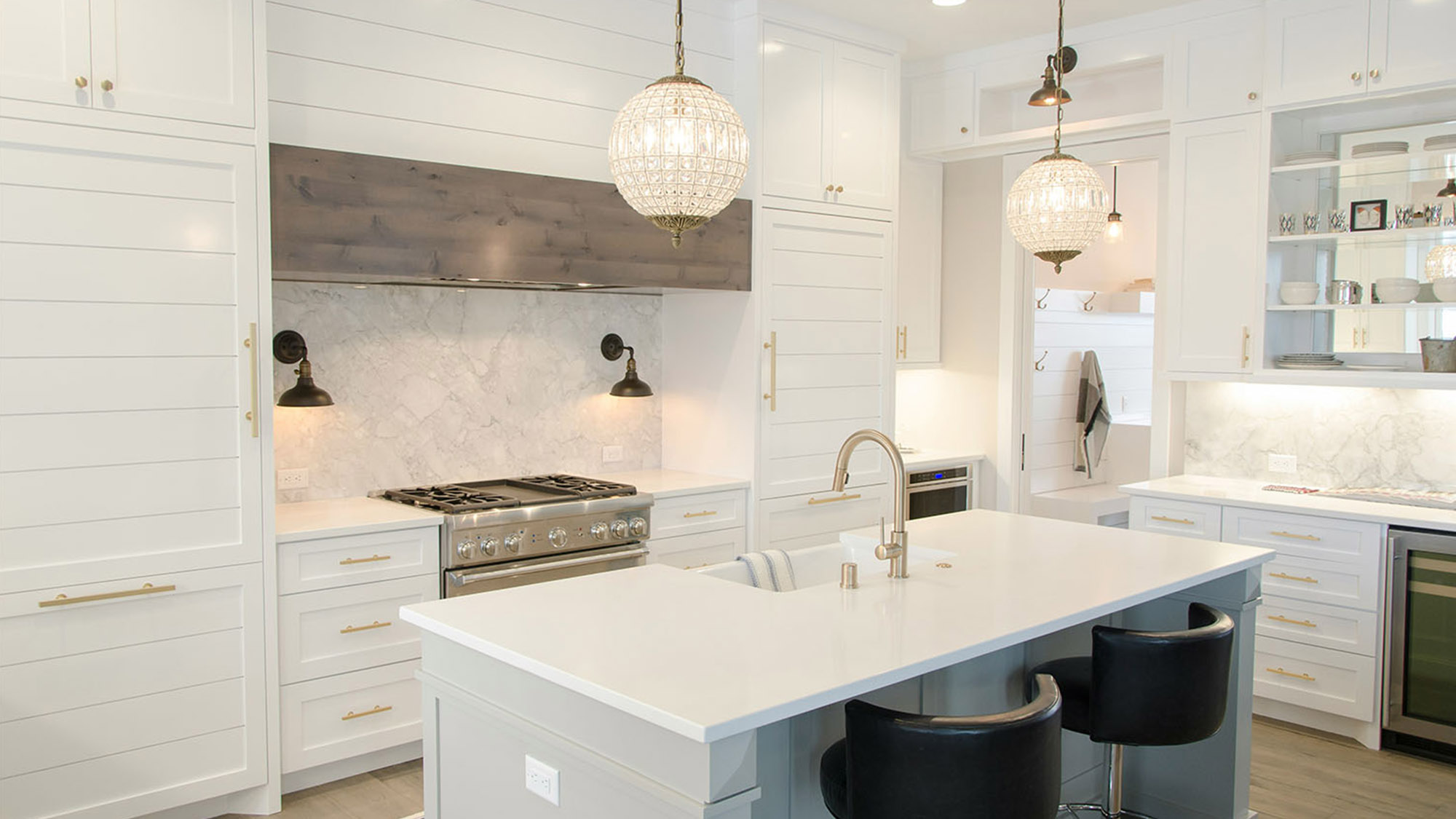
In many older homes, kitchen lighting was never designed for modern use. Shadows fall directly where you prep or cook. Adding focused task lighting shifts the room from “usable” to genuinely functional.
Hallways and Staircases
These areas are often overlooked, but in older homes they can feel dim or unevenly lit. Small upgrades here improve both safety and flow—especially at night.
A Different Way to Think About Lighting Layout
Instead of asking, “What fixture should go here?” it’s often more useful to ask:
“What should this part of the room do?”
Once you answer that, the lighting decisions become clearer.
- Areas for reading or work need focused, directional light
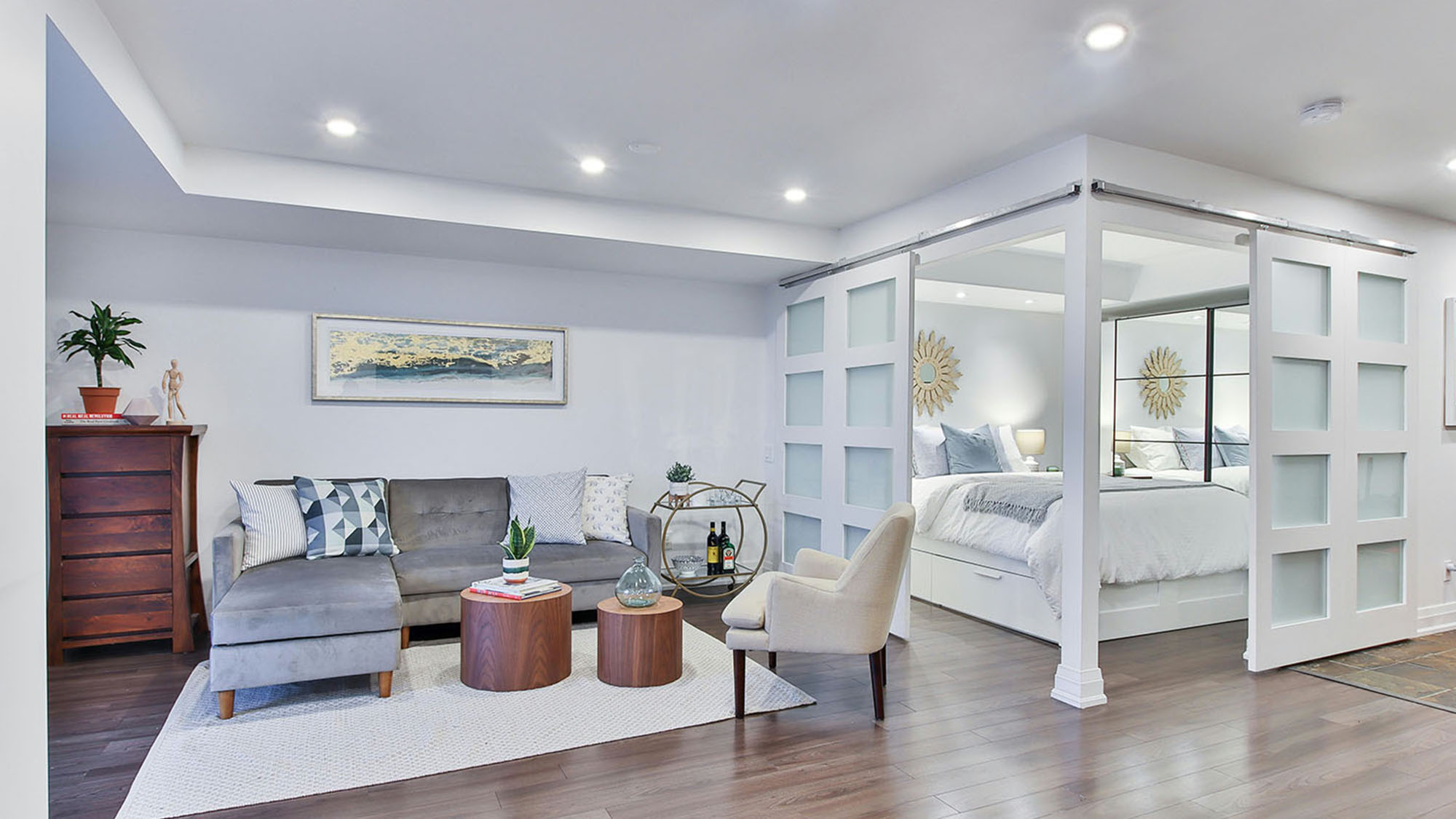
- Gathering spaces benefit from softer, layered lighting
- Transitional areas (hallways, stairs) need consistency more than intensity
It’s less about brightness, more about purpose.
A Few Situations That Come Up Often in Wilkes-Barre
Plaster Changes the Approach
Many homes still have plaster walls and ceilings. That affects how easily new fixtures can be added or relocated—it’s doable, just requires a more precise approach.
Ceiling Access Isn’t Always Simple
Tight attic spaces or finished upper levels can limit how wiring is run. That often shapes how upgrades are planned.
Preserving the Feel of the Home
There’s a balance between improving lighting and keeping the home’s character intact. In many cases, subtle changes outperform full replacements.
Small Upgrades That Don’t Feel Small
Not every improvement needs to be a major project. Some changes shift how a room feels almost immediately.
- Adding dimmer switches to control intensity throughout the day
- Choosing warmer LED tones that match the home’s natural character
- Adjusting fixture placement slightly to reduce harsh shadows
If you’ve ever walked through Public Square in the evening, you’ve seen how lighting isn’t just about visibility—it’s about atmosphere. The same idea applies inside your home, just on a smaller scale.
When It’s More Than Just Lighting
There’s a point where an upgrade stops being cosmetic and starts becoming electrical.
You might notice:
- Lights dimming when appliances turn on
- Breakers tripping after adding new fixtures
- Inconsistent performance across different rooms
At that stage, the issue isn’t the lighting—it’s the system supporting it.