Know the Warning Signs
Electrical fires rarely come completely out of nowhere. In many cases, there are warning signs that appear before wiring, outlets, switches, appliances, or electrical equipment become dangerous.
A burning smell near an outlet. A switch that feels unusually warm. Lights that repeatedly flicker. A breaker that keeps tripping.
These symptoms can be easy to dismiss, especially when everything seems to keep working. But electricity doesn’t have to stop working completely for something to be wrong. An electrical connection can deteriorate, overheat, or become damaged while a home continues operating normally.
For homeowners in Wilkes-Barre, Scranton, and throughout NEPA, recognizing these warning signs is an important part of preventing electrical problems from becoming fire hazards.
A Burning Smell Near an Outlet or Electrical Device
One of the clearest warning signs is an unusual burning odor coming from an electrical component.
You may notice a smell similar to:
- Burning plastic
- Melting insulation
- Hot rubber
- Scorched wiring
- An unexplained smoky or electrical odor
Electrical components should not produce a burning smell during normal operation.
Heat from a loose connection, overloaded circuit, damaged wiring, failing receptacle, or malfunctioning electrical device can cause surrounding materials to overheat. In some cases, insulation or plastic components may begin to deteriorate before there is visible smoke or fire.
If you smell something burning near an outlet, switch, electrical panel, or appliance, don’t assume the odor will disappear on its own.
If there is active smoke, sparking, or visible fire, leave the area and call 911. For a persistent unexplained electrical odor without an active fire, have the electrical system evaluated promptly.
Flickering or Dimming Lights
A single flicker isn’t necessarily evidence of an imminent electrical fire. Lights can briefly flicker for several reasons, including normal changes in electrical load.
But persistent or unexplained flickering deserves attention, particularly when it happens repeatedly or is associated with other electrical symptoms.
For example, if lights dim whenever a major appliance starts, there may be an issue involving the circuit, electrical connections, equipment, or overall electrical system.
In an older Wilkes-Barre or Scranton home, where electrical systems may have been modified over many years, recurring electrical symptoms are worth investigating rather than simply working around.
A professional can determine whether the problem is isolated to a fixture, related to a particular circuit, or indicative of a larger electrical issue.
Circuit Breakers That Keep Tripping
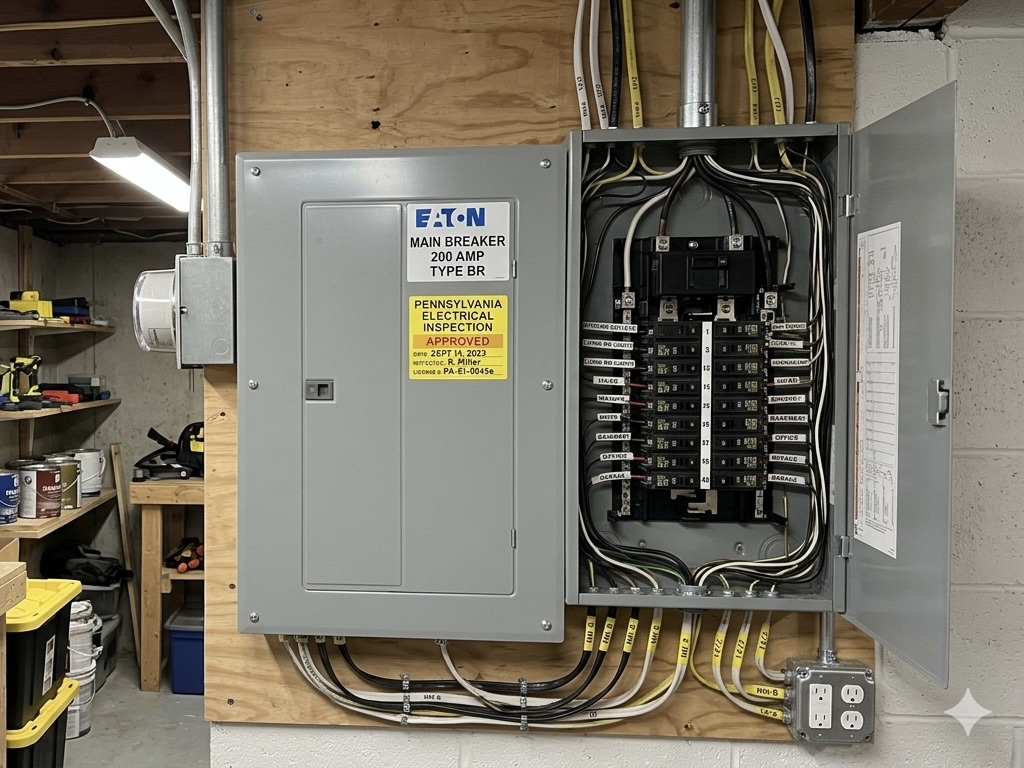
Circuit breakers are designed to interrupt electrical power when they detect conditions such as excessive current.
A breaker that trips occasionally can have a straightforward explanation. But a breaker that repeatedly trips is telling you something.
Frequent trips can be associated with:
- Circuit overloads
- Short circuits
- Ground faults
- Faulty appliances
- Damaged wiring
- Loose or deteriorating connections
- Problems with the electrical installation
One of the biggest mistakes homeowners can make is repeatedly resetting the breaker without determining why it tripped.
The breaker isn’t necessarily the problem. It may be doing exactly what it was designed to do—interrupting power because something on the circuit needs attention.
Buzzing, Crackling, or Popping Sounds
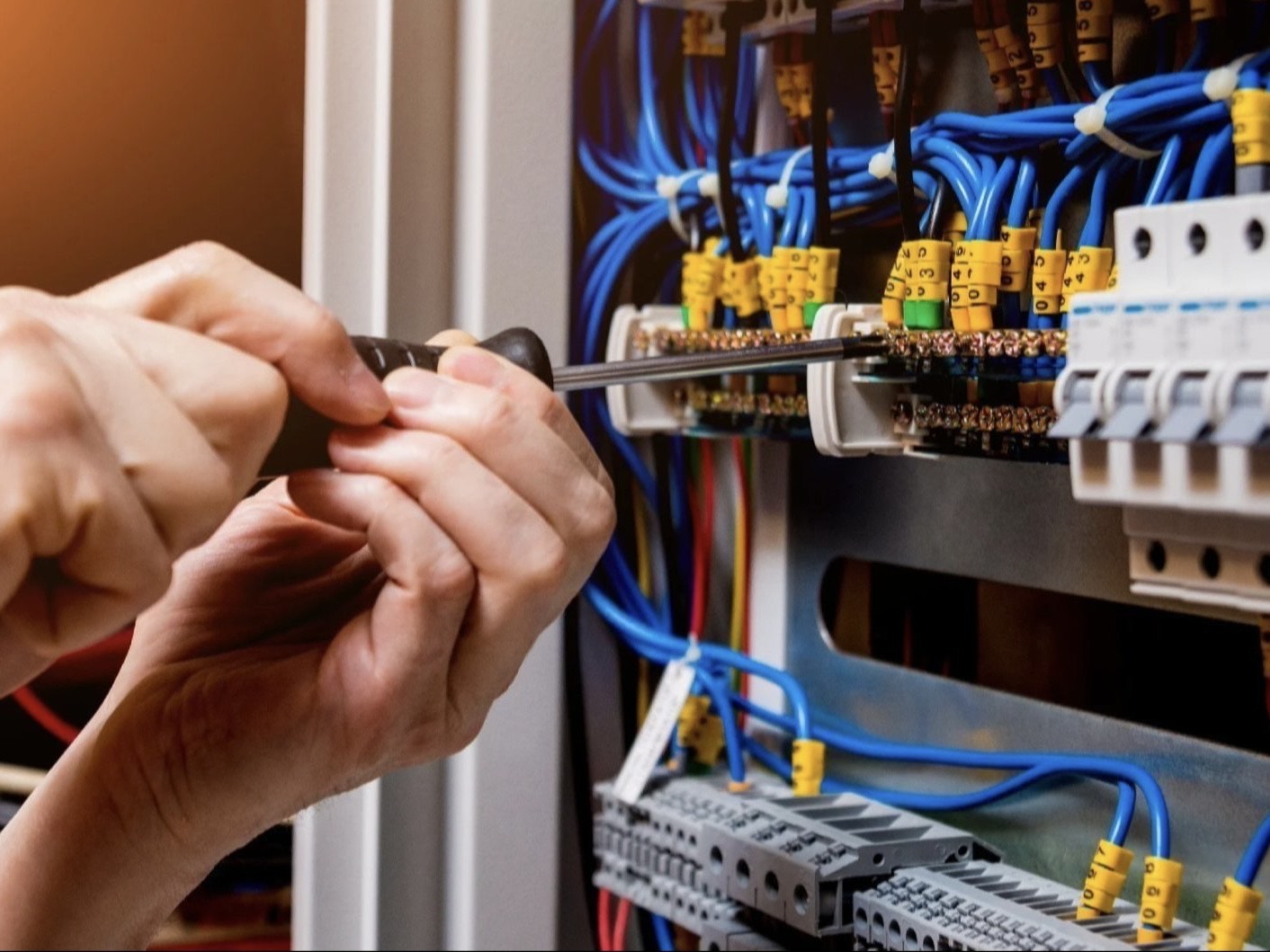
Electricity should not normally produce audible sounds from a wall outlet, switch, junction box, or electrical panel.
If you hear buzzing, crackling, sizzling, or popping, take notice.
These sounds can sometimes indicate arcing or a poor electrical connection. Electrical arcing can generate significant heat and can damage surrounding components.
You may hear the noise continuously, or only when a particular appliance is operating.
Either way, unexplained electrical sounds should not be treated as normal background noise.
If you hear persistent buzzing or crackling accompanied by a burning smell, smoke, sparks, or heat, move away from the affected area and seek professional help.
Sparks From Outlets or Switches
A tiny momentary spark can occasionally occur when certain devices are plugged in or unplugged. However, repeated, large, or unusual sparking from an outlet or switch is not something to ignore.
Warning signs include:
- Sparks that occur repeatedly
- Large or bright sparks
- Sparks coming from inside a switch or receptacle
- Burning odors following a spark
- Black marks around the outlet
- Sparks accompanied by buzzing or crackling
A spark can indicate a damaged receptacle, loose connection, failing device, or another electrical fault.
Don’t continue using an outlet simply because it still appears to work afterward.
Overloaded Power Strips and Receptacles
Power strips can provide additional plug-in locations, but they don’t magically increase the amount of electricity a circuit can safely supply.
Connecting multiple high-demand appliances to the same receptacle or circuit can create excessive electrical load.
This is especially important with equipment that draws substantial current, such as:
- Space heaters
- Portable air conditioners
- Large kitchen appliances
- Power tools
- Workshop equipment
The important question isn’t simply how many plugs are being used. It’s how much electrical load the connected equipment is placing on the circuit and whether the circuit and wiring are appropriately designed for it.
What Should You Do If You Notice a Warning Sign?
The right response depends on the severity of the situation.
If you see active smoke, flames, or significant sparking, get people to safety and call 911. Do not put yourself at risk trying to locate or extinguish an electrical fire.
For less immediate but persistent warning signs, such as a warm outlet, recurring breaker trips, unexplained buzzing, or a burning odor without visible fire, stop using the affected equipment or receptacle when it is safe to do so and arrange for an electrical inspection.
Avoid repeatedly resetting a breaker or GFCI simply to restore power without understanding why it tripped.
And don’t remove an outlet cover or open an electrical panel to investigate unless you’re qualified to perform that work safely.
Protect Your Home by Paying Attention
Electrical safety often starts with something simple: noticing when something doesn’t look, smell, sound, or feel right.
Burning odors, hot or discolored outlets, persistent flickering, repeated breaker trips, buzzing, crackling, sparking, and damaged cords are all reasons to take a closer look at the electrical system.
Your electrical system should operate quietly and consistently. When it doesn’t, don’t ignore the warning signs just because the lights are still on.
A timely electrical inspection can identify the source of the problem, determine whether repairs are needed, and help keep a small electrical issue from becoming a much larger one.