
Don’t Ignore the Signals
Your electrical panel is the heart of your home’s electrical system. Every light switch, outlet, appliance, and modern convenience depends on it working safely and efficiently. While electrical panels are designed to last for decades, they don’t last forever. As homes throughout Wilkes-Barre, Scranton, and the surrounding NEPA communities continue adding high-powered appliances, EV chargers, home offices, and smart technology, many older electrical panels are being asked to do far more than they were originally designed to handle.
The challenge is that electrical panel problems often develop gradually. Small warning signs may seem harmless until they become larger safety concerns. Understanding what to watch for can help homeowners address issues before they lead to power outages, expensive repairs, or electrical hazards.
What Does an Electrical Panel Actually Do?
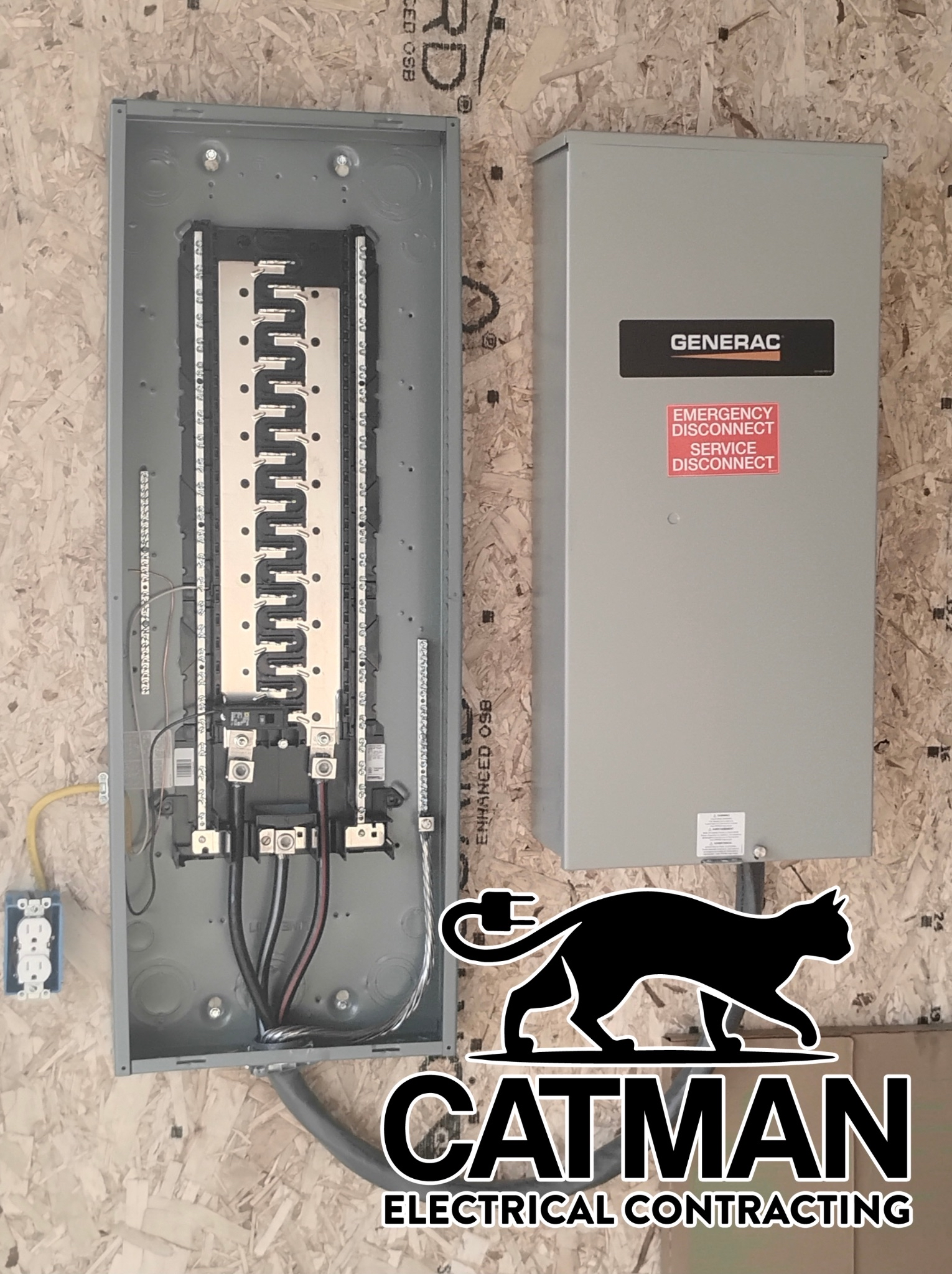
An electrical panel, sometimes called a breaker box or service panel, receives electricity from your utility company and distributes it throughout your home. Inside the panel, circuit breakers protect each electrical circuit by automatically shutting off power when they detect dangerous overloads or short circuits.
A properly functioning panel should:
- Deliver consistent power throughout the home
- Protect wiring from overheating
- Prevent overloaded circuits
- Support modern electrical demands safely
- Allow room for future electrical upgrades
When the panel begins to fail or becomes outdated, these protections may no longer work as intended.
Why It’s More Noticeable in NEPA Homes
Homes in Northeastern Pennsylvania tend to share a few common electrical traits:
- Older wiring layouts that group multiple loads on shared circuits
- Add-ons and renovations done over time (not always fully rebalanced electrically)
- Basements, kitchens, and living spaces tied into legacy panels
In neighborhoods around Scranton’s Green Ridge or older sections of Wilkes-Barre near Hazle Street, it’s not uncommon for lighting circuits and appliance circuits to still overlap in ways modern homes don’t.
That’s where dimming becomes more visible—not because something is “wrong,” but because the system is being asked to do more than it was originally designed for.
Frequent Circuit Breaker Trips
Occasional breaker trips happen for a reason. They are designed to protect your home’s wiring when too much electricity flows through a circuit.
However, breakers that trip repeatedly—even after reducing the electrical load—often indicate a larger issue.
Possible causes include:
- An aging electrical panel
- Worn or weakened breakers
- Increased electrical demand beyond panel capacity
- Internal damage within the panel
- Loose electrical connections
If multiple breakers trip regularly throughout the home rather than just one circuit, the electrical panel itself deserves closer inspection.
Burning Smells or Signs of Heat
Electricity should never produce noticeable odors.
If you detect a burning smell near your electrical panel, or if the panel feels unusually warm to the touch, turn off power if it is safe to do so and contact a qualified electrician immediately.
Other warning signs include:
- Melted insulation
- Brown or black discoloration
- Scorch marks
- Smoke
- Buzzing combined with heat
Heat usually indicates excessive electrical resistance, which can damage wiring and increase fire risk if left unaddressed.
You Rely on Too Many Extension Cords
Extension cords are useful temporarily.
When they become permanent solutions because there aren’t enough outlets or circuits available, they may indicate that your home’s electrical system has outgrown its original design.
This often happens after homeowners add:
- Home offices
- Entertainment systems
- Garage workshops
- Kitchen appliances
- Window air conditioners
- Electric vehicle charging equipment
An overloaded panel may not have enough available circuits to support these additions safely.
The Panel Is More Than 30 to 40 Years Old
Age alone does not automatically mean an electrical panel must be replaced.
Many older panels continue operating safely after decades of service. However, electrical technology, safety standards, and household power demands have changed significantly over time.
An aging panel should be evaluated if it:
- Frequently trips breakers
- Shows signs of corrosion
- Has outdated components
- Has experienced previous electrical damage
- No longer meets the home’s electrical needs
Routine inspections become increasingly valuable as electrical systems age.
When Replacement Becomes the Safer Choice
Electrical panels rarely fail overnight. More often, they give homeowners clear warning signs long before serious problems develop. Frequent breaker trips, flickering lights, unusual sounds, overheating, corrosion, or an inability to support modern electrical demands all point toward the need for a professional evaluation.
For homeowners throughout the Wilkes-Barre, Scranton, and greater NEPA region, recognizing these signs early can help prevent costly damage while keeping the home’s electrical system safe, reliable, and ready for future upgrades. A modern electrical panel provides the capacity today’s homes require while continuing to protect the people and property that depend on it every day.