Don’t Ignore That Smell
A strange burning smell coming from an outlet has a way of stopping people in their tracks — and it should.
Sometimes it’s faint and intermittent. Sometimes it smells like melting plastic, hot dust, or overheated electronics. In older homes throughout Wilkes-Barre, Scranton, and the surrounding NEPA communities, homeowners occasionally assume the odor is “just old wiring” or a temporary appliance issue.
But electrical burning smells should never be brushed off.
An outlet that smells hot or burnt can indicate overheating wires, damaged connections, overloaded circuits, arcing electricity, or failing devices behind the wall. In some cases, the issue is relatively isolated. In others, it can become a fire hazard surprisingly quickly.
The important thing is knowing how to respond calmly — and safely.
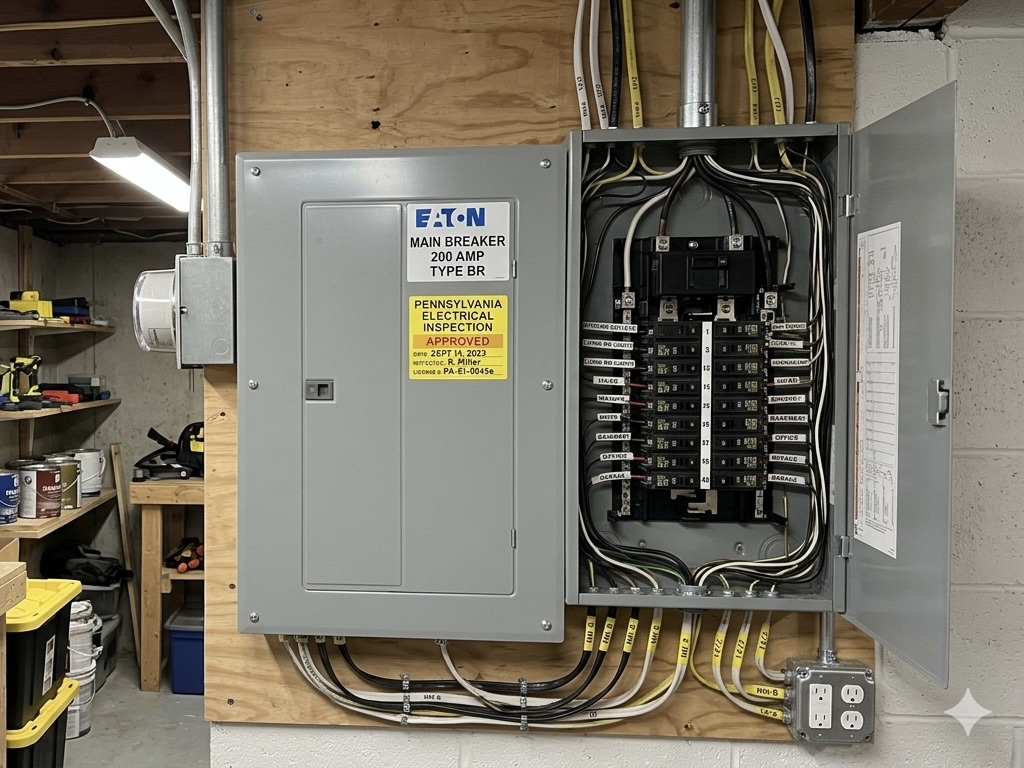
What That Burning Smell Usually Means
Electrical systems are designed to move electricity efficiently with minimal heat buildup. When something begins overheating, materials inside the outlet or wiring system can start breaking down.
That smell is often the first warning sign.
Depending on the situation, homeowners may notice:
- A fishy or chemical-like odor
- A hot plastic smell
- A smoky or charred scent
- Warm air near the outlet
- Discoloration around the receptacle
- Buzzing or crackling sounds
The odor itself comes from components heating beyond their intended operating temperature.
And unlike a tripped breaker or flickering light, smell tends to indicate the problem may already be actively developing.
The First Thing to Do: Stop Using the Outlet
This is where many people accidentally make the problem worse.
If you smell burning from an outlet:
- Unplug anything connected to it if it is safe to do so
- Do not continue testing devices in the outlet
- Do not “wait and see” if the smell goes away
- Avoid touching the outlet if it feels hot
Continuing to draw power through an overheating outlet can escalate the damage very quickly.
If the outlet is sparking, smoking, making noise, or feels extremely hot, it is safest to shut off power to that circuit at the breaker panel immediately.
Why Heat Around Outlets Is So Dangerous
Most electrical problems are hidden behind walls.
That’s what makes outlet overheating particularly concerning. Damage often occurs inside the electrical box where homeowners cannot see it directly.
As electrical resistance increases, wiring connections begin generating excess heat. Over time:
- Wire insulation can deteriorate
- Terminal screws can loosen further
- Plastic outlet components can melt
- Arcing can begin between damaged connections
Arcing is especially dangerous because it can create extremely high temperatures in short bursts, sometimes igniting nearby combustible materials inside the wall cavity.
In many homes across Northeastern Pennsylvania, aging electrical systems add another layer of risk. Homes built decades ago may contain older receptacles, aging breakers, or wiring connections that have already experienced years of thermal expansion and contraction through harsh winters and humid summers.
Sometimes the Outlet Isn’t the Real Problem
One of the more misleading aspects of burning smells is that the visible outlet is not always the root cause.
The issue could involve:
- A loose wire connection upstream
- An overloaded circuit
- A failing breaker
- Damaged wiring inside the wall
- An appliance pulling excessive current
- Backstabbed outlet connections loosening over time
This is why simply replacing the outlet itself does not always solve the issue.
The outlet may only be the symptom of a larger electrical load or wiring problem elsewhere on the circuit.
Common Causes of Burning Outlet Smells
Loose Electrical Connections
Electricity depends on tight, stable contact between wires and terminals.
When connections loosen, resistance increases. Increased resistance creates heat. Heat damages the connection further, which creates even more heat.
It becomes a cycle.
Loose connections are one of the most common causes of outlet overheating in older homes
Overloaded Circuits
Modern households place enormous demand on electrical systems.
Space heaters, gaming systems, air fryers, portable AC units, and home office equipment can overload older branch circuits that were designed decades ago for much lighter use.
If multiple high-demand devices share the same circuit, outlets may begin overheating long before a breaker trips.
Damaged or Worn-Out Outlets
Outlets wear out over time.
Plugs that slip loosely into receptacles are often a sign the internal contacts have weakened. Weak contact points create poor electrical transfer and increased heat buildup.
In homes with older receptacles, especially heavily used kitchen or living room outlets, deterioration is common.
Faulty Appliances
Sometimes the problem originates from the device plugged into the outlet rather than the wiring itself.
Appliances with damaged motors, frayed cords, or internal faults may draw irregular current or generate heat at the plug connection.
This is one reason burning smells should always be investigated carefully instead of assuming the outlet alone is defective.
A Quick Comparison of Common Warning Signs
|
Symptom |
Possible Cause |
Risk Level |
|
Warm outlet cover |
Overloaded circuit or loose connection |
Moderate to high |
|
Burning plastic smell |
Melting insulation or receptacle damage |
High |
|
Buzzing or crackling |
Arcing electricity |
High |
|
Brown or black discoloration |
Heat damage inside outlet |
High |
|
Intermittent odor only during appliance use |
Appliance overload or failing device |
Moderate to high |
It’s about what happens in the exact moment something goes wrong.
Winter Electrical Demand Makes Problems More Common
Electrical issues tend to spike during colder months in Northeastern Pennsylvania.
That’s partly because homes rely more heavily on:
- Portable heaters
- Electric blankets
- Supplemental heating equipment
- Holiday lighting
- Additional indoor appliance use
Older electrical systems already operating near capacity may struggle during periods of increased winter demand.
This is one reason overloaded outlets and overheating receptacles become especially common during NEPA winters.

Small Electrical Warnings Rarely Stay Small Forever
One faint smell today can become significant wiring damage months later.
Electrical systems usually give warning signs before major failures happen:
- Warm outlets
- Flickering lights
- Occasional breaker trips
- Buzzing switches
- Burning odors
The challenge is that these signs often appear gradually enough for homeowners to normalize them.
People adapt. They avoid using one outlet. They stop plugging multiple things into a certain room. They remember which breaker acts “a little weird.”
But electrically, those are signals the system may need attention.
A Burning Smell Is Never Something to Ignore
Most outlets should operate for years without producing noticeable heat, odor, noise, or discoloration.
So when an outlet suddenly smells like something is burning, the safest assumption is that something is wrong until proven otherwise.
Sometimes the issue is relatively straightforward, like a worn receptacle or damaged appliance cord. Other times, it points to deeper electrical concerns hidden inside walls or within an aging circuit.
Either way, catching the issue early matters.
Because with electrical systems, small warning signs are often exactly what prevent larger emergencies later on.