
Peace of Mind Starts Here
For most homeowners, the electrical system is easy to take for granted—until something goes wrong.
Lights turn on, outlets work, appliances run, and life moves forward. Because so much of a home’s electrical infrastructure is hidden behind walls, many problems develop quietly over time. Aging components, outdated wiring, overloaded circuits, and safety hazards often remain unnoticed until they trigger a larger issue.
That’s one reason professional electrical inspections are so valuable.
Whether you’re buying a home, selling one, planning renovations, experiencing electrical concerns, or simply maintaining an older property, a professional electrical inspection provides a clearer understanding of the health and safety of your electrical system.
For homeowners throughout Wilkes-Barre, Scranton, Dallas, Clarks Summit, Mountain Top, and the broader NEPA region, knowing what happens during an inspection can help remove uncertainty and make the process far less intimidating.
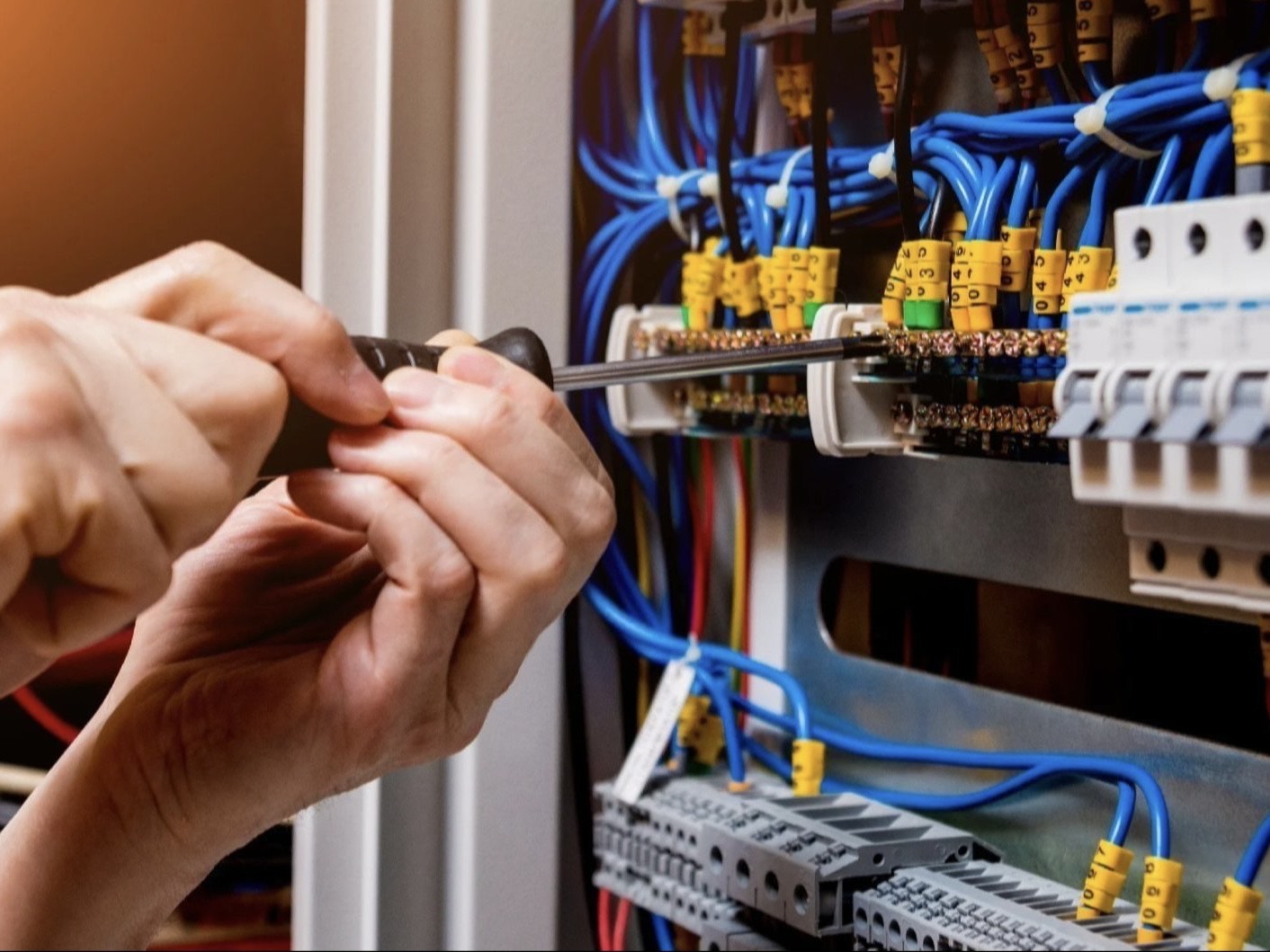
An Electrical Inspection Is About More Than Finding Problems
Many people assume an inspection is simply a search for code violations or defects.
In reality, a professional electrical inspection is a comprehensive evaluation of how safely and effectively a home’s electrical system is functioning.
The goal is to identify:
- Potential safety hazards
- Signs of wear or deterioration
- Outdated electrical components
- Capacity limitations
- Areas that may require future attention
- Opportunities for improved safety and performance
In many cases, homeowners discover that their system is in better condition than expected. In others, an inspection reveals issues that can be addressed before they become costly or dangerous.
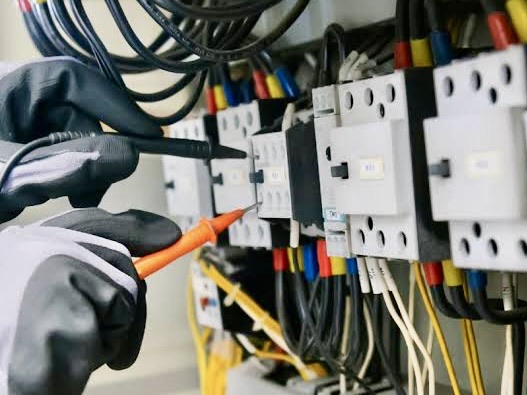
The Electrical Panel Is Usually a Major Focus
The electrical panel serves as the control center for the home’s entire electrical system.
Because so much electrical activity flows through this single location, inspectors typically spend significant time evaluating its condition.
Areas commonly examined include:
- Panel age
- Breaker condition
- Proper labeling
- Signs of overheating
- Corrosion
- Evidence of improper modifications
- Available capacity for future electrical needs
Older homes throughout Northeastern Pennsylvania sometimes contain panels that were installed decades ago. While age alone doesn’t necessarily indicate a problem, older equipment often warrants closer evaluation.
Wiring Conditions Matter More Than Most Homeowners Realize
Because wiring is hidden, homeowners rarely have direct visibility into its condition.
A professional electrical inspection evaluates signs that may indicate wiring concerns throughout the property.
Potential issues can include:
- Aging insulation
- Improper connections
- Unauthorized modifications
- Damaged wiring
- Outdated electrical systems
- Overloaded circuits
In older homes throughout Wilkes-Barre and Scranton, portions of the electrical system may have been modified multiple times over several decades. An inspection helps identify where upgrades have been performed properly and where additional attention may be needed.
Outlets and Switches Reveal Valuable Clues
Something as simple as an outlet can tell an experienced electrician quite a bit about the overall health of a system.
During an inspection, outlets and switches are often evaluated for:
- Proper grounding
- Secure installation
- Damage or wear
- Correct wiring
- GFCI protection where required
- Signs of overheating
A loose outlet or warm switch may seem minor, but it can sometimes indicate larger electrical concerns behind the scenes.
Safety Devices Receive Careful Attention
Modern electrical systems include several layers of protection designed to reduce the risk of shocks, fires, and equipment damage.
A professional inspection often evaluates whether these safety features are present and functioning properly.
Common Safety Components Reviewed
|
Safety Feature |
Purpose |
|
GFCI Protection |
Reduces shock risk near water |
|
AFCI Protection |
Helps prevent electrical fires |
|
Grounding Systems |
Directs fault currents safely |
|
Surge Protection |
Protects electronics and appliances |
|
Circuit Breakers |
Prevents overload conditions |
Many older homes were built before some of these protections became standard. An inspection can identify opportunities to improve overall safety without requiring a complete system replacement.
Not all flickering is equal—and the pattern tells you a lot.
| What You Notice | What It Points To |
| One light flickers occasionally | Fixture or bulb issue |
| Lights dim when heat kicks on | Normal load response (sometimes) |
| Multiple rooms flicker together | System-wide strain or panel issue |
| Flickering getting worse over time | Connection or capacity problem developing |
If it’s spreading or becoming more frequent, it’s worth paying attention to.
Why Older Homes Often Benefit the Most
NEPA is filled with beautiful older homes.
From historic properties in Scranton and Wilkes-Barre to long-established homes throughout Dallas, Clarks Summit, and Mountain Top, many houses in the region were built during periods when electrical demands looked very different from today.
Modern households place tremendous demands on electrical systems through:
- Home offices
- High-efficiency appliances
- Entertainment systems
- HVAC equipment
- Electric vehicle charging
- Smart home technology
An inspection helps determine whether older infrastructure continues to meet these evolving needs safely.
Confidence Through Clarity
A professional electrical inspection isn’t about expecting the worst.
It’s about replacing uncertainty with information.
For homeowners, that information can provide reassurance, reveal opportunities for improvement, and help prioritize future upgrades. For buyers and sellers, it can help facilitate smoother real estate transactions. For families living in older homes, it can offer valuable insight into the condition of one of the property’s most important systems.
Whether your home is five years old or fifty, understanding the state of your electrical system is an investment in safety, reliability, and peace of mind.
And when it comes to the systems powering your home every day, clarity is never a bad thing.