
Electrical problems do not always give you much warning. A breaker that trips once may be a minor issue, while a burning smell, sparking outlet, or exposed wiring can signal an immediate safety hazard.
For homeowners and businesses in Wilkes-Barre, Scranton, and throughout Northeastern Pennsylvania, knowing the difference between a routine electrical repair and a true electrical emergency can help you respond appropriately—and avoid turning a manageable problem into a fire, shock, or major property-damage situation.
What Counts as an Electrical Emergency?
An electrical emergency is generally a problem that creates an immediate risk to people, property, or the electrical system itself. If continuing to use the affected circuit or equipment could make the situation more dangerous, it should be treated seriously.
Common examples include:
- Smoke or a burning smell coming from an outlet, switch, panel, or electrical device
- Sparks, arcing, or visible flashes from electrical equipment
- Exposed or damaged energized wiring
- Electrical fire or signs of overheating
- An electrical shock or repeated shocks from an appliance, outlet, or other equipment
- Water coming into contact with electrical components
- A main electrical panel making unusual buzzing, crackling, or popping sounds
- A service or electrical component that appears severely damaged after a storm, accident, or other event
- A sudden electrical problem accompanied by heat, smoke, or visible damage
The important distinction is not simply whether the electricity has stopped working. The question is whether the condition could cause immediate harm if left alone.
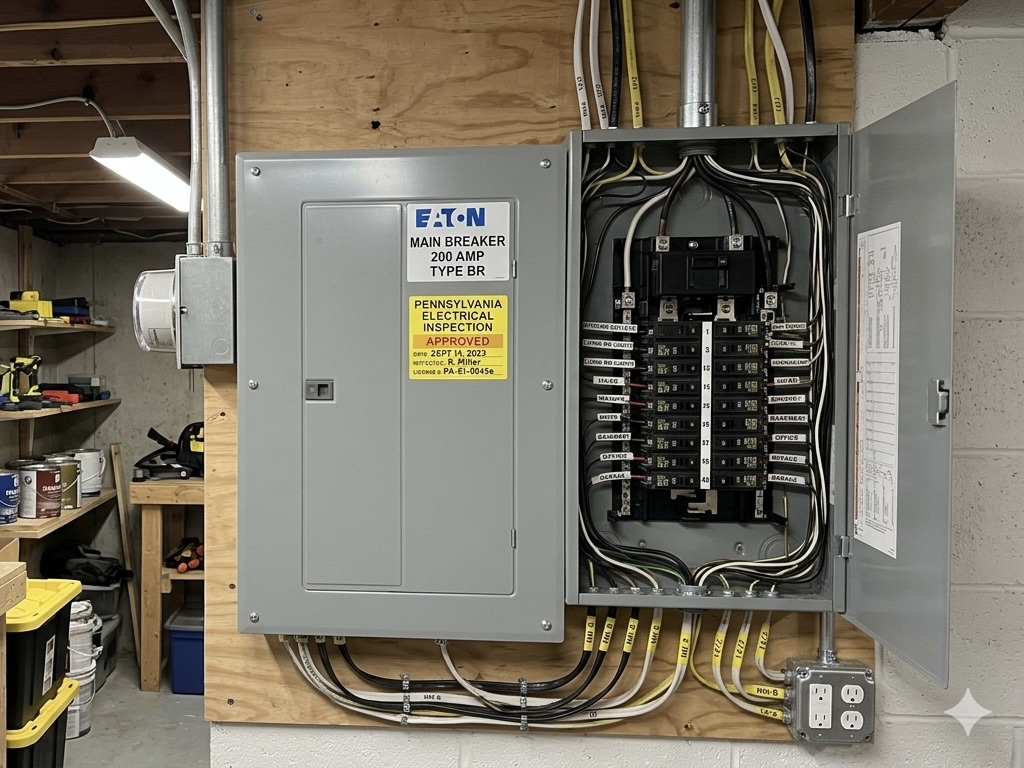
A Burning Electrical Smell Should Never Be Ignored
A strange odor around an outlet, switch, light fixture, appliance, or electrical panel can be one of the earliest signs of an electrical problem.
When electrical components overheat, surrounding plastic, insulation, or other materials can begin to deteriorate. In some cases, the smell may be described as burning plastic or an unusual chemical-like odor.
This is especially concerning when the smell is accompanied by:
- A warm or discolored outlet
- Flickering lights
- Buzzing or crackling
- A tripped breaker
- Smoke
- Visible melting or scorching
Do not keep using the affected outlet or appliance simply to see whether the problem goes away. An electrician can determine whether the issue involves a loose connection, overloaded circuit, damaged wiring, failing equipment, or another electrical fault.
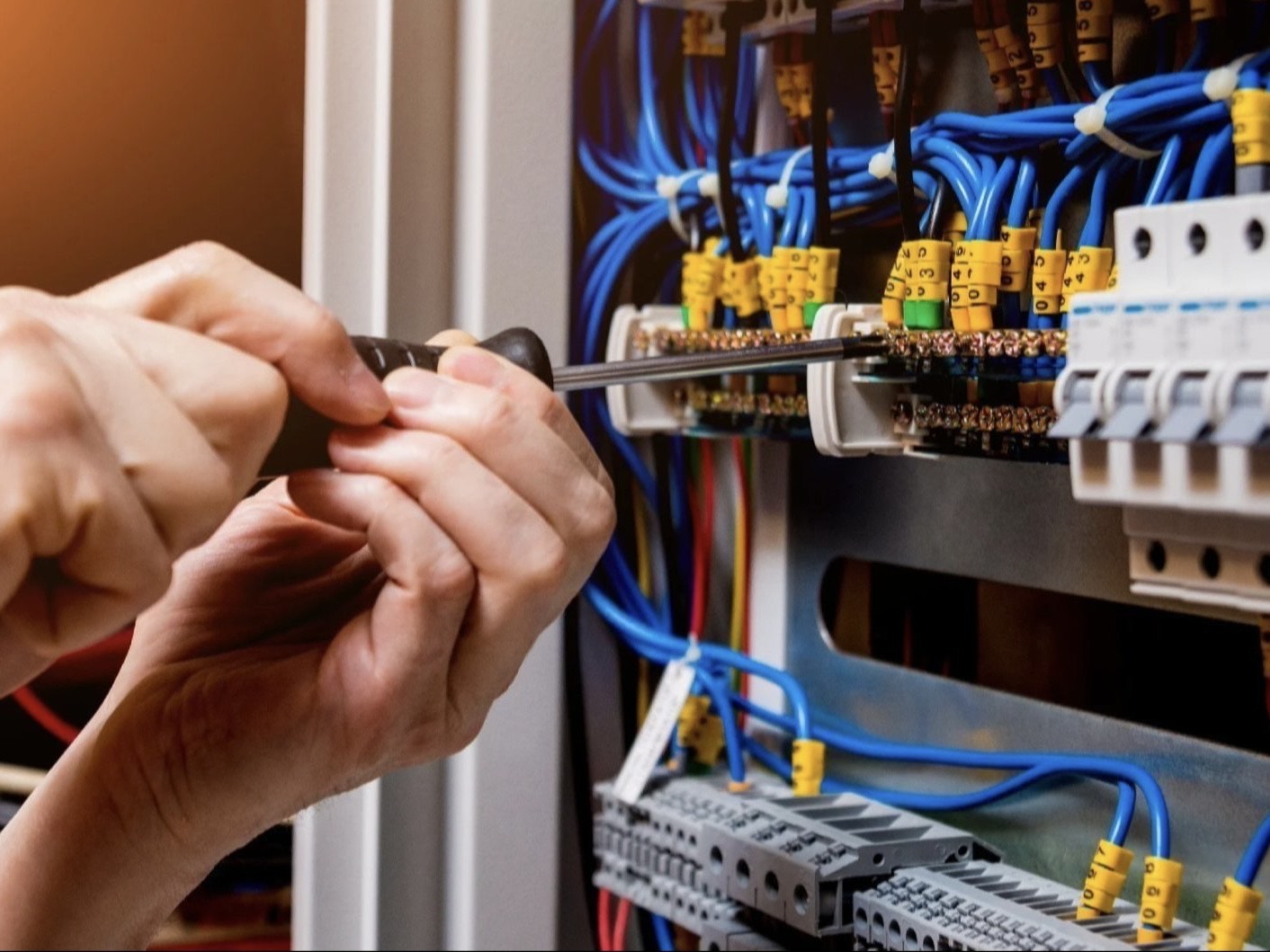
Sparks and Arcing Are Red Flags
A brief, controlled spark can occur in some electrical equipment under normal operating conditions. But unexpected sparks, repeated arcing, or visible flashes from an outlet, switch, panel, or wiring should not be considered normal.
Arcing happens when electricity jumps across a gap rather than traveling through the intended conductive path. That can produce significant heat and damage electrical components.
If you see persistent sparking or arcing, keep people away from the area and avoid touching the equipment. If there is smoke or an active fire, leave the building and contact emergency services.
Electrical Problems Involving Water Need Immediate Attention
Water and electricity are a dangerous combination.
If water reaches an outlet, electrical panel, appliance connection, extension cord, or other energized electrical component, do not assume that simply drying the area makes it safe.
This can happen after:
- Basement flooding
- A plumbing leak
- A roof leak
- Storm damage
- Water entering an exterior electrical component
- A burst pipe
If it is safe to do so without entering a wet area or touching compromised equipment, shut off power to the affected area. If you are unsure whether the electrical system can be safely accessed, stay away and get professional help.
Electrical Shock Is Always Worth Taking Seriously
If someone receives an electrical shock from an appliance, outlet, switch, or other equipment, the cause should be investigated—even if the shock seems minor.
A shock can indicate that current is traveling somewhere it should not, potentially because of faulty wiring, grounding problems, damaged equipment, moisture, or another electrical defect.
If someone is actively in contact with an energized source, do not touch the person directly. Disconnect the power source if it can be done safely, call emergency services when appropriate, and seek medical attention for significant shocks or injuries.
Not Every Electrical Problem Requires an Emergency Call
Some electrical issues are important without being immediate emergencies.
For example, these problems generally call for timely electrical service but may not present the same immediate danger as smoke or exposed energized wiring:
|
Electrical Problem |
Typical Concern |
|
One light stops working |
Bulb, fixture, switch, or circuit issue |
|
One outlet stops working |
Outlet, breaker, GFCI, or wiring issue |
|
Occasional breaker trip |
Possible overload or equipment issue |
|
Flickering lights |
Connection, fixture, voltage, or circuit problem |
|
Need for additional outlets |
Electrical capacity and installation concern |
|
Planning an EV charger |
Load calculation and proper installation |
|
Older electrical panel |
May warrant evaluation depending on condition and system needs |
The exact situation matters. A seemingly minor symptom can become more urgent when accompanied by heat, smoke, burning odors, repeated tripping, sparks, or visible damage.
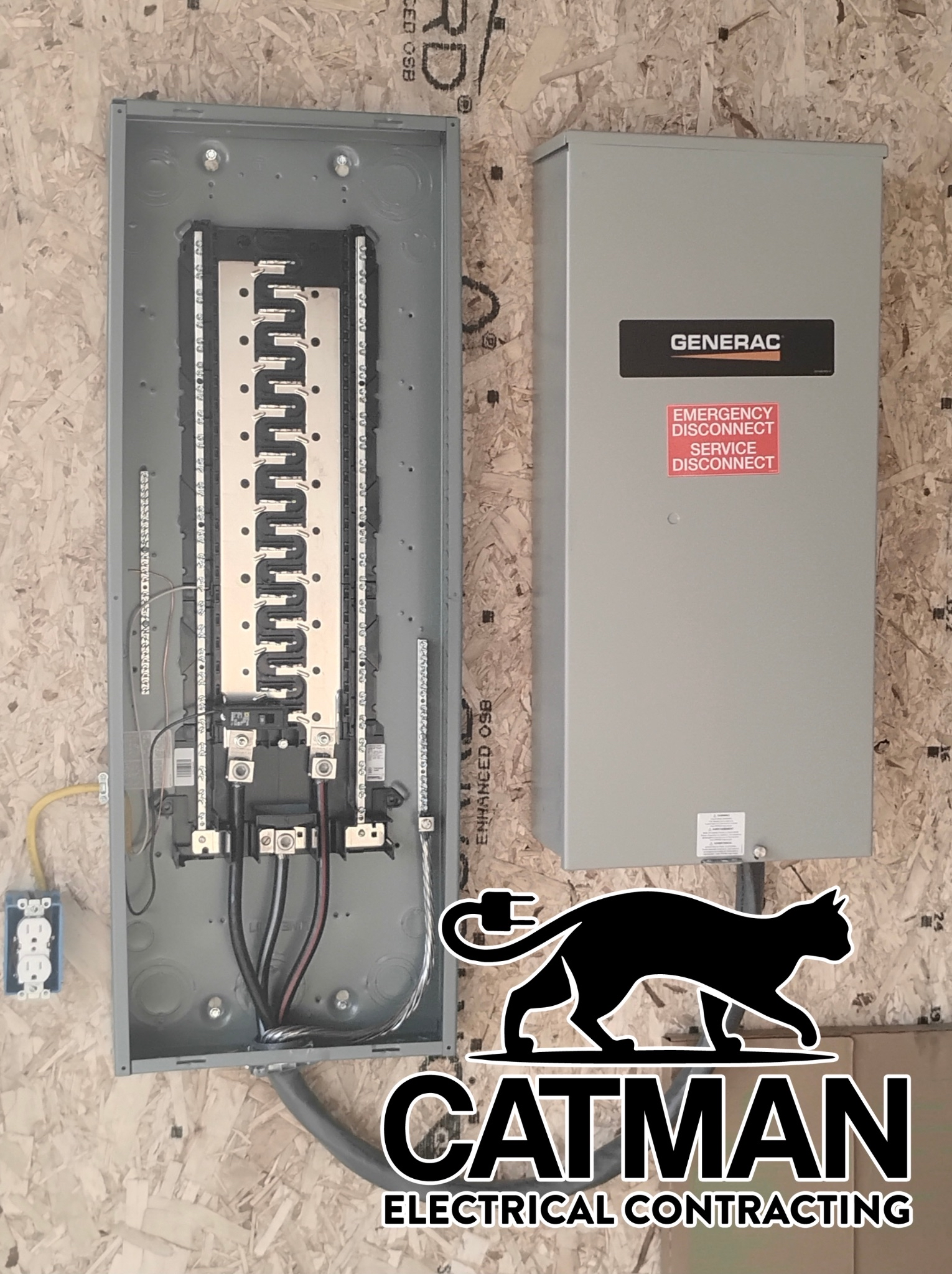
Why Electrical Emergencies Can Be More Complicated in Older Homes
Northeastern Pennsylvania has plenty of older homes, including properties that have undergone multiple renovations over the years. An electrical system may have been modified several times as homeowners added appliances, finished basements, remodeled kitchens, or converted spaces into offices and living areas.
That history matters.
A house may have a mixture of newer and older electrical components, previous repairs, added circuits, or equipment that was installed for electrical demands that no longer match how the home is used.
This is one reason an electrical emergency should be approached as a diagnostic problem rather than simply a matter of getting the power back on.
The goal is not just to reset a breaker or replace a damaged outlet. The underlying cause needs to be identified so the same dangerous condition does not continue.
The Simple Rule: If It Looks, Smells, or Sounds Wrong, Stop Using It
Homeowners do not need to diagnose an electrical emergency themselves.
A useful rule is to pay attention to unusual heat, smell, sound, appearance, or behavior.
If an electrical component is smoking, sparking, burning, melting, unusually hot, visibly damaged, or repeatedly causing breakers to trip, stop using the affected equipment and get the situation evaluated.
For Wilkes-Barre, Scranton, and surrounding NEPA homeowners, having a clear understanding of what constitutes an electrical emergency can make a stressful situation easier to handle. Catman Electrical Contracting has more than 50 years of experience working on electrical systems throughout the region, from urgent repairs to larger electrical upgrades.
When electricity starts behaving in a way it should not, taking the warning seriously is often the safest decision.