In a lot of homes around Wilkes-Barre, breaker trips don’t start as a major problem. They show up quietly—once in a while, then a little more often, then suddenly it’s part of your routine.
Flip the breaker. Reset. Move on.
But when it keeps happening, especially in older homes around neighborhoods off South Main Street or heading out toward Kingston, it’s usually not random. It’s the electrical system reaching a limit it was never designed to handle long-term.
The System Was Built for a Different Life
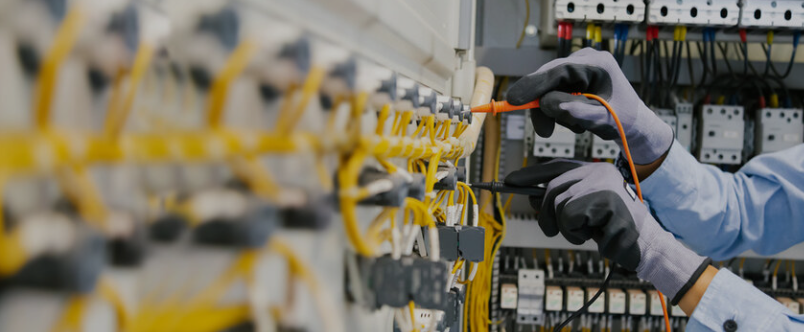
A lot of homes in this area were wired when electrical use was simple. Lighting, maybe a few outlets per room, and not much else.
Fast forward to today, and those same homes are carrying:
- Full kitchen appliance loads
- Heating support in winter (space heaters, baseboard units)
- Work-from-home setups
- TVs, routers, chargers running constantly
The wiring didn’t change. The lifestyle did.
And that gap shows up as breaker trips.
Why the Kitchen (and Winter) Expose Everything
There’s a reason homeowners notice this most in two situations: mornings in the kitchen and cold nights in the winter.
After grabbing coffee near Public Square or heading home from work, the house ramps up quickly—heat kicks on, appliances start running, lights come on all at once.
Common trigger combinations:
- Microwave + coffee maker + toaster
- Space heater + TV + lighting
- Dryer running while HVAC cycles
Individually, these are fine.
Together, on older circuits? That’s where breakers start stepping in.
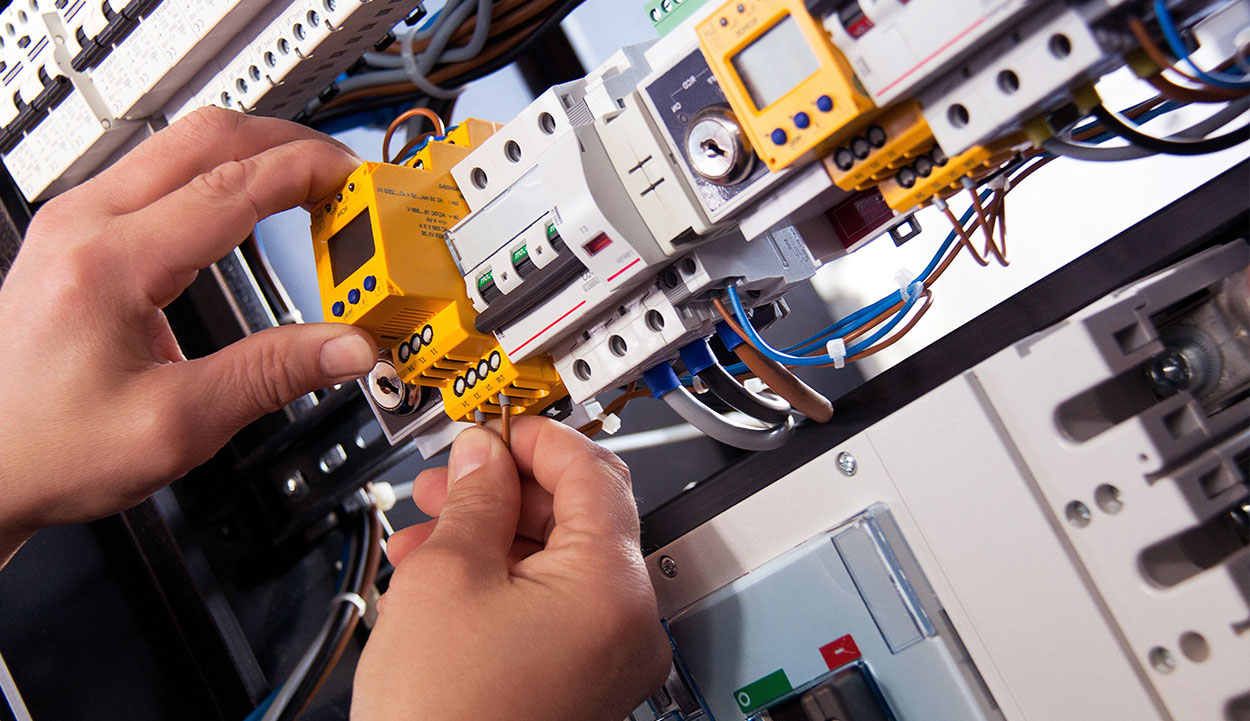
What Your Breaker Is Actually Protecting
Breakers don’t trip to annoy you—they trip to prevent overheating.
Here’s a simplified way to look at it:
|
Circuit Type |
Designed Load |
What Happens in Reality |
|
15-amp circuit |
~1,800 watts |
Often pushed beyond limit |
|
20-amp circuit |
~2,400 watts |
Still shared across rooms |
|
Older wiring |
Lower tolerance |
Heats faster under load |
The breaker shuts things down before wires overheat behind the walls. So when it trips, it’s doing exactly what it’s supposed to do.
Why Distance Matters More in Local Homes
In areas just outside Wilkes-Barre—larger lots, farmhouse layouts, split additions—distance becomes part of the problem.
What happens over longer runs:
Electricity loses efficiency as it travels through wire. That’s called voltage drop.
- Longer wire = more resistance
- More resistance = less voltage at the outlet
- Lower voltage = devices pull more current
That last part is key.
Your appliances compensate by drawing more power, which pushes the circuit closer to its limit—even if you’re not using more devices than usual.
A Quick Answer Homeowners Ask All the Time
“Why does my breaker trip when I plug in a space heater?”
Because space heaters are high-draw devices, often pulling close to the full capacity of a standard circuit. In older homes around Wilkes-Barre, those circuits are rarely dedicated—so the heater shares power with lights or outlets, pushing the total load over the limit.
That’s why it may work fine alone, but trip when something else turns on.
Not All Breaker Trips Are the Same
Some trips are predictable. Others are warning signs.
Here are two that deserve a closer look:
Breaker trips instantly when reset
This usually points to a short circuit or ground fault. Something isn’t just overloaded—it’s wired incorrectly or failing.
Breaker trips after a few minutes
More typical of overload. The circuit heats up under demand, then shuts off once it crosses the safe threshold.
Both matter—but the first one needs quicker attention.
The Hidden Factor: Aging Components
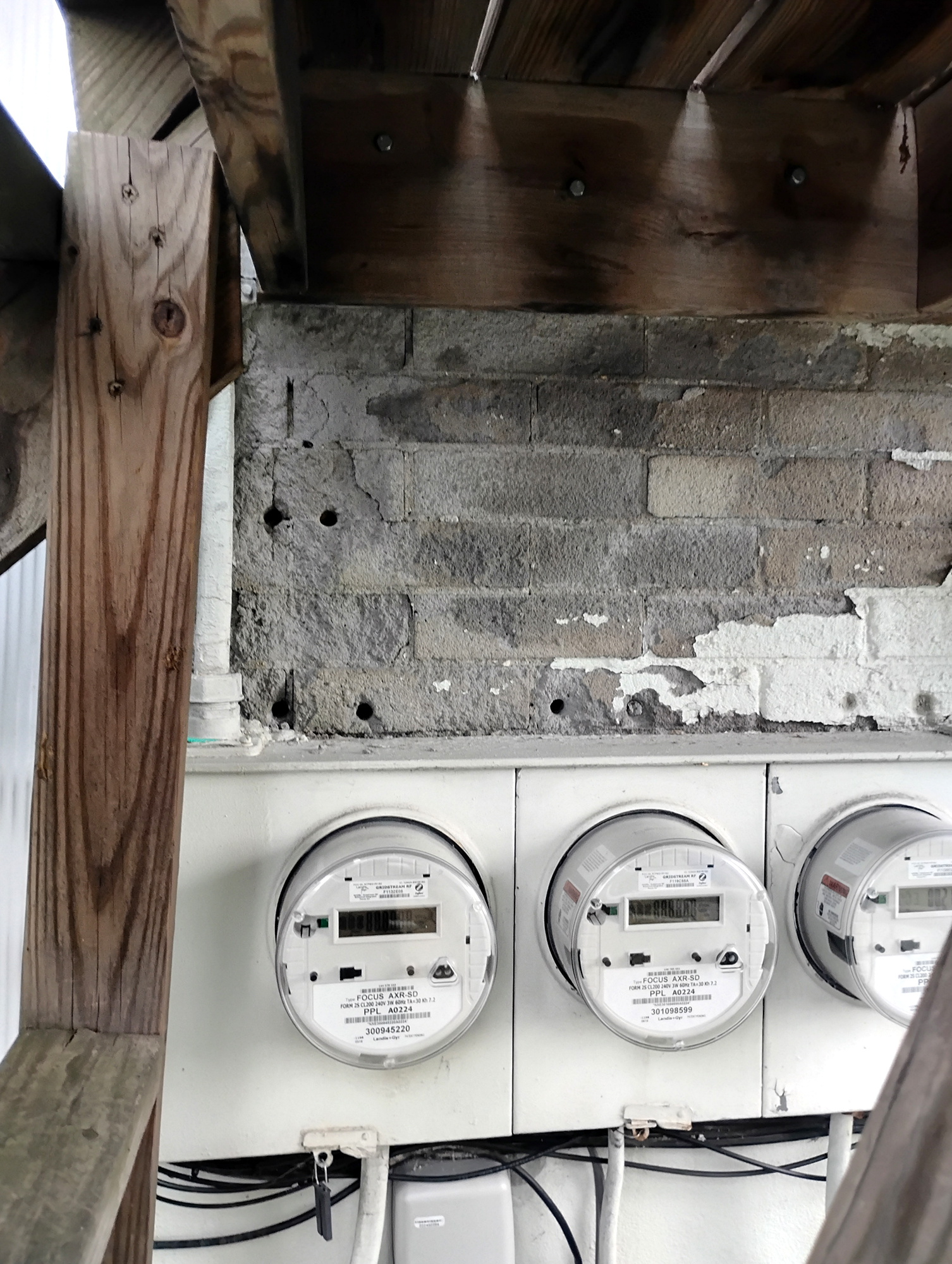
Breakers themselves don’t last forever.
In older NEPA homes, it’s not uncommon to see:
- Breakers that trip more easily due to wear
- Panels that no longer distribute load evenly
- Connections that have loosened slightly over decades
It’s subtle. But over time, these small degradations add up and make the system more sensitive overall.
Where This Usually Leads (Without Overcomplicating It)
Most homes dealing with frequent breaker trips don’t need a complete overhaul all at once. What they need is relief in the right places.
That often means:
- Adding dedicated circuits where demand is highest
- Upgrading panels that are running out of capacity
- Reworking problem circuits that are overloaded or outdated
Sometimes it’s a small adjustment. Sometimes it reveals a bigger limitation.
Either way, the pattern is usually clear once you look at how the home is actually using power.
The Feel of It, Day to Day
You notice it in small ways.
Lights dim slightly when something kicks on. A breaker trips right when you need things running smoothly. Maybe it’s during a cold stretch, or right when the house is most active.
And in a place like Wilkes-Barre, where winters hit hard and homes are expected to carry more load for longer stretches, those small issues don’t stay small forever.
When breakers start tripping more often, it’s not just a nuisance.
It’s the system telling you it’s time to rebalance how power moves through the house—so everything works the way it should, without interruption.