Whole-Home Surge Protection: Is It Worth It for Pennsylvania Homes?
Talk to an ElectricianGet a Free EstimateWhat Is a Whole-Home Surge Protector?
A whole-home surge protector is an electrical safety device designed to limit transient overvoltages, commonly called power surges, entering or occurring within a home’s electrical system.
Unlike a standard power strip with built-in surge protection, a whole-home surge protective device (SPD) is installed at or near the electrical service equipment, typically at the main electrical panel or another approved location.
Its job is to help divert surge current or limit the voltage reaching connected circuits. This reduces the amount of surge energy that may reach appliances, electronics, and other electrical equipment.
Power surges can originate from several sources, including:
- Lightning-related electrical disturbances.
- Utility switching operations and certain power-system faults.
- Electrical equipment inside the home switching on and off.
- Power restoration following an interruption, depending on the circumstances.
A lightning strike does not have to hit your house directly to create electrical disturbances that affect your equipment. Nearby lightning activity can induce surges, while surges can also enter through connected utility or communication lines.
A properly selected and installed whole-home surge protector helps reduce some of these risks by limiting transient voltage at the electrical system’s entry point.
It is important to understand the distinction: a surge protector is designed to manage brief voltage spikes, not prolonged overvoltage, sustained utility problems, or every possible consequence of a direct lightning strike.
Why Surge Protection Matters in Northeastern Pennsylvania
Homes in Northeastern Pennsylvania experience changing weather throughout the year, from summer thunderstorms to winter storms that can interrupt electrical service. These conditions make it sensible for homeowners to consider how their electrical systems and connected equipment are protected.
Storm-related surges are one concern, but they are not the only one.
Modern homes depend on electronic components in equipment that earlier generations of homeowners rarely had to consider. Furnaces, heat pumps, refrigerators, washing machines, garage door openers, security systems, and smart-home devices may all contain sensitive circuit boards.
Even equipment that is not traditionally thought of as an electronic device can contain controls that are vulnerable to electrical disturbances.
For example, a homeowner in Wilkes-Barre might have a smart thermostat connected to an HVAC system, a modern refrigerator with electronic controls, a home office with computers, and a security system that relies on network equipment. A damaging surge could affect several of these devices, depending on how the surge enters the home and how the equipment is connected.
A surge can also travel through telephone, cable, or network connections. Protecting only the electrical supply may not address every pathway into sensitive electronics.
The practical benefit of whole-home surge protection is that it adds a layer of defense for the electrical system as a whole rather than relying entirely on individual plug-in protectors.
How Does Whole-Home Surge Protection Work?
Electrical systems are designed to operate within a normal voltage range. A transient surge creates a brief increase in voltage above that range.
Sensitive electronic components can be damaged when exposed to excessive voltage, even if the event lasts only a short time.
A surge protective device responds to these brief events by limiting the voltage that reaches protected equipment and, depending on its design, directing surge current along an intended path. It does not store electricity for later use or act as a backup power supply.
Most residential surge protective devices use components designed to respond rapidly when voltage rises above a specified level. The device’s effectiveness depends on its design, electrical ratings, installation, grounding and bonding conditions, and the characteristics of the surge.
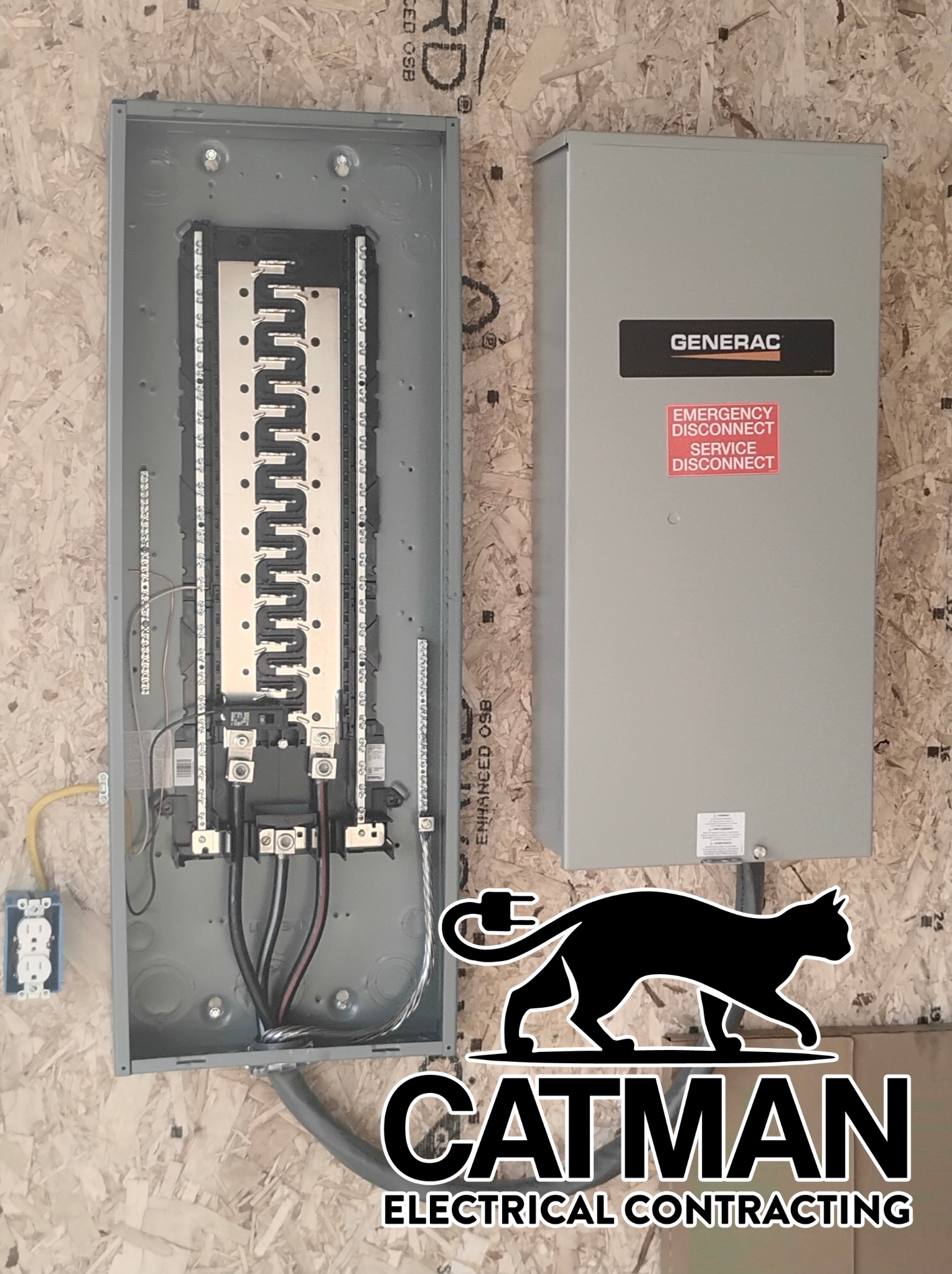
A typical whole-home installation is connected to the electrical system according to the device manufacturer’s instructions and applicable electrical requirements. A qualified electrician evaluates the panel, available connection arrangements, service configuration, and grounding and bonding before installing the device.
Placement matters, too. Short, appropriately routed connections can improve a surge protective device’s performance. An incorrectly installed device may not provide the protection expected from its specifications.
Whole-home surge protection should therefore be treated as part of a properly designed electrical system, not simply another accessory to attach to a panel.
What Appliances and Electronics Can It Help Protect?
One of the biggest advantages of whole-home surge protection is its broad reach across the home’s electrical system.
Depending on the installation and surge pathway, it may help reduce the risk of damage to equipment such as:
- HVAC systems: Modern furnaces, heat pumps, air conditioners, and thermostats often contain sensitive electronic controls.
- Refrigerators and laundry appliances: Many newer models use electronic control boards and digital components.
- Televisions and entertainment systems: Internal power supplies and electronic circuits can be vulnerable to voltage disturbances.
- Computers and networking equipment: Routers, modems, desktops, and related electronics can be affected by surges.
- Smart-home devices: Connected lighting, security systems, smart thermostats, and home automation equipment rely on electronics.
- Garage door openers: Motor controls and electronic components may be susceptible to damaging surges.
- Hardwired equipment: Certain installed systems may benefit from protection that individual plug-in strips cannot provide.
The actual level of protection depends on the device’s capabilities, installation, and how the surge reaches the equipment.
Whole-home surge protection also does not prevent ordinary wear and tear, mechanical breakdowns, or damage caused by other factors. A refrigerator motor failure, for example, may have nothing to do with a power surge.
The goal is risk reduction, not a promise that every appliance will remain undamaged under all circumstances.
What About the Cost of Whole-Home Surge Protection?
The cost of installing a whole-home surge protector varies based on the device selected, the existing electrical panel, the installation location, and the amount of electrical work required.
A straightforward installation at a suitable panel may be less involved than a project requiring panel repairs, additional equipment, or modifications to accommodate the device properly.
Factors that influence the total cost include:
- The surge protective device’s type, ratings, and features.
- Compatibility with the existing electrical service and panel.
- Available space and approved connection arrangements.
- The condition of the panel, grounding, and bonding.
- Labor, testing, and any necessary related electrical repairs.
When comparing estimates, avoid focusing on the device price alone. A properly installed unit with appropriate ratings and a suitable connection is more valuable than a low-cost product that does not match the home’s electrical system.
Ask the electrician which device is being recommended, what it is rated to do, whether it includes a status indicator or replaceable protection components, and how its condition can be monitored after installation.
It is also worth checking the manufacturer’s warranty terms. Some products advertise connected-equipment coverage, but eligibility, exclusions, and claim requirements vary. A warranty should not be treated as a guarantee that every damaged appliance will be reimbursed.
Choosing the Right Surge Protector for Your Home
Not all surge protective devices are identical. A qualified electrician can help select a device appropriate for the home’s service and the level of protection desired.
Several technical characteristics are worth understanding.
Surge current rating
A surge current rating indicates how much surge current a device is designed to withstand under specified test conditions. A higher number can be useful when comparing otherwise similar products, but it does not tell the entire story of real-world performance.
Device construction, voltage protection characteristics, installation quality, and compliance with applicable standards matter as well.
Voltage protection rating
The voltage protection rating, often listed as a voltage protection rating or VPR on applicable products, indicates the voltage level measured under specified test conditions. In general, a lower clamping or protection voltage can indicate that less voltage passes through under those conditions, but ratings must be compared using the appropriate standard and product category.
A single specification should not determine the purchase on its own.
Type of surge protective device
Residential surge protective devices are commonly categorized by where they are intended to be installed within an electrical system. The appropriate type depends on the service configuration, installation location, and applicable electrical requirements.
An electrician can determine whether a device intended for installation at the service equipment or elsewhere in the distribution system is appropriate.
Status indicators and service life
Many surge protective devices include a visual indicator showing whether the protection components remain operational. These indicators are useful, but homeowners should understand what the manufacturer’s specific indicator means.
Surge protective devices can degrade after repeated surge events. If a device signals that protection has failed, it should be evaluated and replaced as directed by the manufacturer.
Compatibility with the electrical panel
The device must be suitable for the panel and electrical system where it will be installed. This includes following the manufacturer’s instructions for breaker or connection requirements, conductor sizing, placement, and grounding and bonding.
Because this work involves the electrical service equipment, installation should be handled by a qualified electrician rather than attempted as a DIY panel project.
Does a Whole-Home Surge Protector Work During a Power Outage?
A whole-home surge protector is not a backup power source. It does not keep lights on, run appliances, or maintain internet service when the utility supply is interrupted.
Its purpose is to limit certain short-duration voltage disturbances, not provide continuous electricity.
Power outages and surges are related in the sense that electrical disturbances can occur around interruptions or restoration, but an outage itself is not a surge. A surge protector cannot replace a generator, battery backup system, or uninterruptible power supply (UPS).
If you need to keep a computer, network connection, medical equipment, or other essential device running during an outage, the appropriate backup solution depends on the equipment and its power requirements. A UPS can provide temporary battery power to compatible equipment, while a properly designed standby generator or battery system may support selected household circuits.
Surge protection and backup power address different problems, and some homes benefit from both.
Protect Your Home Before the Next Surge
Whole-home surge protection is worth considering if you want to reduce the risk of electrical surge damage to the appliances and electronics you rely on every day. For many homeowners in Wilkes-Barre, Scranton, and across Northeastern Pennsylvania, it offers a practical additional layer of protection, particularly when combined with suitable plug-in devices and a well-maintained electrical system.
The key is choosing the right device and making sure it is installed correctly. A surge protector cannot fix unsafe wiring, replace proper grounding and bonding, or guarantee that every connected device will survive a severe electrical event. But when selected and installed as part of a sound electrical system, it can help reduce a risk that is easy to overlook until something stops working.
Catman Electrical Contracting has served the NEPA region for more than 50 years, providing dependable electrical repairs, panel upgrades, surge protection, rewiring, and modern electrical installations.
If you’re considering whole-home surge protection for your Pennsylvania home, contact Catman Electrical Contracting to discuss your electrical system and determine what level of protection makes sense for your property. A clear assessment can help you make a practical decision without unnecessary upgrades or guesswork.