
Why Is My Breaker Panel Making a Buzzing or Humming Sound?
Talk to an ElectricianGet a Free EstimateDon’t Ignore the Noise
A breaker panel isn’t supposed to be loud.
You may occasionally hear a very faint electrical hum from equipment in your home, but a new, noticeable, buzzing, humming, crackling, or vibrating sound coming from the electrical panel deserves attention. The sound can be caused by something relatively minor, such as normal transformer vibration nearby, but it can also indicate a loose connection, overloaded circuit, failing breaker, or electrical arcing.
For homeowners in Wilkes-Barre, Scranton, and across NEPA, this is particularly worth paying attention to in older homes where electrical systems may have been modified, expanded, or repaired over the years.
The important question isn’t simply, “Why is my panel making noise?” It’s what is causing the noise, and is the electrical system operating safely?
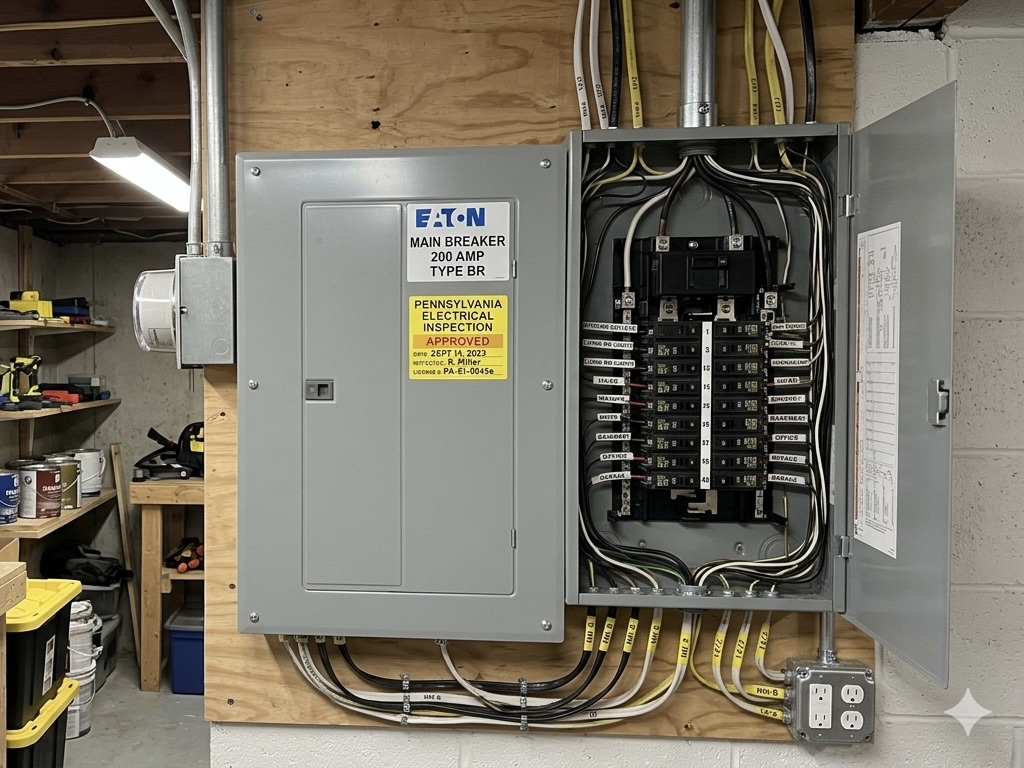
What Does a Buzzing Breaker Panel Mean?
A breaker panel contains bus bars, circuit breakers, wiring connections, and other components that distribute electricity throughout the property.
When current flows through electrical components, electromagnetic forces can produce very small amounts of vibration. A very faint hum can sometimes occur under normal conditions.
A loud, new, intermittent, or worsening noise is different.
It can indicate that electricity isn’t moving through a connection or component as cleanly as it should.
Common causes include:
- A loose electrical connection
- A failing circuit breaker
- An overloaded circuit
- Electrical arcing
- A damaged wire or terminal
- A breaker that isn’t making proper contact with the bus bar
- A high electrical load
- A problem with equipment connected to the circuit
- Deteriorated components in an aging electrical panel
The sound itself doesn’t identify the exact problem. That’s why simply listening to the panel isn’t enough to determine whether it’s safe.
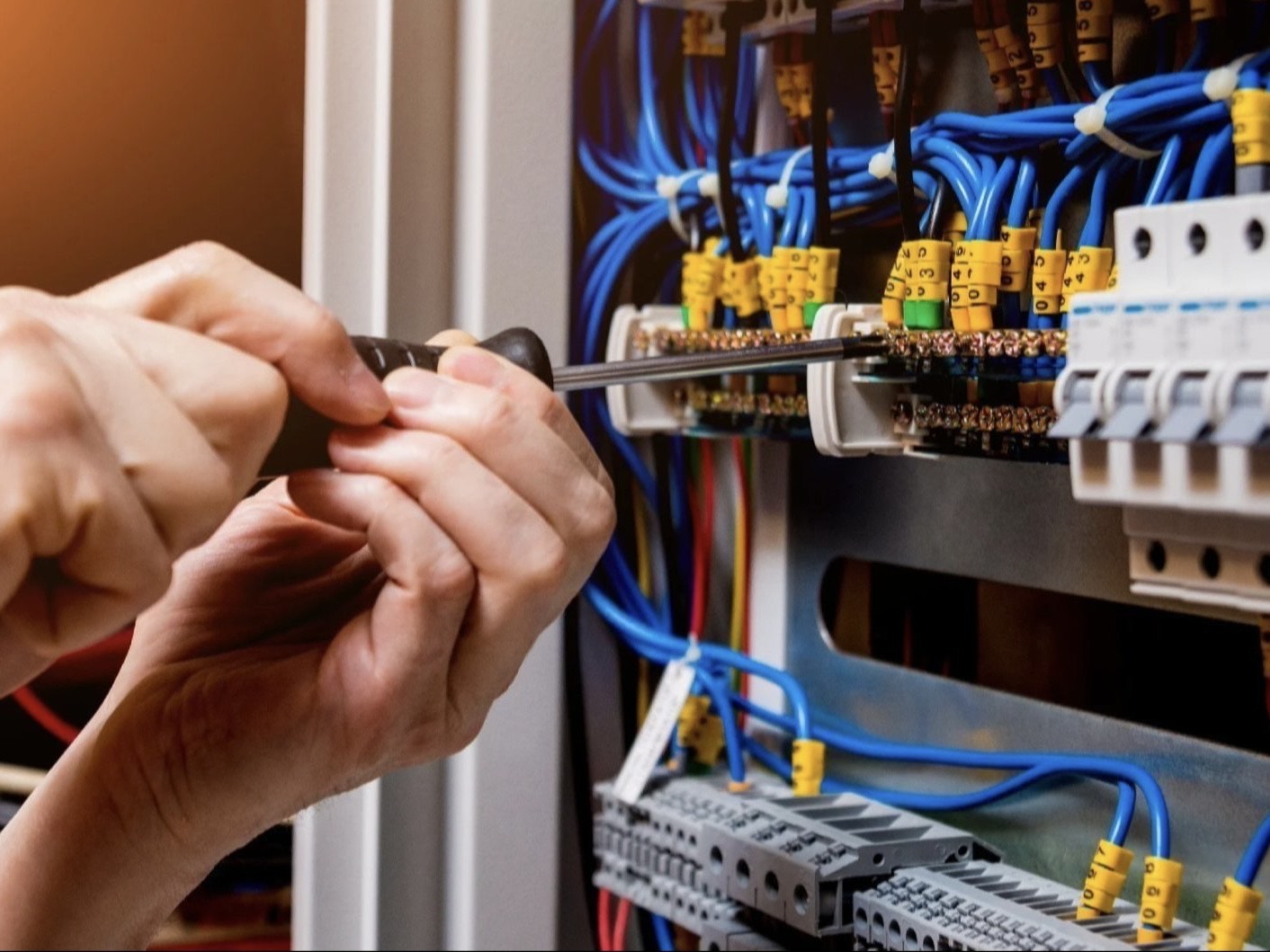
A Loose Connection Can Cause a Buzzing Sound
One of the more important possibilities is a loose electrical connection.
Electrical connections inside a panel are designed to maintain solid, reliable contact. If a terminal connection becomes loose, the resulting electrical behavior can create vibration, heat, or both.
In some situations, the sound may be a steady buzz. In others, it may change when a particular appliance turns on.
That change is useful information for an electrician because it can help identify which circuit or load is associated with the problem.
But homeowners should not remove the panel cover to investigate. Even with the main breaker switched off, parts of an electrical panel can remain energized.
A Failing Breaker Can Hum or Buzz
Circuit breakers are mechanical and electrical devices, and they can eventually wear out.
A breaker that has developed an internal problem may produce unusual noise, especially when the circuit is under load.
You might also notice other symptoms:
- The breaker feels unusually warm
- It trips more often than it used to
- Lights flicker when the circuit is operating
- The breaker won’t reset normally
- There is discoloration around the breaker
- You hear buzzing that changes when appliances operate
A breaker that is repeatedly tripping shouldn’t simply be replaced with a larger breaker. The breaker protects the wiring, so changing its rating without confirming that the conductors and circuit are designed for the higher rating can create a dangerous situation.
Could an Overloaded Circuit Make the Panel Buzz?
Yes, excessive electrical demand can contribute to problems that produce noise.
Every branch circuit has limitations. When a circuit is carrying a heavy load, components and connections experience increased electrical and thermal stress.
This can become especially noticeable when high-demand equipment starts operating.
For example, you might hear a change in the panel when someone turns on:
- An electric range
- A clothes dryer
- An air conditioner
- A heat pump
- A space heater
- A large workshop tool
- An electric water heater
- EV charging equipment
The appliance itself isn’t necessarily the problem. The important question is whether the circuit, breaker, wiring, and connections are appropriately sized and functioning correctly for the load.
Older NEPA Homes Deserve Extra Attention
Many homes throughout the Wilkes-Barre and Scranton area have electrical systems that have evolved over decades.
A house may have started with a relatively simple electrical load. Since then, homeowners may have added central air conditioning, additional kitchen appliances, computers, entertainment systems, electric heating equipment, workshops, hot tubs, or EV charging.
The electrical panel may have been modified along the way.
That doesn’t mean an older panel is automatically unsafe. Age alone isn’t a diagnosis.
However, an unusual buzzing sound can be a reason to evaluate how the current electrical demand interacts with the existing system.
This is particularly relevant in older Pennsylvania housing where previous electrical work may have been completed under different expectations for household power consumption.
Can the Panel Be Buzzing Because of the Main Breaker?
It can.
The main breaker handles a significant portion of the home’s electrical load, so unusual noise originating from that area deserves particular attention.
A problem involving the main breaker or its connections can potentially affect the entire electrical distribution system.
Homeowners should not attempt to tighten, remove, or inspect main-breaker connections themselves. Parts of the panel can remain energized even when individual breakers are switched off.
If the sound appears to originate from the main breaker area, professional evaluation is the safer approach.
Does a Buzzing Panel Mean I Need a New Electrical Panel?
Not necessarily.
A noisy panel does not automatically mean the entire panel needs to be replaced.
The cause could be a single faulty breaker, a loose connection, a circuit problem, or another repairable issue.
On the other hand, if an inspection finds significant deterioration, obsolete equipment, insufficient capacity, repeated failures, or other systemic problems, a panel upgrade may make sense.
The right answer comes from evaluating the condition of the electrical system—not from the sound alone.
The Bottom Line
A breaker panel should not suddenly become a source of noticeable buzzing, humming, crackling, or sizzling.
A faint, consistent hum may sometimes be normal, but a new or worsening electrical noise can signal a loose connection, failing breaker, overloaded circuit, arcing, or another electrical problem.
For homeowners in Wilkes-Barre, Scranton, and throughout NEPA, older electrical systems and modern high-demand appliances can make these warning signs particularly important to investigate.
Don’t panic over a faint hum—but don’t ignore a panel that’s suddenly making noises it never made before.
When electricity starts talking, it’s worth listening.