A Breaker That Trips Is Trying to Tell You Something
Few household annoyances are as frustrating as a circuit breaker that keeps shutting off the power. One minute you’re making coffee, running the vacuum, or working from home, and the next you’re walking to the electrical panel to reset a breaker—again.
While it might seem like an inconvenience, a tripping circuit breaker is usually doing exactly what it was designed to do. Circuit breakers are safety devices that protect your home’s electrical wiring from overheating, overloading, and potential fire hazards. The important question isn’t how to stop the breaker from tripping—it’s why it’s tripping in the first place.
For many homeowners throughout Wilkes-Barre, Scranton, and the surrounding NEPA communities, understanding the cause can help prevent larger electrical problems while keeping the home’s electrical system safe.
What Does a Circuit Breaker Actually Do?
Every electrical circuit in your home is designed to carry a specific amount of electricity. When the electrical current exceeds that safe limit or a dangerous fault develops, the breaker automatically shuts off power to that circuit.
Rather than allowing wires to overheat, melt insulation, or create a fire hazard, the breaker interrupts the flow of electricity almost instantly.
In other words, a tripping breaker is usually a sign that your electrical system is protecting itself—not malfunctioning.
Short Circuits Require Immediate Attention
Not every breaker trip is caused by too much electrical demand.
A short circuit occurs when a hot electrical wire accidentally touches a neutral wire. This creates a sudden surge of electricity that causes the breaker to shut off immediately.
Signs of a possible short circuit include:
- The breaker trips instantly after resetting.
- You notice a burning smell.
- There are scorch marks around an outlet.
- Sparks appear when plugging something in.
- The same breaker trips every time a specific outlet is used.
Short circuits should never be ignored because they can damage wiring and create significant safety hazards.
Aging Breakers Can Wear Out
Circuit breakers are mechanical devices. Like any component that operates for years or even decades, they can eventually wear out.
An aging breaker may:
- Trip more easily than it should
- Fail to stay reset
- Become loose inside the panel
- Show signs of overheating
- Operate inconsistently
Older homes throughout Northeastern Pennsylvania may still have original electrical panels that have been in service for 30 years or more. While age alone doesn’t mean replacement is necessary, worn breakers should be evaluated by a licensed electrician.
Your Home's Electrical Needs May Have Changed
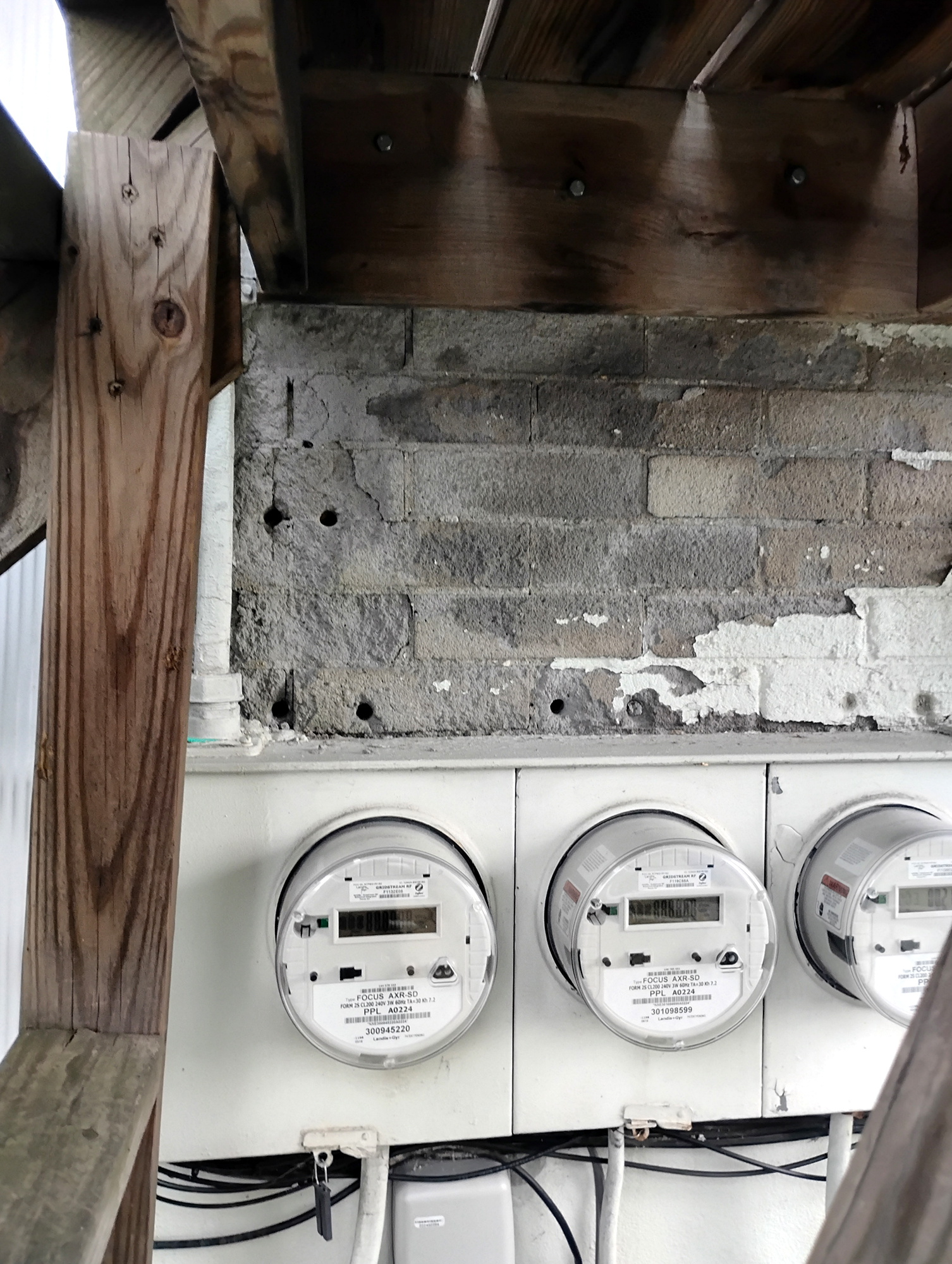
Many homes in the Wilkes-Barre and Scranton area were built long before today’s electrical demands became common.
Think about how much has changed:
|
Then |
Today |
|
One television |
Multiple TVs and streaming devices |
|
Few kitchen appliances |
High-powered modern kitchens |
|
No home office |
Computers, monitors, printers, routers |
|
No EV charging |
Electric vehicle chargers |
|
Limited electronics |
Smart homes with connected devices |
If your electrical panel was designed decades ago, your family’s daily electricity usage may now exceed what certain circuits were intended to handle.
Loose Electrical Connections
Electrical connections naturally expand and contract as they heat and cool over time.
Eventually, some connections can loosen inside outlets, switches, junction boxes, or the electrical panel itself.
Loose wiring increases electrical resistance, which creates heat and may cause:
- Intermittent breaker trips
- Flickering lights
- Buzzing sounds
- Warm outlets
- Burning odors
These symptoms should always be investigated rather than ignored.
When the Electrical Panel May Be Part of the Problem
Sometimes the breaker is simply revealing a larger issue with the electrical panel itself.
If your panel is older, undersized, or showing signs of wear, you may notice:
- Multiple breakers tripping regularly
- Limited room for additional circuits
- Flickering lights throughout the house
- Frequent power interruptions
- Breakers that won’t stay reset
- Visible rust or corrosion
In these situations, the panel may no longer be capable of safely handling your home’s electrical demands.
Don’t Ignore a Breaker That Keeps Tripping
Circuit breakers are designed to protect your home, not inconvenience you. Every time one trips, it’s responding to a condition that could otherwise damage wiring or create a safety risk.
Whether the cause is an overloaded circuit, a failing appliance, loose wiring, a worn breaker, or an outdated electrical panel, repeated trips are a signal that something deserves attention. For homeowners across Wilkes-Barre, Scranton, and the greater NEPA region, identifying the root cause early can prevent more expensive repairs while helping ensure the electrical system remains reliable, efficient, and safe for everyday living.