
Why Your GFCI Keeps Tripping (Especially in Older Bathrooms)
Talk to an ElectricianGet a Free EstimateWhen the Reset Button Becomes Part of Your Morning Routine
You plug in the hair dryer, click the switch, and suddenly the bathroom outlet dies again.
For many homeowners across Wilkes-Barre, Scranton, and the surrounding NEPA communities, recurring GFCI trips are one of those electrical frustrations that start small and gradually become “just part of the house.” People reset the outlet, move on with their day, and assume it’s more annoying than serious.
But when a GFCI repeatedly trips — especially in an older bathroom — it’s usually reacting to something specific.
And most of the time, it’s doing exactly what it was designed to do.
What a GFCI Is Actually Watching For
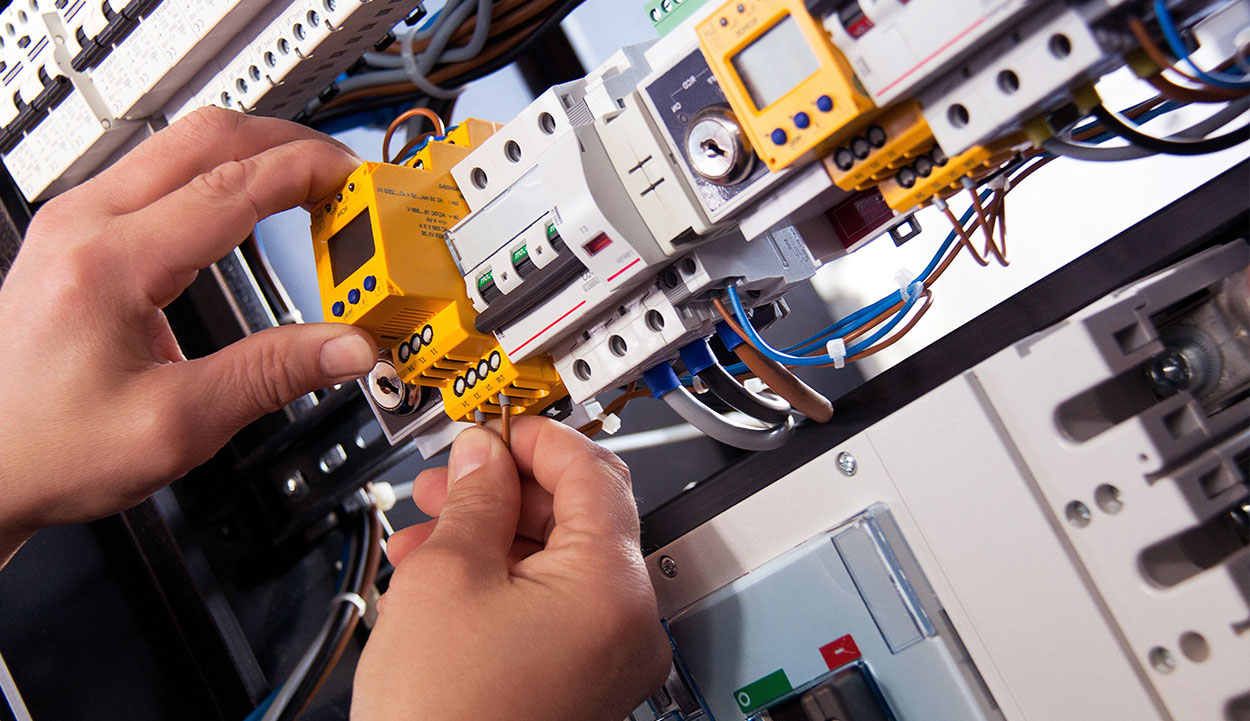
A GFCI (Ground Fault Circuit Interrupter) constantly monitors the flow of electricity moving through a circuit.
Under normal conditions, the outgoing and returning electrical current stay balanced. If even a tiny amount of electricity begins escaping somewhere it shouldn’t — potentially through water, damaged wiring, or a person — the GFCI cuts power almost instantly.
That fast shutdown is what helps prevent electrical shock in areas where moisture is common.
Bathrooms are one of the biggest examples.
Older Bathrooms Create the Perfect Conditions for Tripping Issues
A lot of NEPA homes were built long before modern bathroom electrical standards existed. In older sections of Kingston, Pittston, Scranton, and Wilkes-Barre, it’s common to find bathrooms that were upgraded gradually over decades instead of fully rewired all at once.
That creates layered electrical systems where:
- newer GFCIs connect to older wiring
- multiple bathrooms share one circuit
- outlets were added during renovations
- moisture protection standards changed over time
The result is a setup where the GFCI may technically function correctly while still tripping constantly because the surrounding electrical system has weaknesses.
A Problem We See Fairly Often in Older Homes
One issue that comes up frequently in older NEPA houses is “daisy-chained” bathroom wiring.
Years ago, electricians and homeowners often connected multiple outlets, lights, or even nearby rooms onto a single bathroom GFCI circuit. Modern code standards are much stricter, but many older layouts still exist behind the walls.
So when one GFCI trips, homeowners may suddenly lose:
- another bathroom outlet
- basement receptacles
- garage outlets
- exterior receptacles
- nearby bedroom outlets
That confusion leads many people to replace the GFCI repeatedly without addressing the actual circuit problem.
Sometimes the Bathroom Isn’t the Real Problem
This is where troubleshooting gets tricky.
In many homes, the bathroom GFCI protects additional outlets farther downstream. The actual fault may exist:
- in a garage receptacle
- near an exterior outlet
- behind a basement freezer
- at a damp outdoor connection
We’ve seen situations where homeowners focused entirely on the bathroom for weeks before discovering the real issue was a moisture-damaged outdoor receptacle near the back patio.
That’s one reason recurring GFCI trips often require a broader circuit evaluation instead of isolated outlet replacement.
Winter Humidity and Bathroom Ventilation Matter More Than People Think
NEPA winters create an interesting combination inside bathrooms.
Cold exterior temperatures plus long hot showers generate heavy condensation, especially in older homes with limited ventilation. Over time, that moisture can affect outlet boxes, exhaust fan wiring, and older connections hidden inside walls.
In homes near the Susquehanna River valley where humidity tends to linger seasonally, we sometimes see bathroom electrical issues become more noticeable during late winter and early spring thaw periods.
It’s subtle, but environmental conditions absolutely influence electrical performance over time.
The Bottom Line
A GFCI that trips occasionally may simply be doing its job. But a bathroom outlet that trips repeatedly, resets inconsistently, or reacts to normal appliance use usually points toward an underlying electrical issue worth investigating.
In older homes throughout Wilkes-Barre, Scranton, and the surrounding NEPA region, bathroom electrical systems often sit at the intersection of aging wiring, modern appliance demand, and constant moisture exposure.
That combination creates the perfect conditions for recurring GFCI problems.
And while the reset button may temporarily restore power, the repeated trip itself is often the real message worth paying attention to.