
The Scranton Environment Adds Another Layer
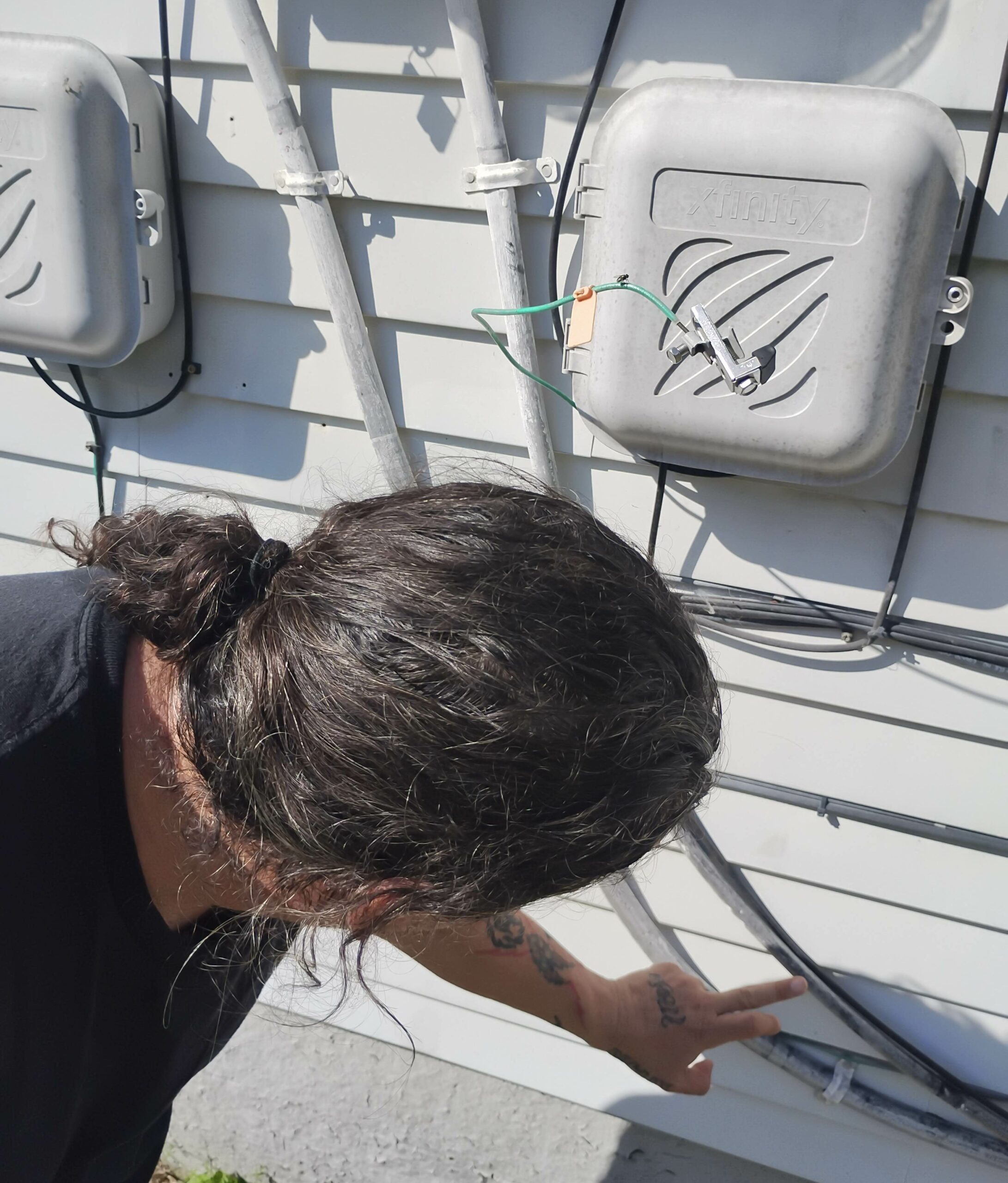
Grounding becomes even more important when you factor in local conditions.
After a stretch of rain near Nay Aug Park or during spring thaw, moisture levels in basements can rise—even without visible water.
Moisture lowers electrical resistance in unintended areas. That means stray current has more potential paths to travel.
If there’s no proper grounding system in place, that current doesn’t just disappear.
It looks for somewhere else to go.
What’s Actually Happening When the Lights Dim
At the simplest level, your electrical system is responding to a sudden increase in demand.
When a large appliance turns on, it draws what electricians call a startup surge. That surge briefly pulls extra power through the same system your lights are using.
So what you see is:
- Appliance turns on
- Power demand spikes instantly
- Voltage drops for a moment
- Lights respond first because they’re sensitive to that drop
It usually stabilizes within seconds.
But the important detail isn’t the momentary dip—it’s how often it happens, and how much the system struggles to recover.
Why It’s More Noticeable in NEPA Homes
Homes in Northeastern Pennsylvania tend to share a few common electrical traits:
- Older wiring layouts that group multiple loads on shared circuits
- Add-ons and renovations done over time (not always fully rebalanced electrically)
- Basements, kitchens, and living spaces tied into legacy panels
In neighborhoods around Scranton’s Green Ridge or older sections of Wilkes-Barre near Hazle Street, it’s not uncommon for lighting circuits and appliance circuits to still overlap in ways modern homes don’t.
That’s where dimming becomes more visible—not because something is “wrong,” but because the system is being asked to do more than it was originally designed for.
When Dimming Is Normal vs When It’s Not
Not every flicker deserves concern. In fact, some level of dimming is expected in many homes.
Typically Normal Behavior
- Brief dip when a large appliance starts
- Lights immediately return to normal brightness
- Happens occasionally, not repeatedly
When It Starts to Signal Strain
- Dimming is strong or visually obvious
- Happens across multiple rooms at once
- Occurs frequently throughout the day
- Paired with breaker trips or buzzing sounds
The difference is consistency. One moment is a reaction. Repetition becomes a pattern worth checking.
The Hidden Electrical Reality Behind the Flicker
Technical Insight: Voltage Drop and Circuit Load
When a high-demand appliance starts, it creates an inrush current that can be several times higher than its normal operating load. This momentary spike causes a voltage drop across the shared circuit path.
Because lighting circuits are often more sensitive to voltage fluctuation than motors or appliances, they respond first—visibly dimming even if the drop is brief.
In homes with longer wire runs (common in rural edges of Lackawanna County or hillside properties toward the Poconos), resistance in the wiring can amplify this effect slightly, making the dimming more noticeable.
The Appliances Most Likely to Cause It
Not all devices behave the same when they turn on.
The most common culprits are:
- Refrigerators (compressor startup surge)
- Microwaves
- Space heaters
- Window or central AC units
- Vacuum cleaners
These don’t just use power—they ask for it suddenly, which is what causes the brief imbalance.
Why You Notice It More at Certain Times of Day
There’s a simple reason dimming feels more dramatic at night in homes around places like Mountain Top or Clarks Summit.
During evening hours:
- Fewer appliances are running
- Lighting is the primary load
- Visual contrast is higher
So even a small voltage dip becomes more noticeable to the eye.
It’s not that the issue is worse—it just has more visibility.
A Local Reality Most Homeowners Don’t Think About
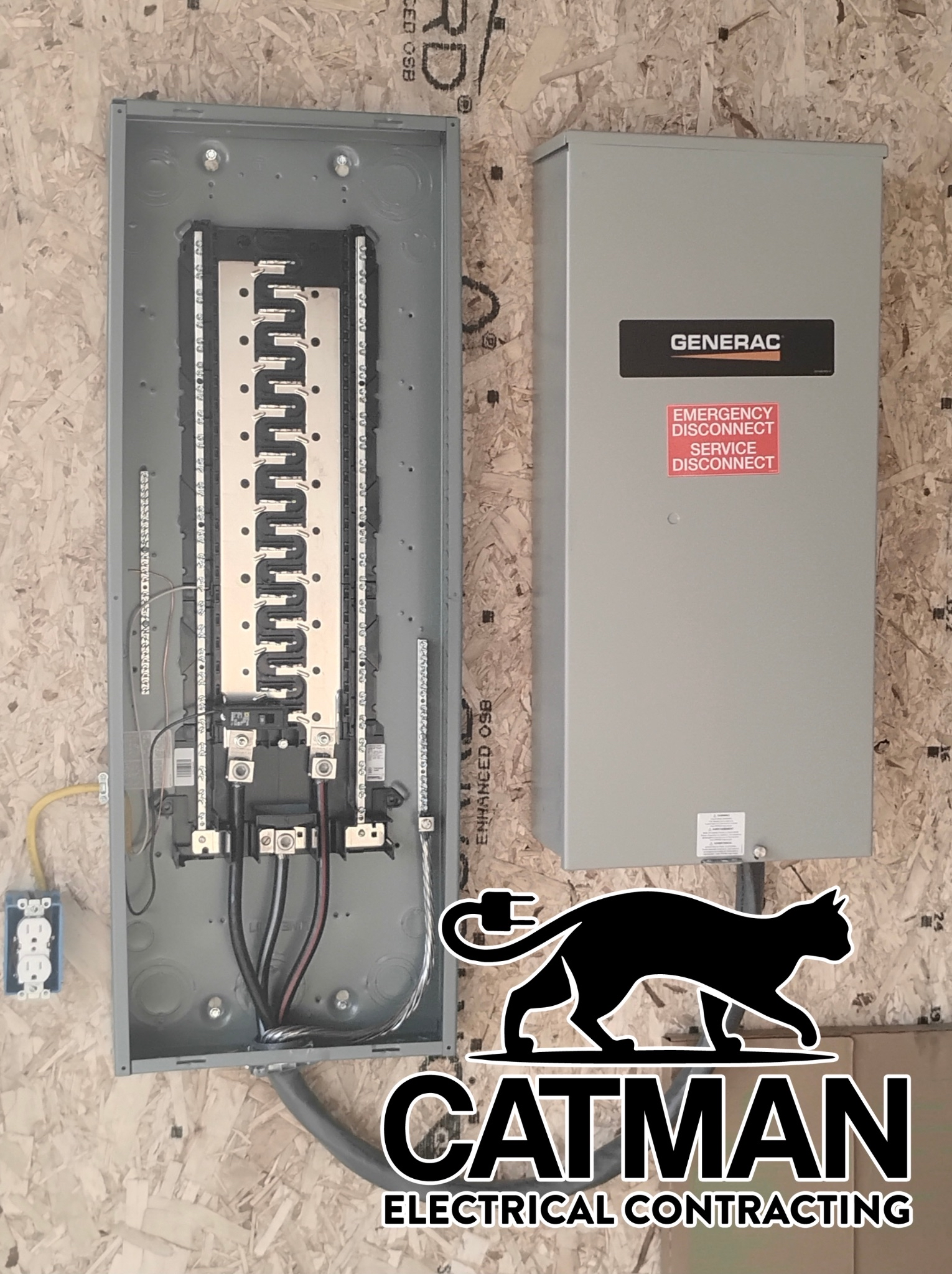
NEPA homes evolve slowly. Kitchens get updated. Basements get finished. HVAC systems get replaced.
But electrical systems don’t always evolve at the same pace.
So you end up with:
- Modern appliances on older wiring
- Increased load without panel expansion
- Mixed-era electrical upgrades
That mismatch is often what shows up first as something simple—like lights dimming when something turns on.
What This Usually Means Over Time
Light dimming on its own doesn’t automatically mean something is failing. But it does tell a story about how your home is balancing electrical demand.
In many NEPA homes, especially those with decades of layered upgrades, it’s often one of the earliest signs that the system is being asked to carry more than it was originally designed for.
And like most early signals, it’s far easier to understand—and address—before it becomes something more disruptive.